

 RUSAGARA MUVUNANKIKO Valens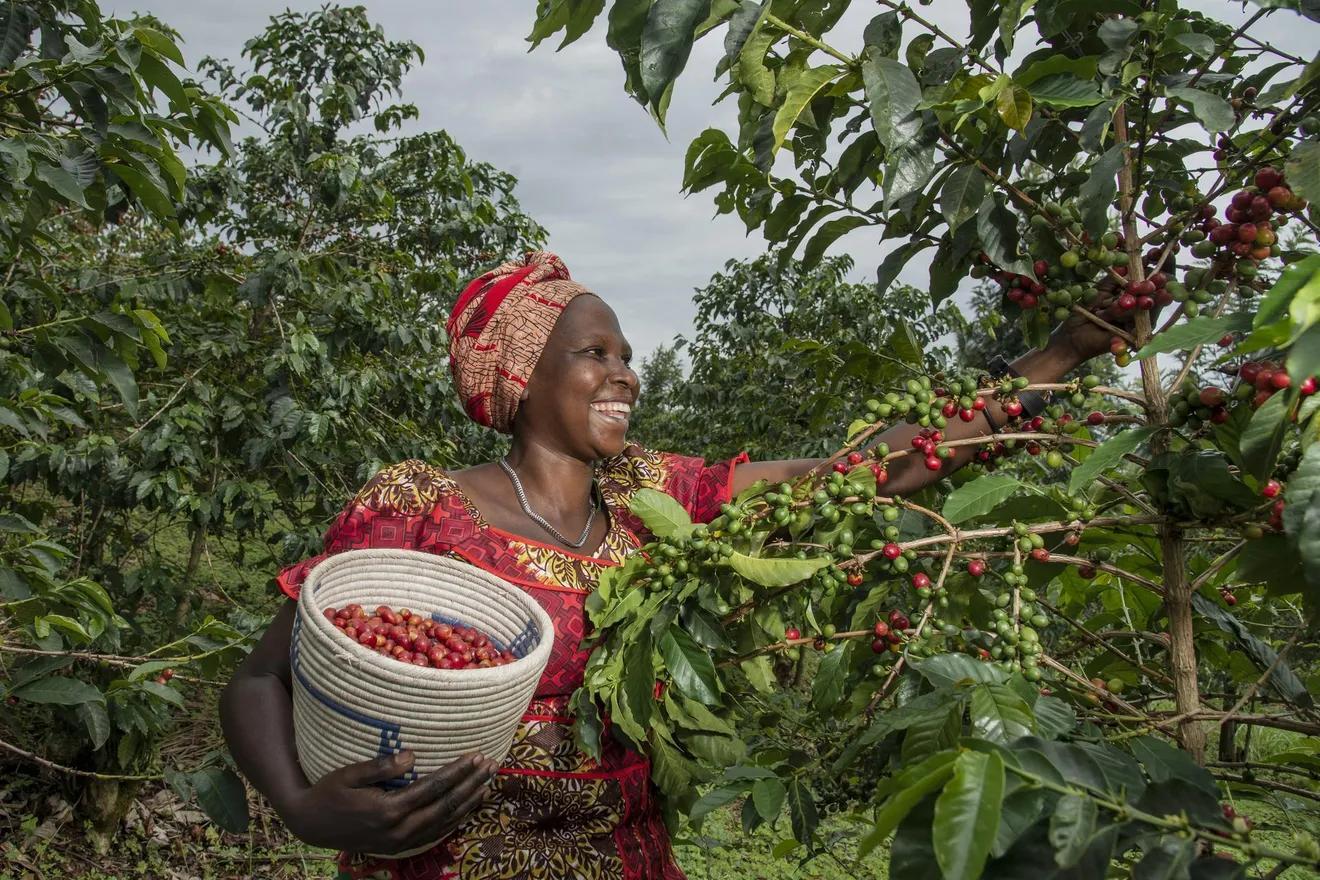
Rwanda’s economy continued its strong growth in the second quarter of 2026, according to new data from the National Institute of Statistics of Rwanda (NISR). The country’s Gross Domestic Product (GDP) reached 7,174 billion Rwandan francs, up from 5,799 billion francs during the same period last year.
When adjusted for price changes, the economy grew by 9.4% compared to the same quarter in 2025. This marks another quarter of solid expansion, continuing a growth trend seen throughout the year.
The industry sector led the way, growing by 18% and contributing nearly 4 percentage points to overall growth. Within industry, mining and quarrying jumped by 26%, while construction activities rose by 24%. Manufacturing also performed well, growing 10%, driven largely by a 51% surge in the production of metal products, machinery, and equipment.
The services sector, which makes up more than half of Rwanda’s economy, grew by 7%. Information and communication services stood out with 29% growth, while wholesale and retail trade rose 18%. However, not all services thrived health services dropped sharply by 39%, and public administration services fell by 3%.
Agriculture grew more modestly at 4%. Fishing was a bright spot, increasing by 66%, and food crop production rose 5%. But export crops struggled, falling by 20% compared to the previous year.
On the spending side, households drove much of the growth, with consumption expenditure rising 13%. Rwanda’s trade gap widened, as imports grew by 36%, far outpacing export growth of 19%. Investment activity was also strong, with gross capital formation increasing by 32%.
Looking at the bigger picture, services still make up the largest share of the economy at 51%, followed by industry at 23% and agriculture at 21%. Rwanda’s population reached 14.3 million in the quarter, and GDP per person stood at about 501,000 Rwandan francs, or roughly 343 US dollars.
Overall, the report paints a picture of an economy expanding quickly, powered by construction, mining, and manufacturing, even as certain service sectors like healthcare saw notable declines.