
 RUSAGARA MUVUNANKIKO Valens

The cost of living in Rwanda continued to rise sharply in August 2026, with national inflation reaching 15.9% year-on-year, according to the latest Consumer Price Index (CPI) released by the National Institute of Statistics of Rwanda (NISR). Prices also increased by 2.6% compared with July 2026, showing that the pressure on household budgets is not easing.
The increase is being felt across some of the basic areas of household spending. In urban areas, where NISR’s headline CPI is used for monetary policy purposes, inflation stood at 15.7% compared with August 2025. Food and non-alcoholic beverages rose by 16.3%, while housing, water, electricity, gas and other fuels increased by 20.4%. Transport prices were also up by 24.2%, making movement another major source of pressure for consumers.
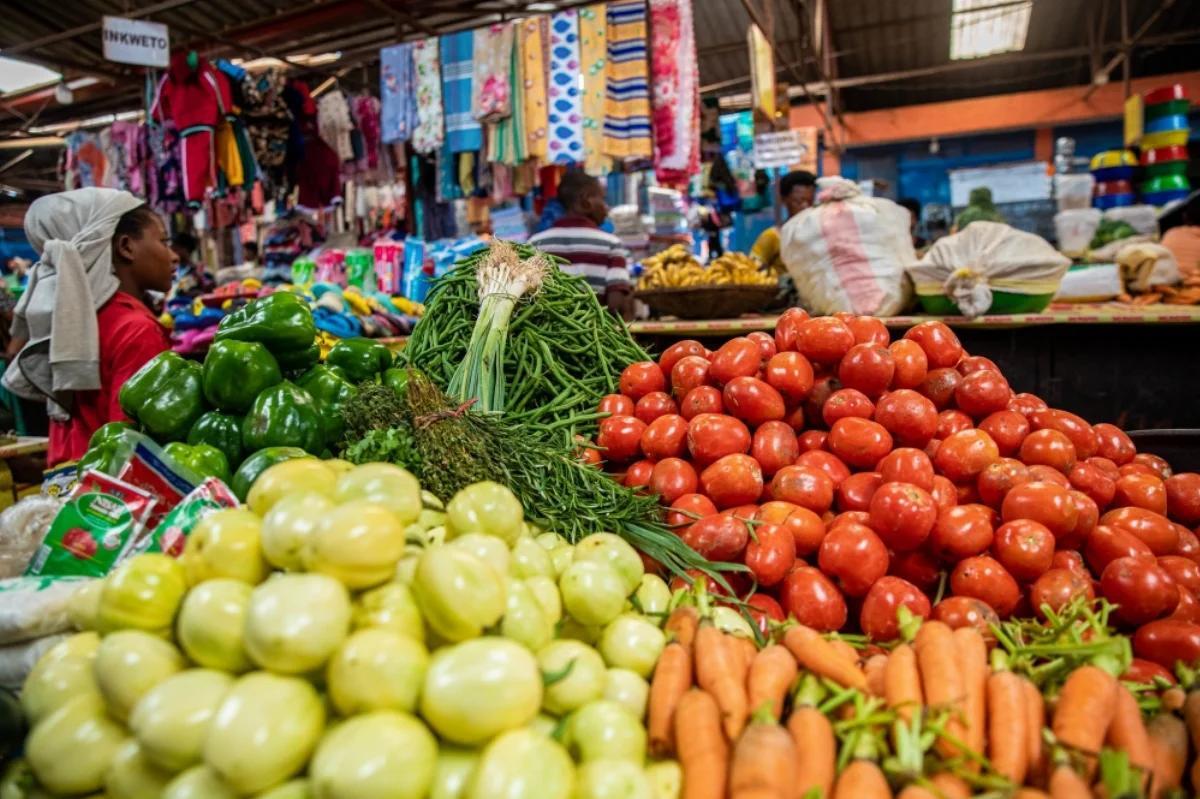
For many households, the food basket is particularly important. Vegetables recorded a 24.7% annual increase in urban areas, while meat prices jumped by 36.7%. Food and non-alcoholic beverages alone carry a 27% weight in the urban CPI, meaning changes in this category have a significant impact on the overall cost of living.
The situation was not limited to food. The data show that energy prices recorded the sharpest annual increase among the selected urban indices, rising by 45.4%. Fresh products increased by 20.9%, while locally produced goods rose by 17.4%. Imported goods recorded a comparatively lower increase of 10.8%.
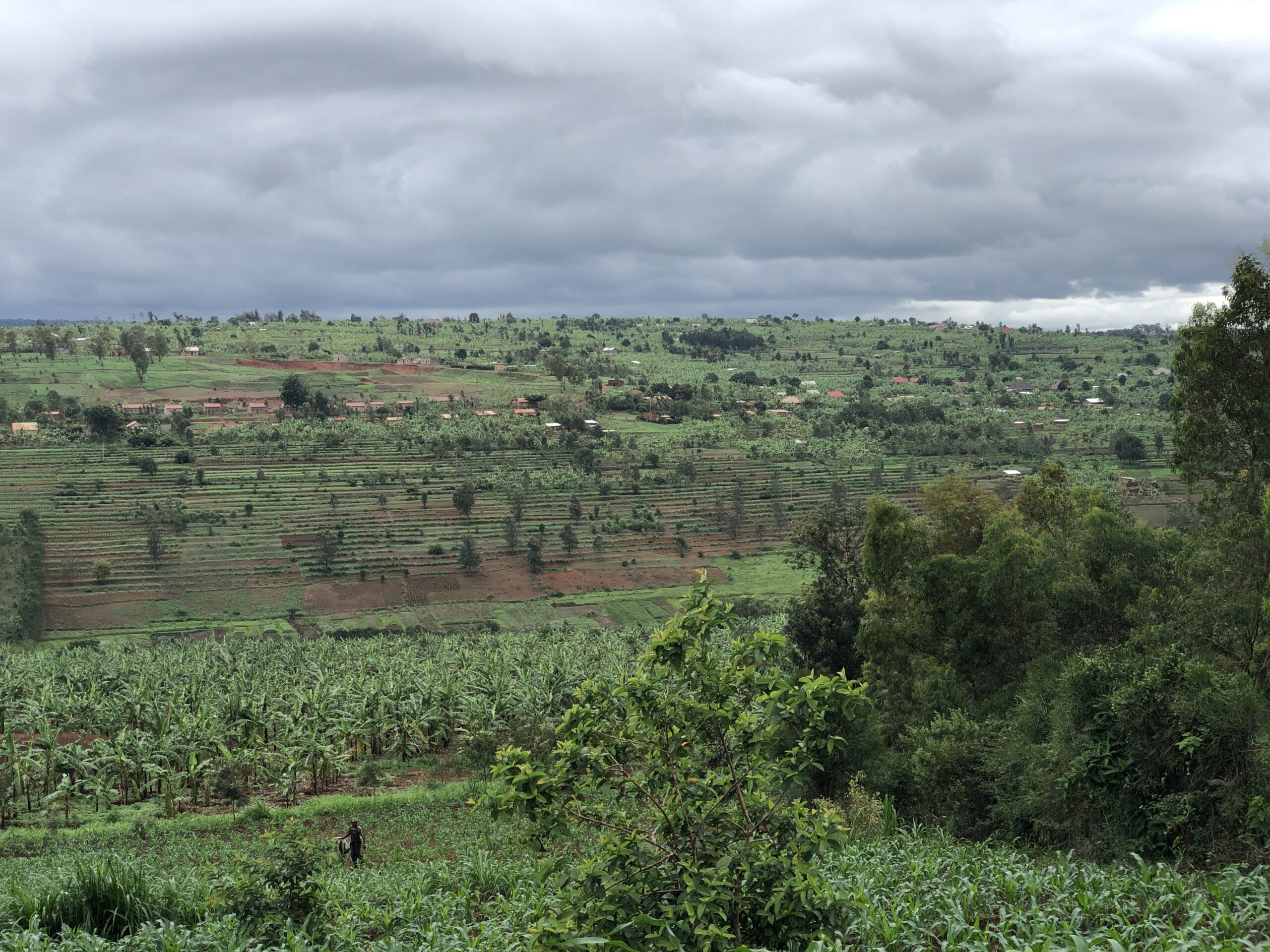
Rural households also faced significant price increases. Rural CPI rose by 16% over the year and by 3.1% in a single month. Food and non-alcoholic beverages increased by 16.8%, while vegetables rose by 22%. Transport prices in rural areas increased by 38.8% year-on-year.
Looking at Rwanda as a whole, food and non-alcoholic beverages increased by 16.7%, while housing, water, electricity, gas and other fuels rose by 19.9%. Transport increased by 27.5%, and meat prices were 32.5% higher than a year earlier.
The latest figures also suggest that inflationary pressure is not simply a one-month development. NISR reports an annual average inflation rate of 10.6% between August 2025 and August 2026. Underlying inflation, which excludes fresh food and energy to provide a clearer picture of the broader price trend, stood at 11.5% year-on-year in August.
The August CPI is based on a basket of 1,622 products monitored across Rwanda. NISR collects more than 29,482 prices in urban areas and 10,744 in rural areas every month, covering places such as shops, markets, hospitals and schools.
With inflation now at 15.9% nationally, the latest data point to a clear challenge for households: keeping up with everyday expenses as the prices of food, transport, housing-related costs and other essential services continue to rise.