
 RUSAGARA MUVUNANKIKO Valens

First Lady Jeannette Kagame joined more than 2,000 young people attending the 2026 “Igihango cy’Urungano” Youth Forum at Intare Conference Arena in Kigali, where discussions focused on fighting genocide ideology and strengthening national unity and resilience during the 32nd commemoration of the 1994 Genocide against the Tutsi.
Held under the theme “Youth, Let Us Fight Genocide Ideology and Promote Unity and Resilience,” the forum brought together young people from different backgrounds to reflect on their role in protecting Rwanda’s future and preserving the history of the Genocide against the Tutsi. Organizers said the gathering also served as a moment to remember young people who were killed during the genocide and denied the chance to fulfill their dreams.
Addressing participants, Jeannette Kagame told the youth that they have a responsibility to protect the unity of Rwandans and safeguard the progress the country has achieved since the 1994 Genocide against the Tutsi. She encouraged them to continue building Rwanda based on values of unity and resilience.
She asked: “How can those who still see themselves through the lens of ethnic divisions move away from destructive thinking? What vaccine can help protect young people like you from genocide ideology and prevent it from reaching you?”
Jeannette Kagame said that after the Genocide against the Tutsi, the FPR-Inkotanyi chose the path of rebuilding the country and restoring unity among Rwandans, something many people at the time considered impossible. She reminded the youth that Rwanda belongs to all Rwandans and should be viewed as one united family.
She said: “You are the generation that knows a beautiful Rwanda they never had the chance to see. How can anyone convince you that all these achievements are lies?”
The First Lady also praised the courage of those who sacrificed their lives to liberate the country, saying their example should inspire young people to love and protect their nation.
During the forum, the Minister of National Unity and Civic Engagement, Dr. Jean Damascène Bizimana, explained to participants how the Genocide against the Tutsi was systematically planned and executed. He used the session to educate young people about Rwanda’s history and the roots of genocide ideology.
He said: “The process always begins by creating a mindset that convinces one group of people that another group threatens their existence. Then a division is created between those marked to die and those prepared to kill. That is what genocide ideology is.”
Dr. Bizimana explained that the roots of the genocide date back decades before 1994, saying that from 1957, policies of hatred targeting Tutsi were introduced and narratives denying their Rwandan identity were spread.
He stated: “Based on that ideology, people were taught that Tutsi were enemies and that Hutu had to unite and reclaim the country from them. That is the origin of the 1994 Genocide against the Tutsi. Its beginnings are not in 1994, but in those earlier historical events.”
The minister also pointed to the role played by the former Parmehutu party in spreading ethnic division and hatred. He recalled a statement made by its leader, Grégoire Kayibanda, on November 27, 1959, claiming that Rwanda was made up of “two countries” whose people had nothing in common.
Dr. Bizimana said the genocide was planned over a long period and that the international community was aware of warning signs but failed to act to prevent it. He added that after the genocide, the International Criminal Tribunal for Rwanda confirmed that there had been a coordinated plan to exterminate Tutsi in Rwanda.
He said: “All international institutions responsible for monitoring genocide were aware that genocide was being prepared in Rwanda, but there was a failure to prevent it.”
The “Igihango cy’Urungano” Youth Forum continues to serve as a platform for educating young people about the history of the Genocide against the Tutsi while encouraging them to fight genocide ideology and uphold the values of unity, resilience, and patriotism in Rwanda.
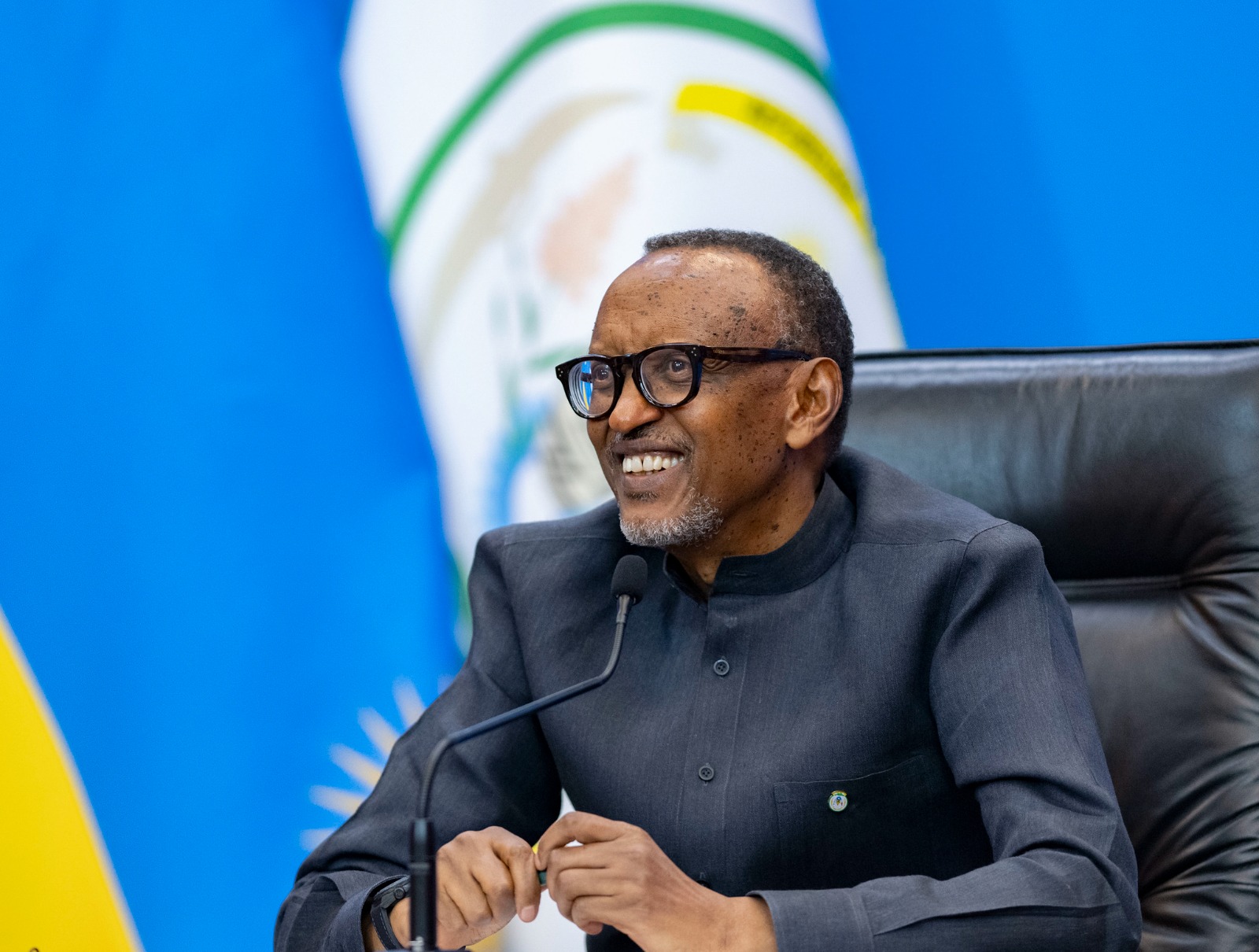
 First Lady Jeannette Kagame addresses over 2,000 youth on fighting genocide ideology and promoting unity.
 Dr. Jean Damascène Bizimana speaks on the history and dangers of genocide ideology during the youth forum.
 Youths attend the 2026 “Igihango cy’Urungano” Forum at Intare Conference Arena in Kigali during the 32nd commemoration of the Genocide against the Tutsi.