
 RUSAGARA MUVUNANKIKO Valens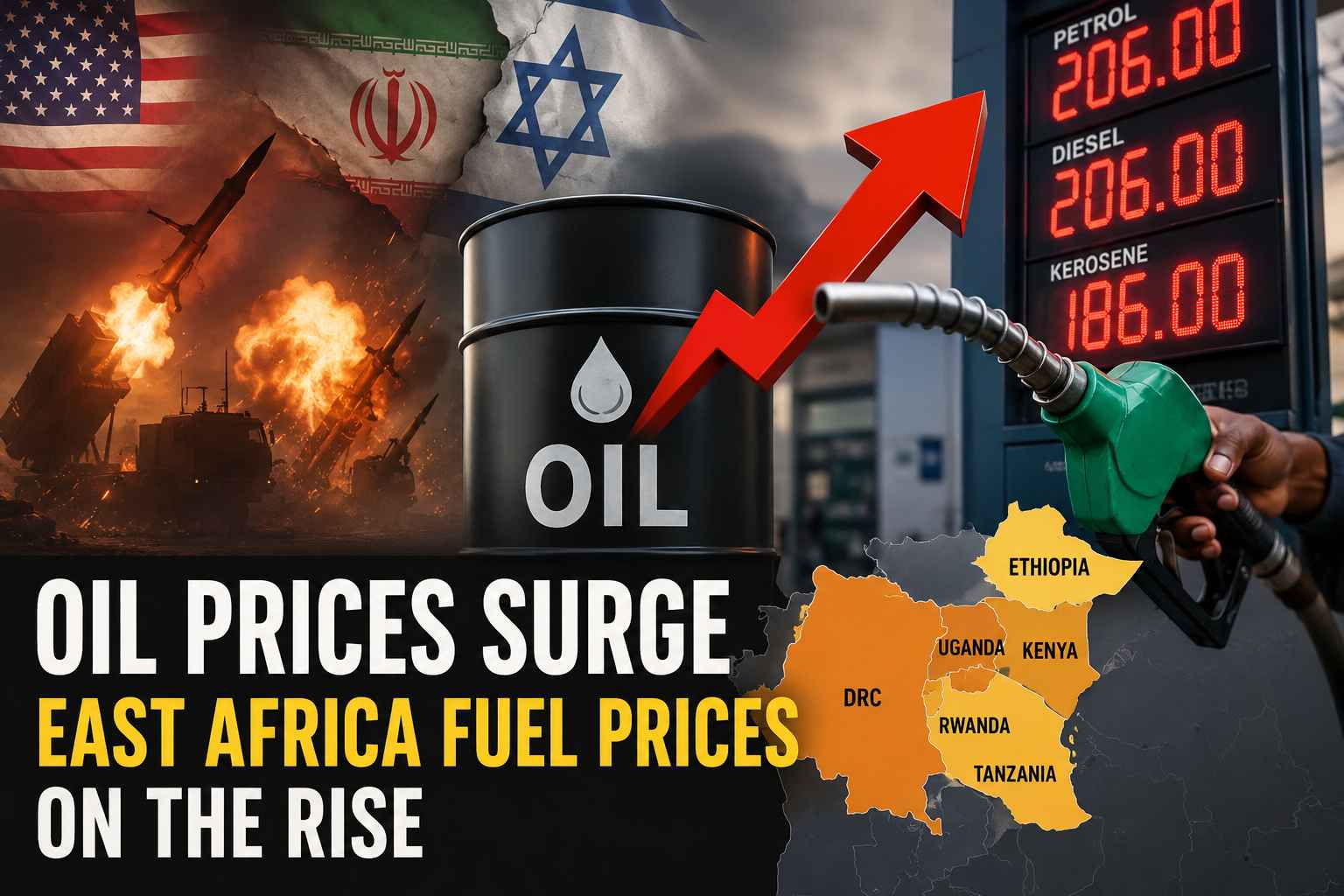
Global oil markets have reacted sharply after renewed geopolitical tensions involving the United States, Israel, and Iran escalated, pushing crude oil prices above the $100 per barrel mark.
The surge followed comments by former US President Donald Trump rejecting Iran’s proposal to end the conflict, describing it as “totally unacceptable,” a move that further unsettled markets already strained by the ongoing war dynamics in the Middle East.
Brent crude rose by more than 4% in early Asian trading, reaching around $105.50 per barrel, while US West Texas Intermediate climbed to nearly $99.80. Analysts link the spike largely to fears over disruptions in the Strait of Hormuz, a critical global shipping route through which about a fifth of the world’s oil supply passes. The waterway has reportedly been severely disrupted since the outbreak of conflict, raising concerns over global supply shortages and higher energy costs worldwide.
The impact of these global developments is now being felt across East Africa, where fuel prices remain heavily tied to international oil markets. In Kenya, petrol prices remain among the highest in the region at around 206 Kenyan shillings per litre, driven further upward by taxation and market pressure. Rwanda records prices ranging between 1,990 and 2,300 Rwandan francs per litre, while Uganda stands at approximately 6,500 to 7,000 Ugandan shillings per litre. Tanzania maintains mid-range prices at about 3,000 to 3,200 Tanzanian shillings per litre, reflecting a relatively stable but still sensitive fuel market.
The Democratic Republic of Congo (DRC) presents a more complex situation. Nationally, fuel prices average between 2,400 and 2,640 Congolese francs per litre (around 1.05 to 1.14 US dollars). However, in the eastern part of the country, prices rise significantly, at times reaching between 4,000 and 5,600 Congolese francs per litre. This sharp increase is largely attributed to insecurity, transport disruptions, and supply chain challenges, which make fuel distribution more expensive and unpredictable in conflict-affected zones.
Ethiopia remains the exception in the region, with fuel prices still the lowest, ranging between 70 and 80 Ethiopian birr per litre for petrol. This is mainly due to strong government control and subsidy mechanisms that help shield domestic consumers from global price shocks.
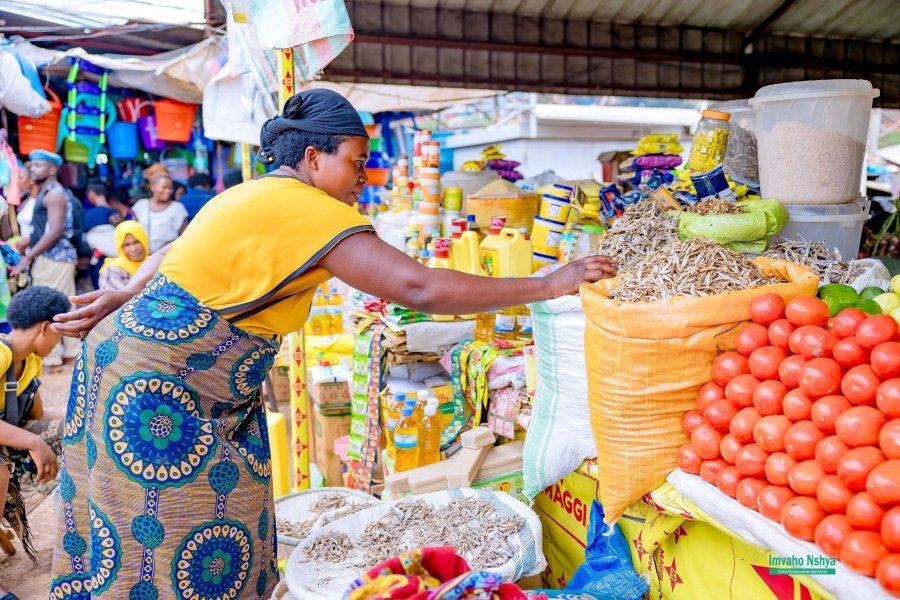
Overall, the latest surge in global oil prices has reinforced existing disparities across East Africa’s fuel markets. While Kenya remains the most expensive, Rwanda, Uganda, Tanzania, and parts of DRC continue to feel the pressure of rising costs. Meanwhile, eastern DRC stands out as a hotspot of volatility, where insecurity compounds global price shocks, making fuel significantly more expensive than in other parts of the region.


 Ivan Damascene Iradukunda