

 Daniel Ngendahimana
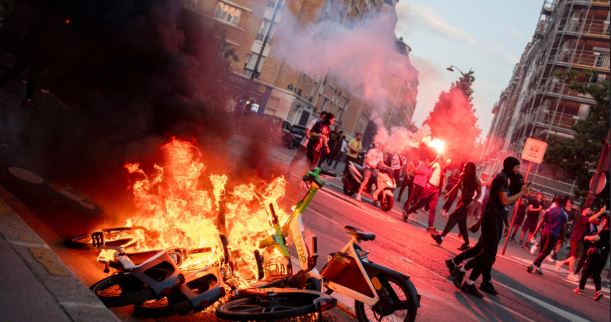
France faced a new wave of unrest on Saturday, starting on 17 October, as demonstrations over rising living costs, fuel prices and strained public services escalated into clashes, looting and fires in several cities. President Emmanuel Macron urged calm and condemned violence, while insisting that peaceful protest and criminal destruction must be treated differently.
The demonstrations drew hundreds of thousands of people nationwide. France’s Interior Ministry was reported to have put participation at about 550,000, while some organizers estimated a higher turnout.
Authorities reported thousands of arrests in the aftermath, although figures varied across early reports. Police used tear gas and other crowd-control measures as confrontations spread in places including Paris and Marseille.
The protests reportedly began with students raising concerns about teacher shortages and deteriorating school conditions. They then widened into a broader expression of frustration over household costs, wages and public services.
The grievances have drawn students, workers and trade-union supporters into the streets, though the violence and destruction have divided opinion over how the movement should proceed.
“We all feel anger and shame,” Macron said in the account carried in the original report, condemning the disorder while recognizing the right to protest peacefully.
The government has emphasized accountability for those who attacked people or damaged property. Protesters and opposition figures, meanwhile, have argued that the authorities must address the underlying economic and social pressures, not only restore order.
The unrest echoes earlier moments in modern French history. In May 1968, student protests expanded into a nationwide workers’ strike; negotiations known as the Grenelle agreements included a major minimum-wage increase.
In 2005, riots following the deaths of two teenagers in Clichy-sous-Bois exposed deep tensions over policing, discrimination and exclusion in disadvantaged suburbs.
In 2018, the Yellow Vest movement began over fuel-tax plans but grew into a wider revolt over purchasing power and political representation; the government ultimately cancelled the planned tax increase. In 2023, mass demonstrations against raising the retirement age from 62 to 64 again brought millions into the streets.
These episodes show that France’s street protests often begin with a specific grievance before becoming a wider challenge over fairness, representation and trust in government. Security measures may contain immediate violence, but history suggests that negotiations and credible policy responses also matter.
The central question for Macron’s government is whether it can protect public safety while responding meaningfully to concerns about living costs, schools and public services.

 Sugira Nsabimana Aime Christian