
 Ibyimana Cofi
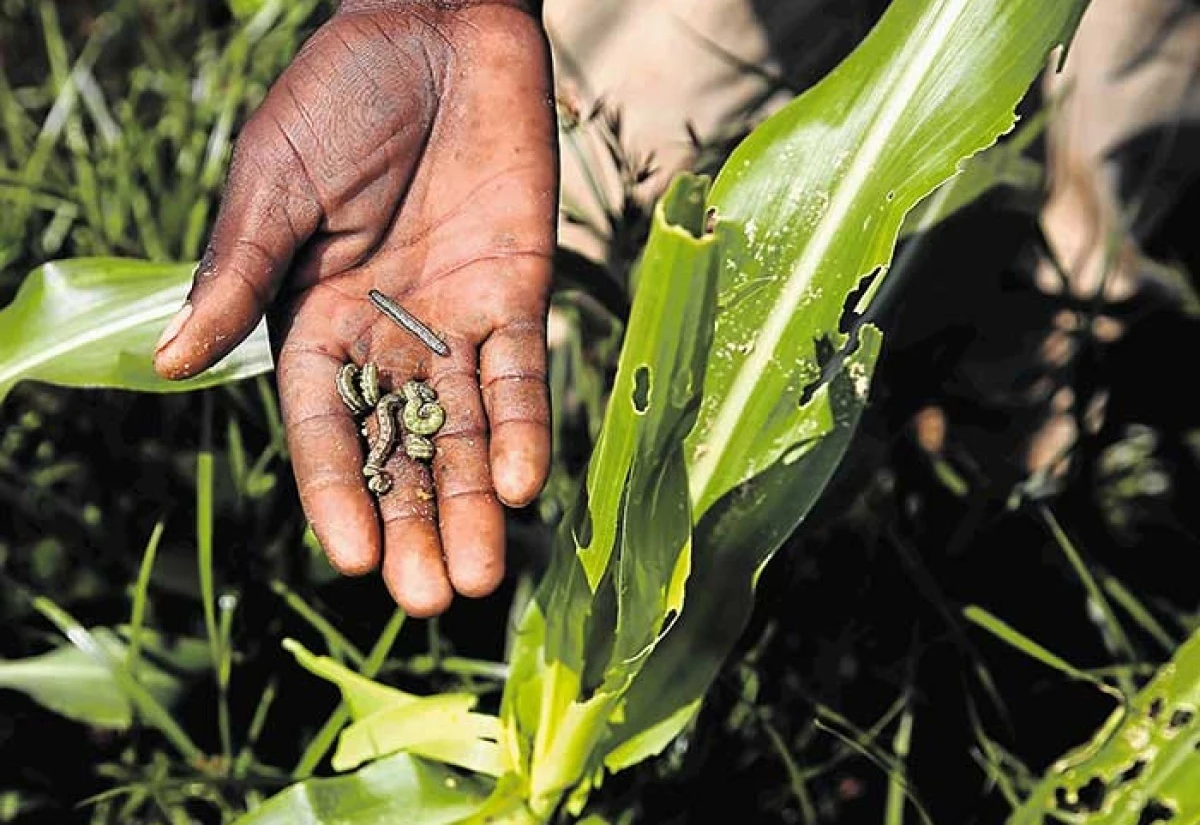
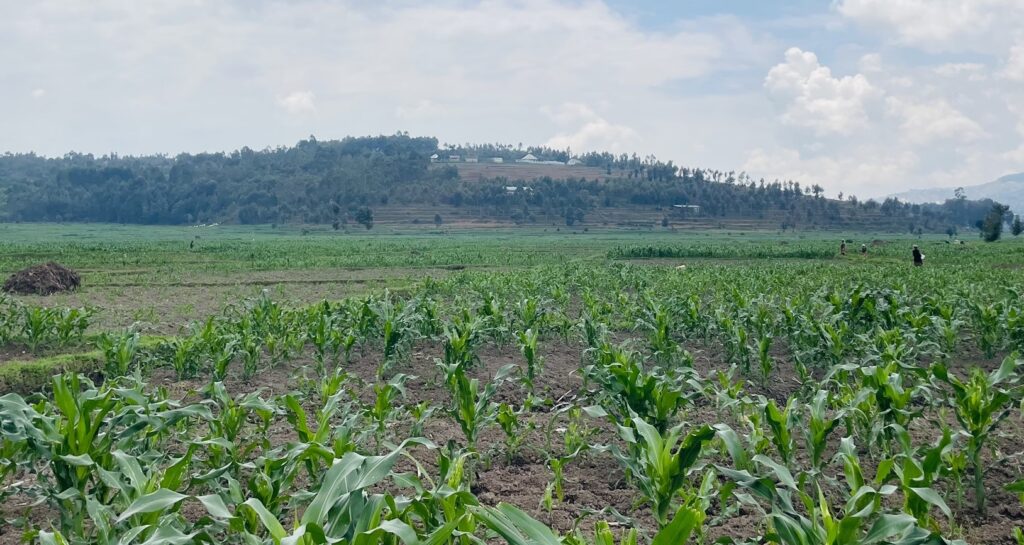
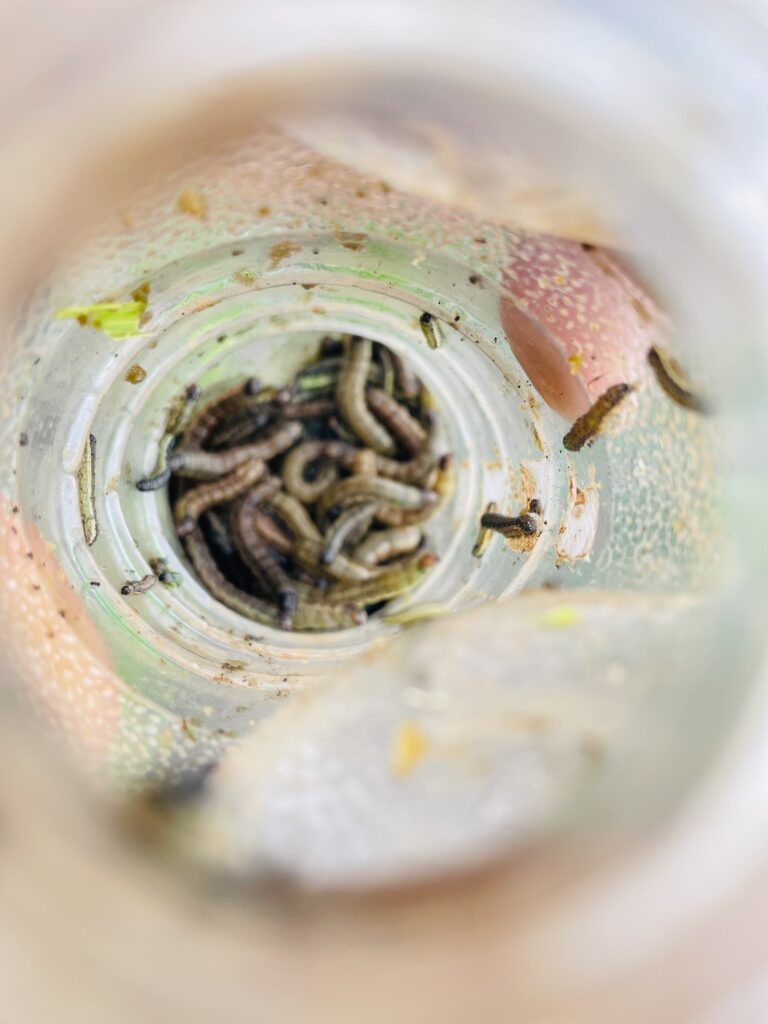
Farmers engaged in agricultural activities in Rugeramigozi Wetland are worried about the losses they may suffer after their maize crops were attacked by fall armyworm.
The farmers say the pest has appeared in their fields, destroying maize crops from which they expected a good harvest. What worries them even more is that, so far, they have not found a lasting solution to help them control the pest and protect their crops.
The farmers are calling on agricultural authorities and crop protection experts to visit them and provide guidance on the appropriate methods of controlling fall armyworm and protecting their crops.
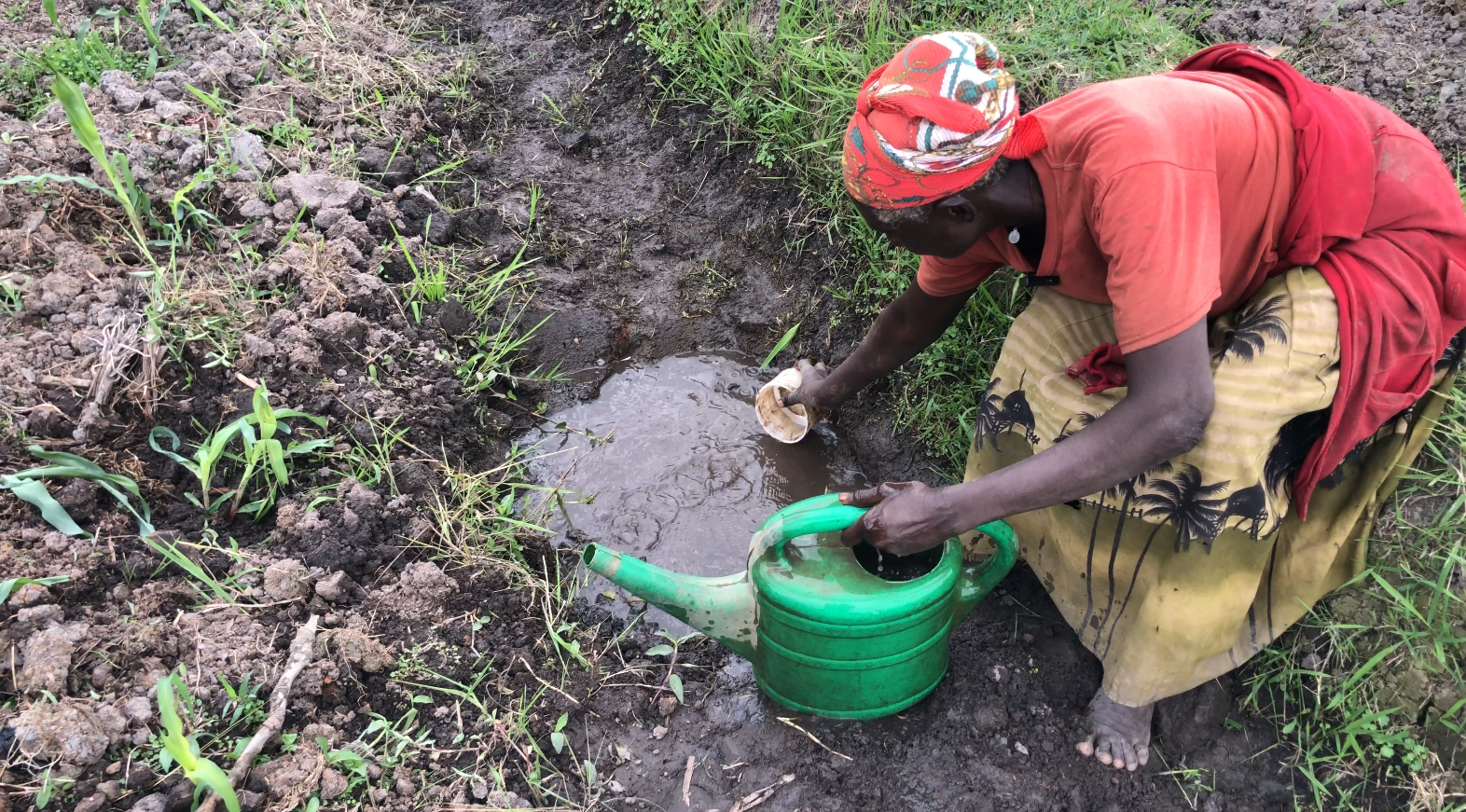
Emmaculee Uwizeyimana, one of the farmers affected by the fall armyworm infestation, says she has applied pesticides but is still uncertain about the outcome, as she has not seen any improvement.
She said “I have sprayed pesticides several times, and this is not the first time I have tried to control fall armyworm in my maize field. However, we keep spraying without knowing what the final outcome will be. There are some pesticides that they usually provide us with, but they initially refused to come and spray them for us. We decided to buy the pesticides ourselves and apply them. However, the cooperative has provided us with other pesticides, which we are now going to try and see whether we will be able to harvest anything.”
Another farmer, who requested anonymity, says they have not yet found a solution to the problem. He adds that the pesticides they receive no longer seem effective against fall armyworm and calls on the relevant authorities to urgently address the situation.
He said “The cooperative provides us with pesticides, but the ones they give us seem to have lost their effectiveness against fall armyworm. They do not make much difference, and the situation remains the same. Another challenge is that we buy these pesticides, yet they take too long to reach us. By the time they arrive, farmers have already lost the opportunity to properly protect their crops. The cooperative delays spraying, and by the time the pesticides reach us, the maize has already been severely affected, leaving little chance of recovery.”
However, Mukaruyenzi Agnes, the President of KIABR Cooperative, where these farmers are members, presents a different account, saying that the severity of the fall armyworm infestation is declining. Her remarks appear to contradict the farmers’ concerns and the situation they describe in their fields.
She said “The severity of fall armyworm is decreasing. We received rainfall, and we provided pesticides on time. We are already spraying the fields. However, some of those farmers are the same people who were given pesticides once, twice or even three times but took them to their bean fields in the upland areas instead. We sprayed pesticides for those who were ready.”
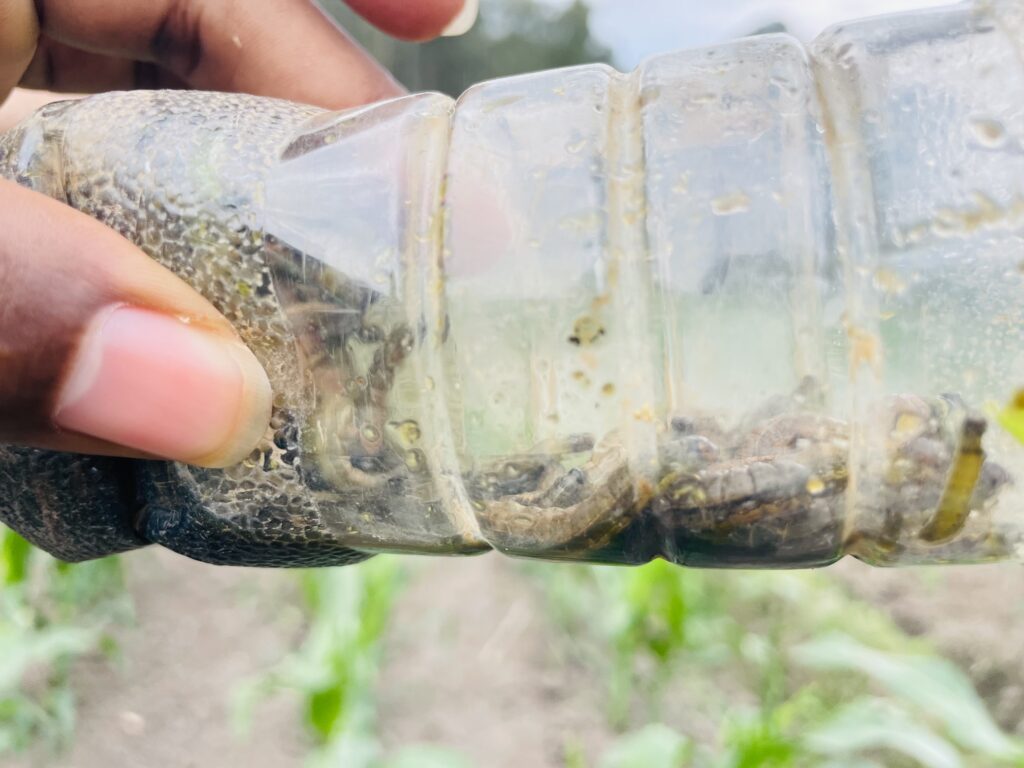
Nevertheless, Agnes urges farmers to scout their fields and manually remove fall armyworm before applying pesticides.
Dr Hategekimana Athanase, Crop Protection Program Coordinator and Senior Research Fellow at the Rwanda Agriculture and Animal Resources Development Board (RAB), says the institution is aware of the problem. He advises farmers to regularly inspect their fields at an early stage and begin removing fall armyworm before the pest spreads widely across their crops.
He said “We are aware of the problem. It first emerged in 2017, when fall armyworm was reported in Rwanda. Since then, measures have been put in place to control it. We believe it is linked to climate change, and we are not aware of any other cause.”
Dr Athanase also advised farmers to scout their fields and remove fall armyworm before applying pesticides as part of efforts to control the pest effectively. He further emphasized the importance of collective action among cooperative members, encouraging farmers who apply pesticides to motivate neighbouring farmers to do the same at the right time.
Rugeramigozi Wetland is located in the Southern Province It extends across Nyamabuye and Shyogwe sectors in Muhanga District, as well as Byimana Sector in Ruhango District.

 Muhire Obed