
 RUSAGARA MUVUNANKIKO Valens
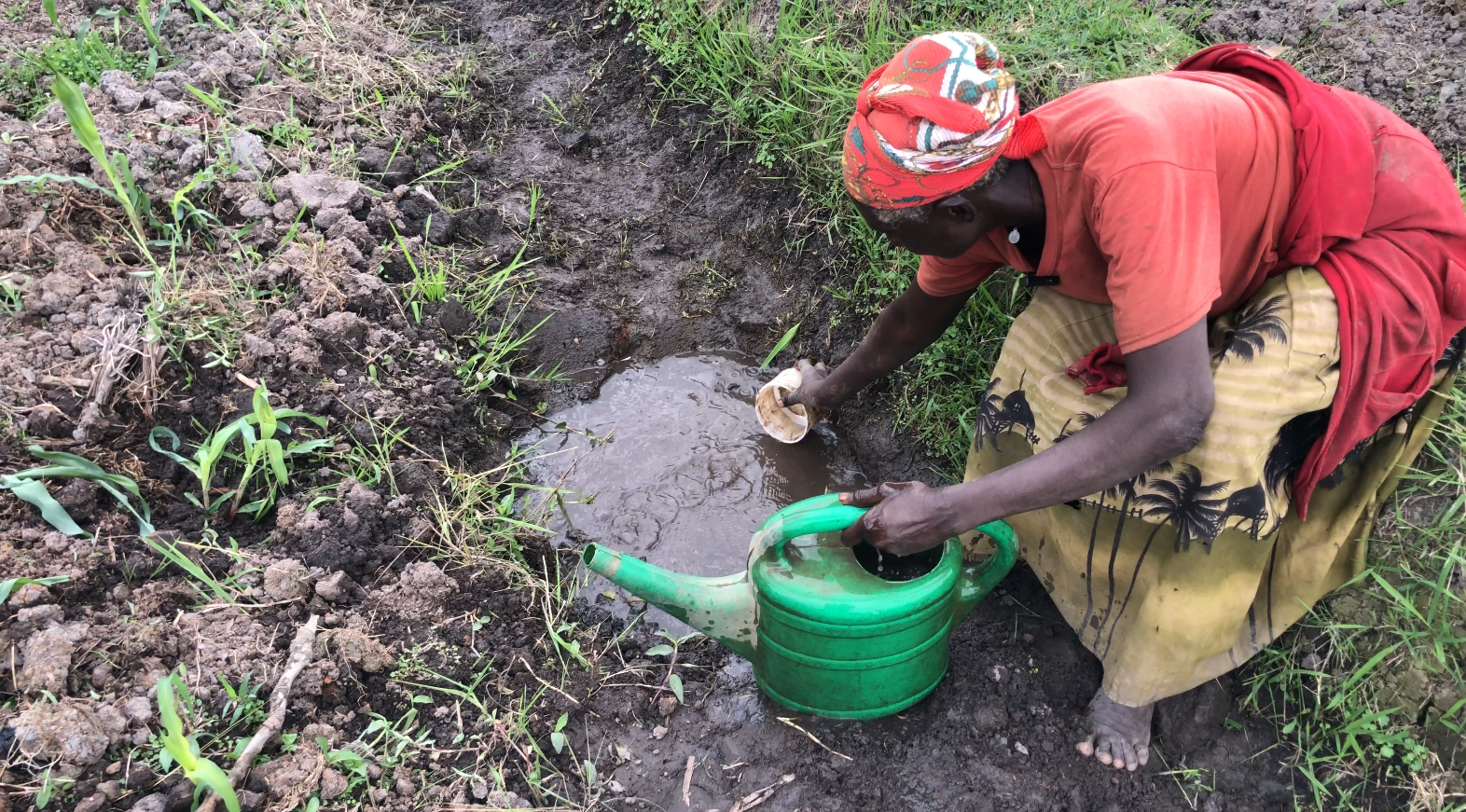
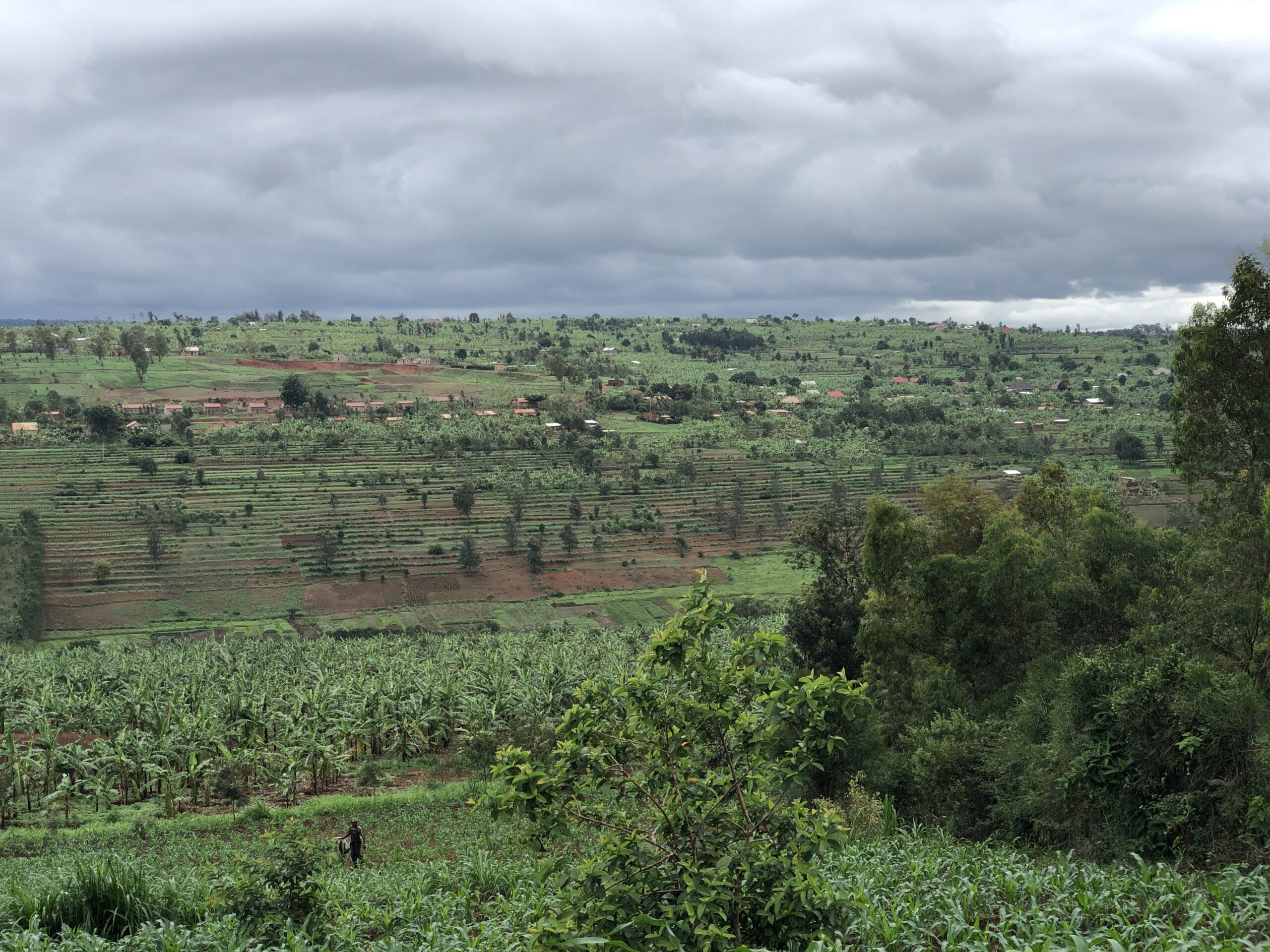
Farmers and members of KIABR Cooperative operating in Rugeramigozi I wetland, located between Shyogwe and Nyamabuye sectors in Muhanga District, are raising concerns over an ongoing shortage of water that is threatening their crops and increasing the burden of agricultural production.
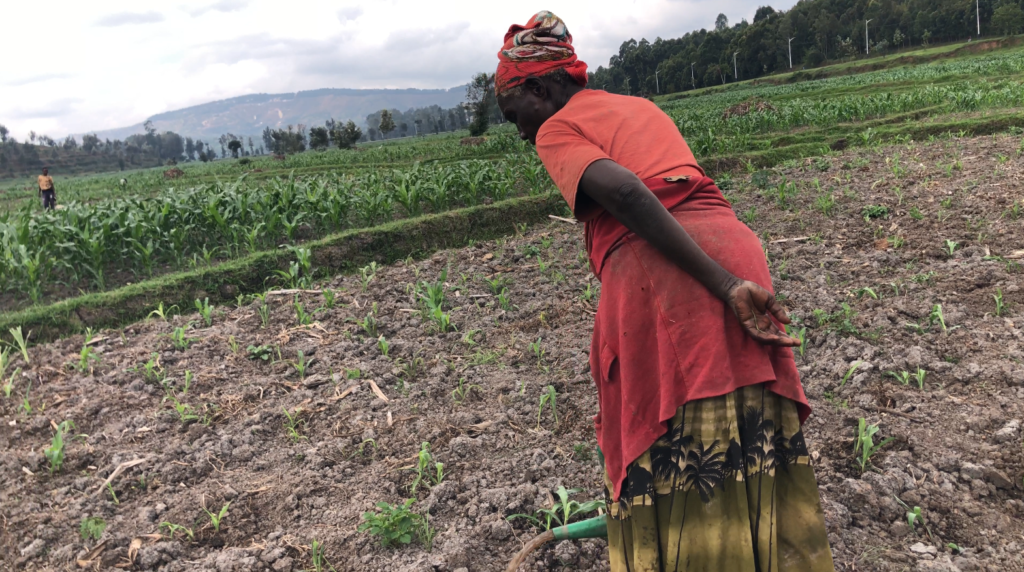
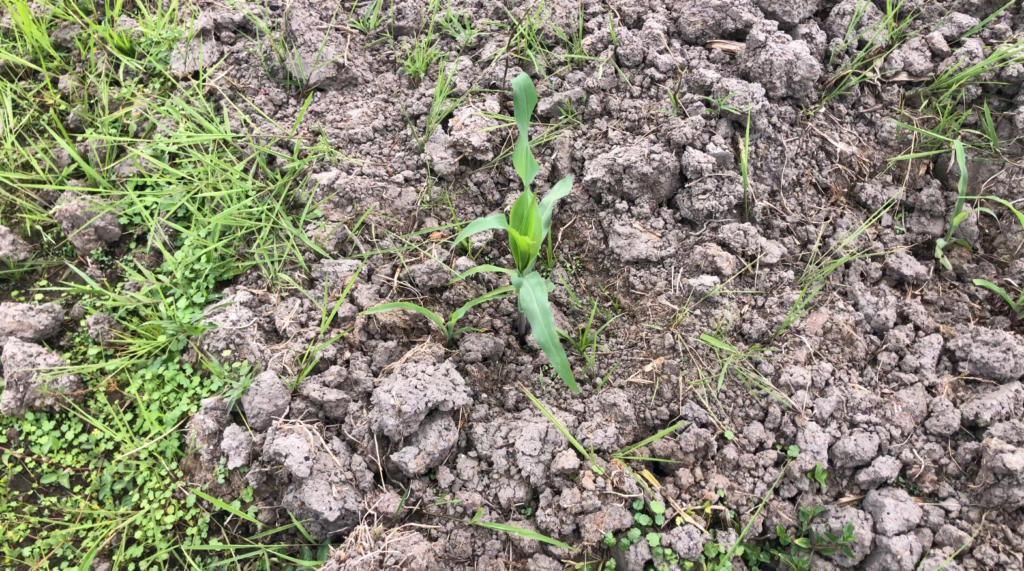
The farmers say the reduced water supply has left large portions of their farmland struggling to receive adequate irrigation, forcing some to replant crops that have dried up despite the onset of the rainy season.
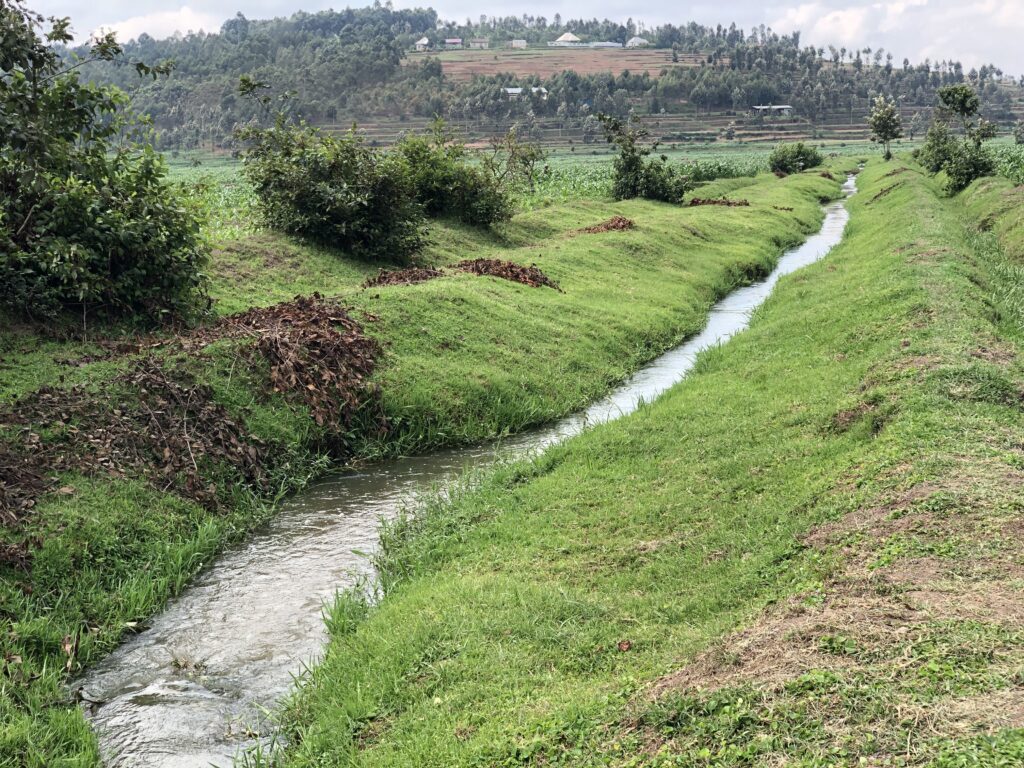
The farmers explain that the wetland previously benefited from two water channels connected to a water reservoir, which supplied irrigation water to the entire farming area. However, only one channel is currently operational, and it is shared by farmers on both sides of the fields, as well as users in Muhanga Industrial Centre and Muhanga residential areas. They say the limited supply has made it increasingly difficult to irrigate their crops adequately.
Venancia Uwambajimana, a farmer working in the wetland, says that during dry seasons, farmers are often forced to fetch water from lower areas of the hill, a task that becomes even more difficult for elderly farmers.
“During the dry season, we fetch water down the hill. Even now that it is raining, the water is still not enough. It is not easy for us because of our age; we no longer have the strength to carry water over such distances. As you can see, we are now replanting seeds because the previous round dried up,” she said.
The shortage has disrupted planting cycles and increased the workload for farmers who depend on the wetland for their livelihoods. The farmers say the inadequate irrigation supply is affecting their ability to maintain crops, even when rainfall is expected to provide relief.
Mukazayire Agnes, president of KIABR Cooperative, acknowledges the challenges facing farmers but says there is hope as efforts are underway to improve water availability in the area.
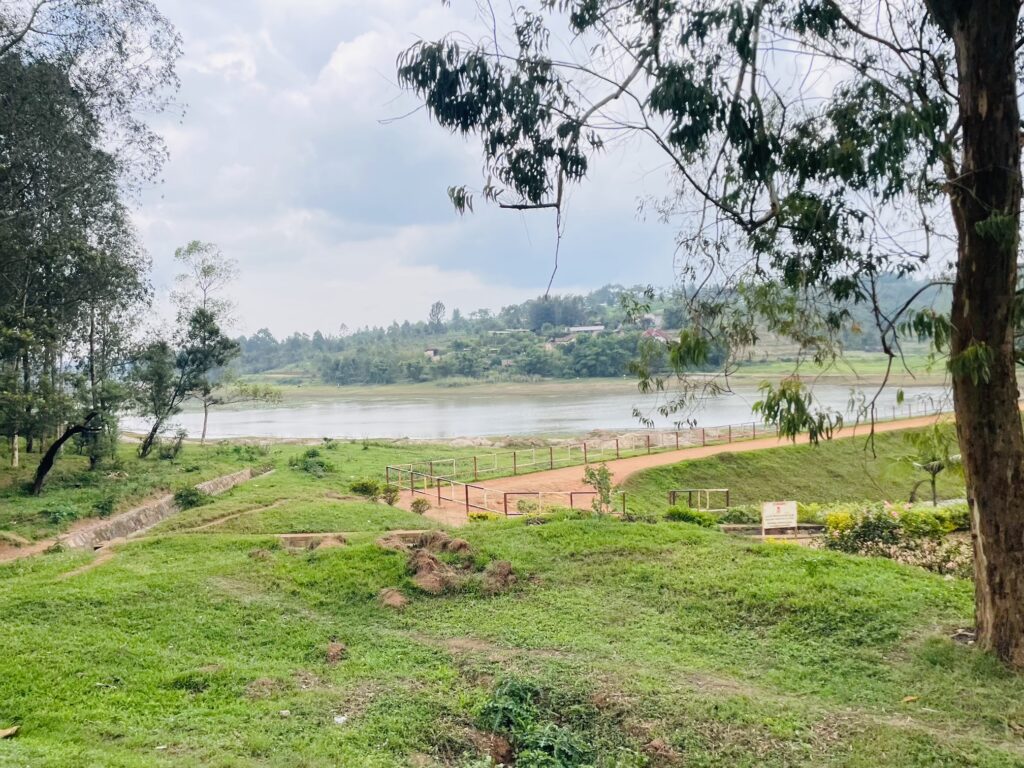
“As you have seen, the water reservoir has dried up, but we have hope because they are digging it deeper. The whole of Muhanga District also needs water,” she said.
Mukazayire said farmers located closer to the water source experience fewer challenges than those farming farther away. She added that the cooperative works closely with local government authorities and sector agronomists to support farmers and address agricultural challenges. She also said crop insurance is expected to help farmers manage losses resulting from the water shortage.
“We work hand in hand with local government because we work with sector agronomists, and we strongly encourage our farmers to adopt irrigation technologies. They also receive government assistance known as ‘Nkunganire’. We were given one of the irrigation machines and we met with the maintenance and equipment suppliers. We have agro-dealers and no farmer who has wanted this equipment and requested them has ever failed to get them,” Mukazayire said.
She added that farmers are insured and that insurance is expected to cover losses incurred by those affected by the water shortage.
The cooperative’s encouragement of irrigation technologies comes amid Rwanda’s broader efforts to reduce dependence on rainfall and expand access to reliable water for agricultural production.
Unfortunately, efforts to reach Muhanga District Executive Secretary Mutesayire Gloriose, who is acting as Leader of the District for comment on the repair and maintenance of Rugeramigozi water reservoir were unsuccessful despite three telephone attempts.
Jerome Hitayezu, an irrigation engineer at the Rwanda Agriculture and Animal Resources Development Board (RAB), says farmers have access to different irrigation support programs, including Small-Scale Irrigation Technology (SSIT), which is designed to help farmers improve water access and agricultural productivity.
Hitayezu said farmers interested in acquiring SSIT equipment can begin the process through their local administrative offices.
“First, any farmer who wants this technology can approach their sector or district offices. They are given an application form, which is signed, and then a technician comes to measure the water levels and assess the requirements needed,” he explained.
He said the government also supports farmers using fuel-powered irrigation systems and solar irrigation technologies, with subsidies intended to reduce the cost of acquiring equipment.
“For fuel-powered irrigation technologies, the government sponsors 50 per cent, while for solar irrigation systems, the government sponsors 75 per cent,” Hitayezu said.
According to Rwanda Agriculture and animal Resource Development Board (RAB)’s annual report of 2024/2025, the country had developed 74,375 hectares of irrigated land by the 2024/2025 fiscal year, up from 48,508 hectares in 2016/2017, representing a 53.3 per cent increase.
The developed area comprises 37,273 hectares of marshland, 9,439 hectares of hillside irrigation and 27,663 hectares under Small-Scale Irrigation Technology (SSIT). Rwanda has approximately 610,595 hectares of gross irrigable land, with a target of expanding irrigation to 132,171 hectares by 2028/2029.


 Muhire Obed
 Kwizera Yves Beni