
 RUSAGARA MUVUNANKIKO Valens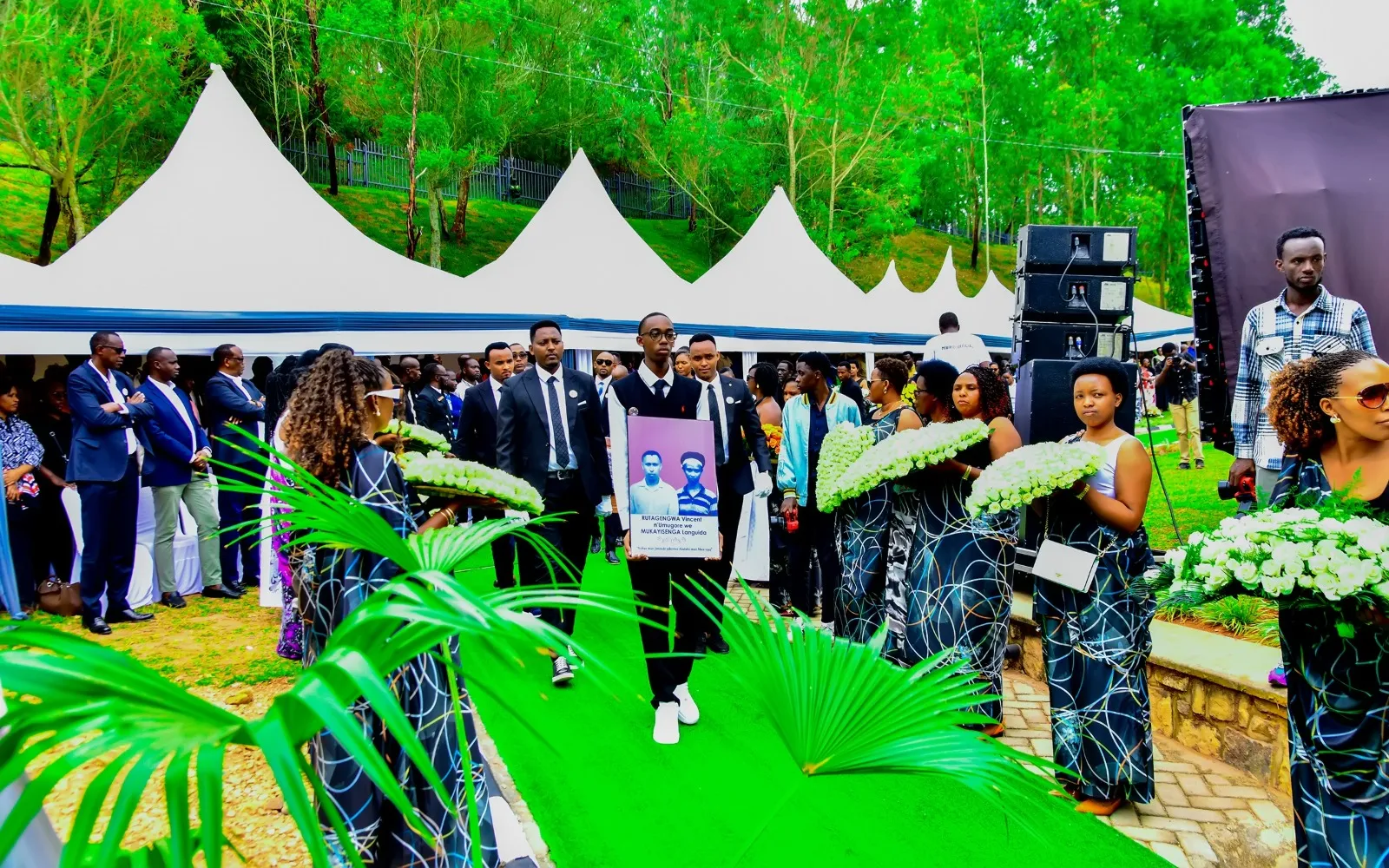
At the Kabgayi Genocide Memorial in Muhanga, survivors, government officials and residents gathered to mark the 32nd commemoration of the 1994 Genocide against the Tutsi, during which eight bodies of victims were given a dignified burial.
The bodies included four that were relocated from poorly maintained burial sites and four that were recently discovered. The event was attended by several leaders, with Rwanda’s Minister of Interior and Security, Vincent Biruta, serving as the guest of honor.
The commemoration also marked the anniversary of June 2, 1994, the day former RPA Inkotanyi forces reached Kabgayi and rescued more than 10,000 Tutsi who had sought refuge there. It remains one of the largest single-day rescue operations carried out during the Genocide against the Tutsi.
Speaking during the ceremony, Muhanga District Mayor Jacqueline Kayitare described the killings committed against Tutsi refugees in Kabgayi as systematic and exceptionally brutal.
“Many Tutsi who had fled to Kabgayi believed they would find safety because of the presence of Catholic institutions and missionaries,” she said. “However, the genocidal government intensified its plans after relocating to the former Gitarama Prefecture, determined to ensure that when Inkotanyi arrived, no Tutsi would still be alive.”
Kayitare said Interahamwe militias and local authorities used buses belonging to the former state transport company ONATRACOM to transport victims to execution sites, including the Nyabarongo bridge and Kibirira.
“In that plan, ONATRACOM vehicles were used to transport large numbers of Tutsi at once to places where they were killed or thrown into the Nyabarongo River,” she said. “This increased the number of people murdered within a very short period of time.”
She added that local officials and militias from Kigali also came to Kabgayi to identify and select Tutsi originating from communes that made up the former Gitarama region, including Taba, Runda, Kayenzi, Mugina, Musambira, Tambwe and Nyamabuye.
Clementine Bayisenge, who was born in Rongi Sector and survived the genocide in Kabgayi, shared an emotional testimony about the long and painful journey she endured during the 1994 Genocide against the Tutsi, in which several members of her family were killed. She concluded by expressing gratitude to the former RPA forces that rescued them from the hands of the killers.
“On June 2, 1994, early in the morning until around midday, we heard heavy gunfire and some bullets were even falling near us,” she said. “Then suddenly, we heard people knocking and saying, ‘We are Inkotanyi, we are looking for you.’ We came out and when you looked at the soldiers you could immediately see they were different from the ones we were used to seeing. We became happy, though we still wondered whether we would truly survive. But the Inkotanyi helped us and that is why I am still alive today. The Inkotanyi saved me and I am grateful to them.”
She added: “After surviving, I realized there was nothing else I could do to repay the Inkotanyi except to look for an Inkotanyi husband, give birth to Inkotanyi children and become Inkotanyi myself.”
Nduwayezu Venuste, who spoke on behalf of families burying their relatives at the memorial and who also laid his parents to rest there, paid tribute to the RPA Inkotanyi for rescuing survivors at the last moment.
“We are like a tree pulled out of the fire,” he said. “The Inkotanyi rescued us when we were only seconds away from being killed. Every time this date returns, I remember the fear and hopelessness we lived through believing there was nowhere left to run. The Inkotanyi saved our lives.”
In his remarks, Minister Dr. Vincent Biruta said Kabgayi holds a particular place in Rwanda’s history of genocidal ideology, tracing its roots back to the colonial era and the First and Second Republics.
“The Genocide against the Tutsi has deep historical roots,” Biruta said. “Kabgayi has a unique history because it became one of the places where genocidal ideology was spread by figures such as Bishop Perraudin and President Kayibanda.”
Minister Vincent Biruta said: “On June 2, 1994, I believe it was the final day for those who had not yet been killed, because this entire area was surrounded and all that remained was for the signal to be given to begin the massacre and completely wipe them out. It was on that day that the Inkotanyi arrived in Kabgayi and rescued the Tutsi who were still alive fewer than 15,000 out of the 50,000 who had sought refuge there.”
He added: “It is painful and shameful that there are still people who continue to withhold information about where the bodies of Tutsi killed during the Genocide are located, even though they know where they are. Such people should reflect on their actions. This behavior of refusing to reveal the whereabouts of victims’ bodies is linked to genocide ideology, genocide denial and minimization, and it represents a second violation of human dignity.”
In 1994, more than 50,000 Tutsi had taken refuge on Kabgayi hill in schools, church compounds and other buildings. Between 12,000 and 15,000 were rescued by the RPA Inkotanyi, while more than 35,000 were killed. Some victims were thrown into the Nyabarongo River, while others were murdered in surrounding hills and areas including Kibirira.
Because fighting between RPA Inkotanyi forces and government troops was still ongoing, survivors rescued from Kabgayi were immediately evacuated to areas already secured by the RPA, passing through Ruhango before eventually reaching Bugesera, where they found safety.
Currently, the Kabgayi Genocide Memorial was already the final resting place for 12,219 victims of the 1994 Genocide against the Tutsi. During this commemoration, eight more bodies were laid to rest, including four that were recently discovered and four that were relocated from other burial sites.
Following the burial ceremony, the Kabgayi Genocide Memorial now holds a total of 12,227 bodies of Tutsi victims killed during the Genocide against the Tutsi.
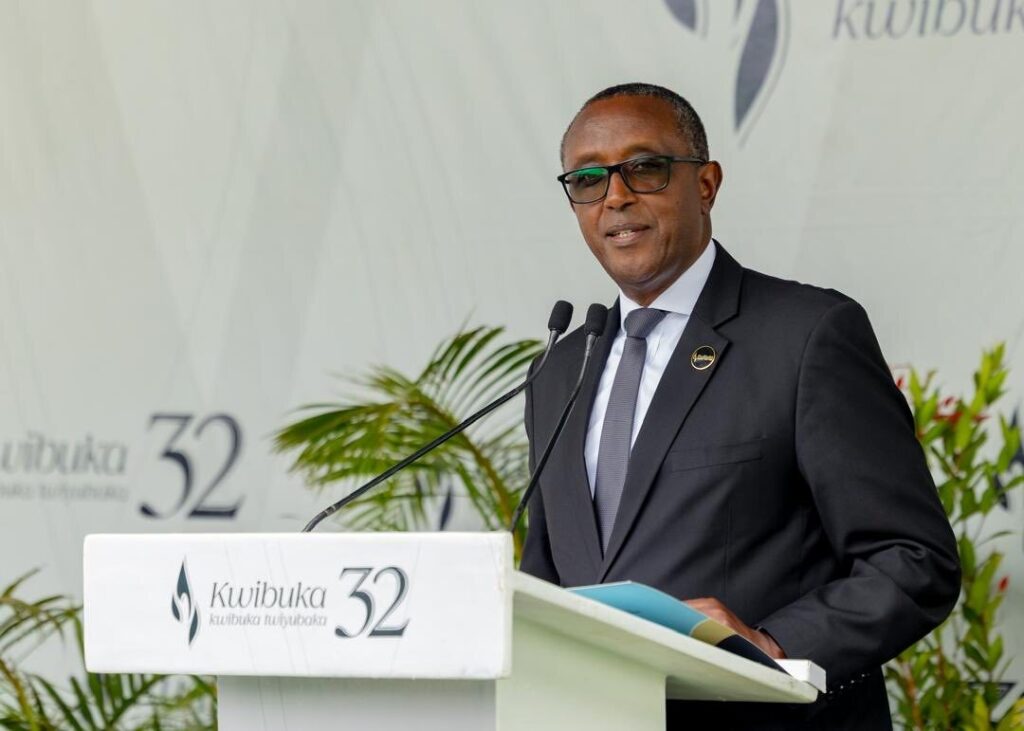 Dr. Vincent Biruta joined survivors and residents at Kabgayi to honor victims of the 1994 Genocide against the Tutsi.
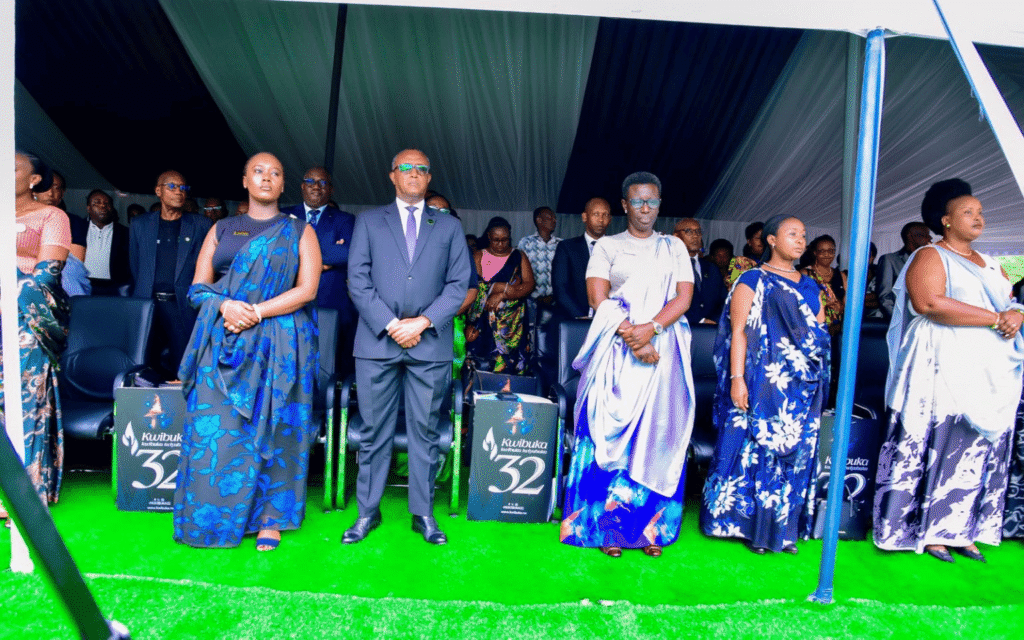 Leaders join survivors and residents at Kabgayi Memorial to honor victims of the Genocide against the Tutsi.
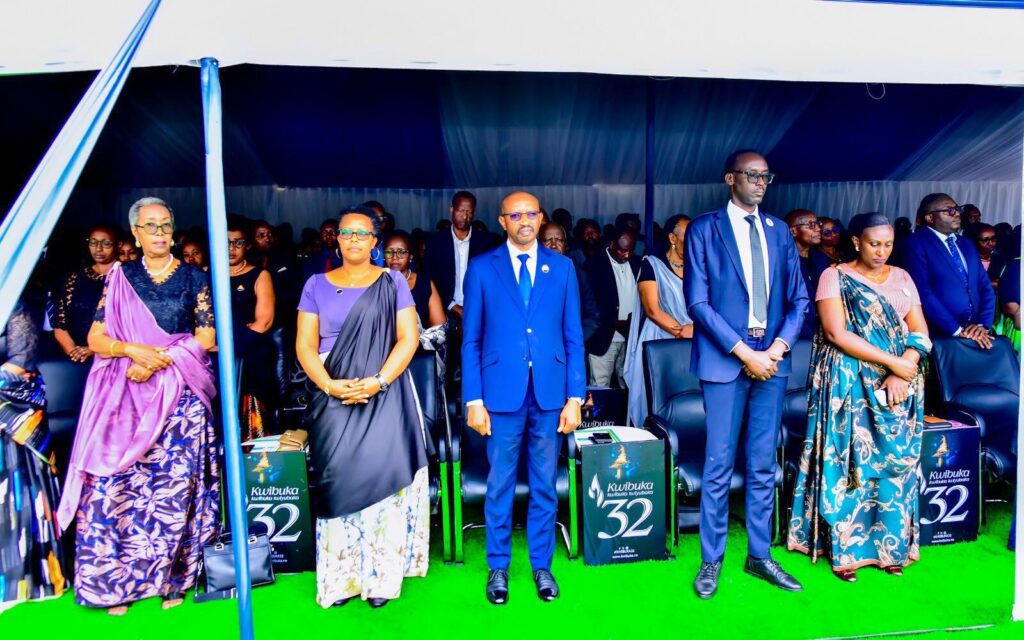 Members of Parliament and the Governor of the Southern Province joined residents and survivors at Kabgayi during the 32nd commemoration of the Genocide against the Tutsi.
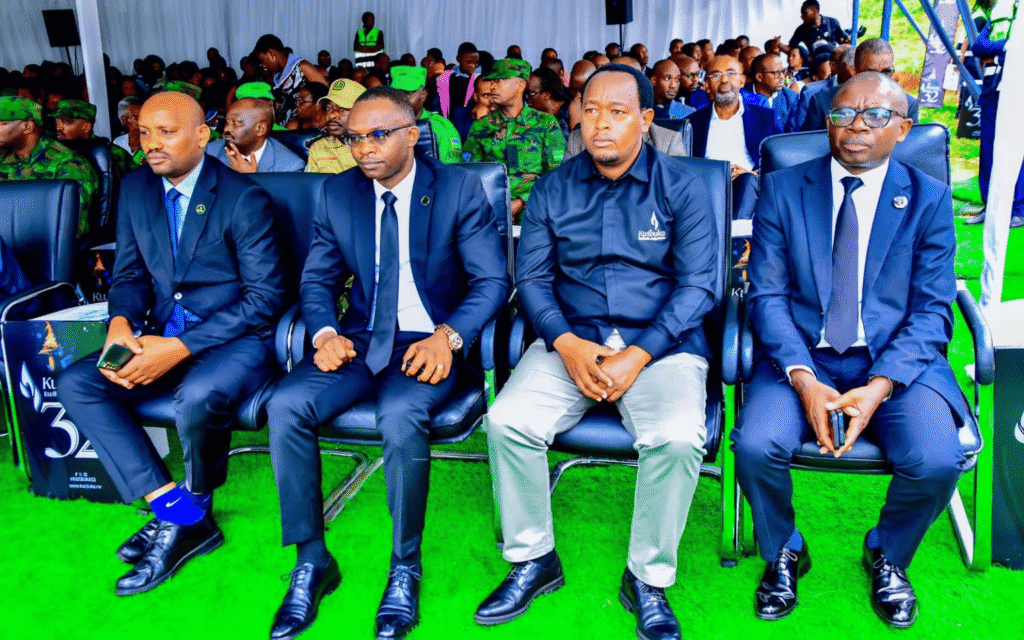 District leaders from Kamonyi, Ruhango and Ngororero joined the commemoration ceremony at Kabgayi Memorial to honor victims of the Genocide against the Tutsi.
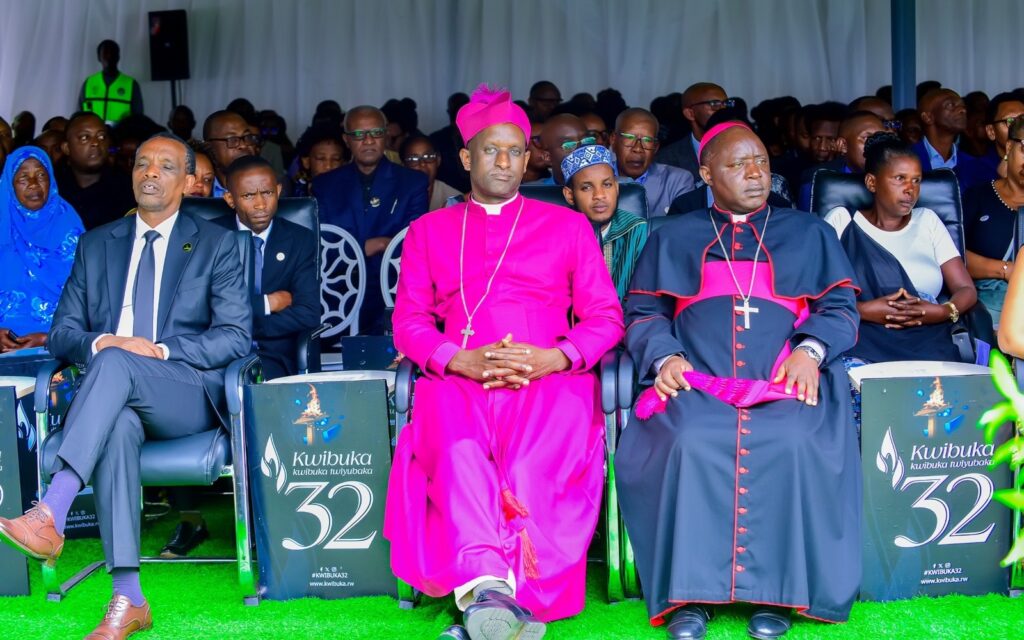 Rev. Louis Pasteur Kabayiza of the EAR Shyogwe Diocese and Mgr Balthazar Ntivuguruzwa of Kabgayi Catholic Diocese attended the commemoration ceremony at Kabgayi Memorial.
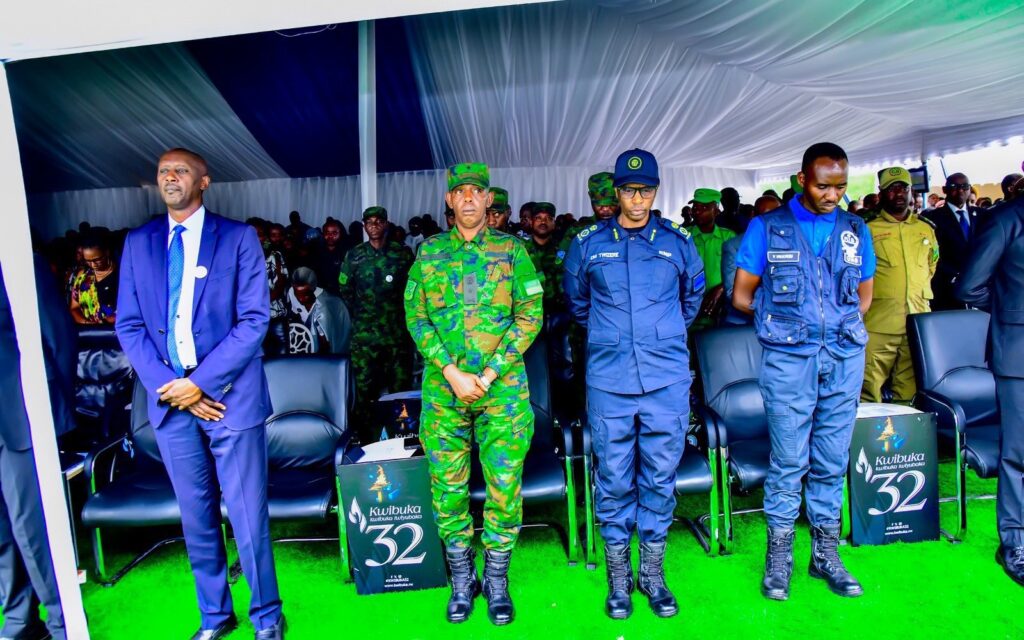 Representatives from different security institutions paid tribute to victims during the remembrance event at Kabgayi Memorial.
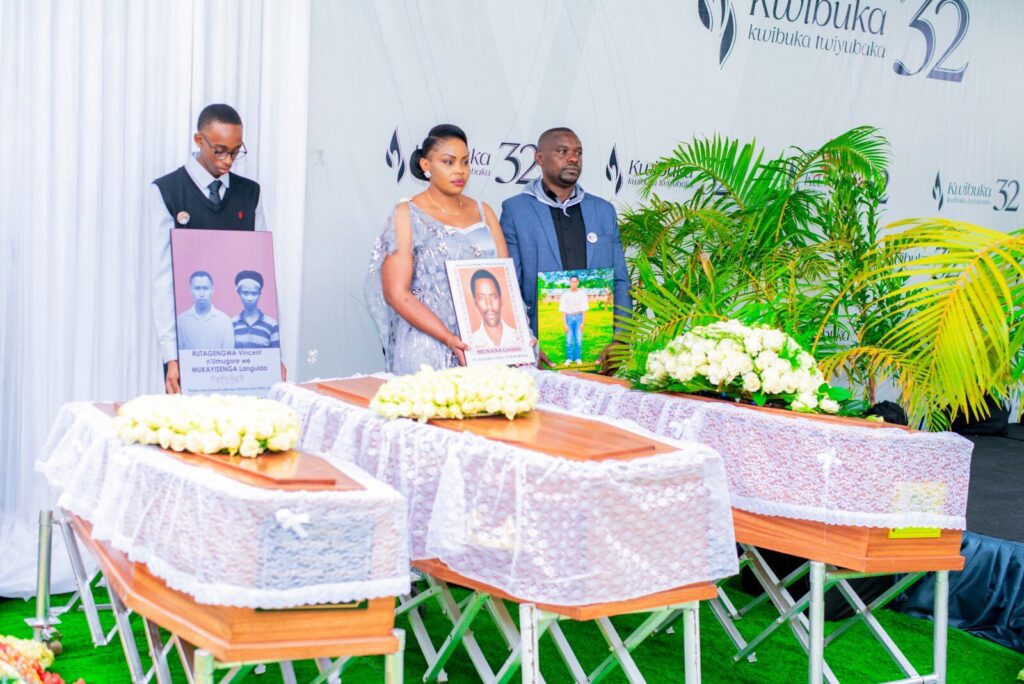 Victims whose bodies were recently found were finally given a dignified burial at Kabgayi Genocide Memorial.