
 RUSAGARA MUVUNANKIKO Valens
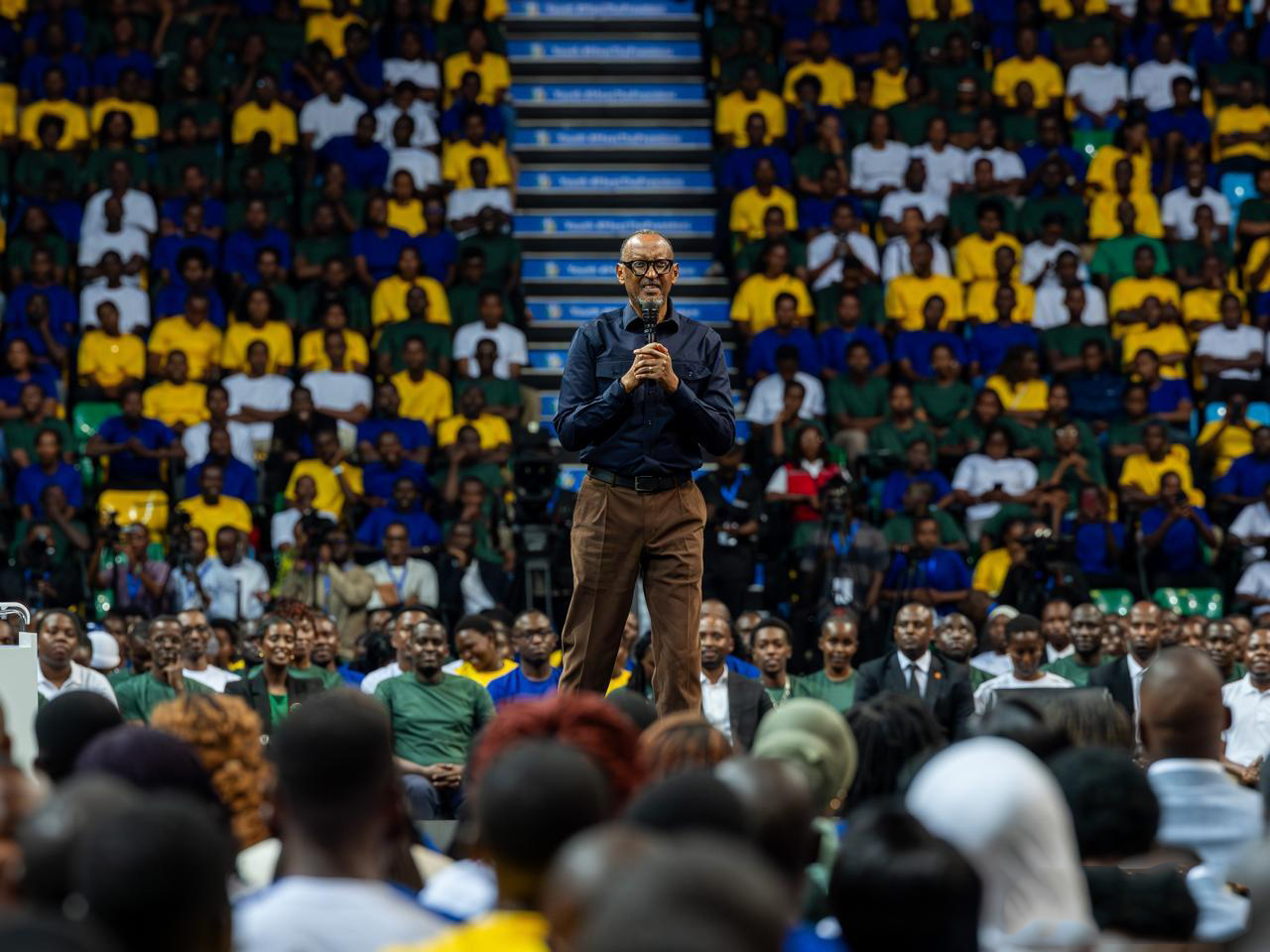
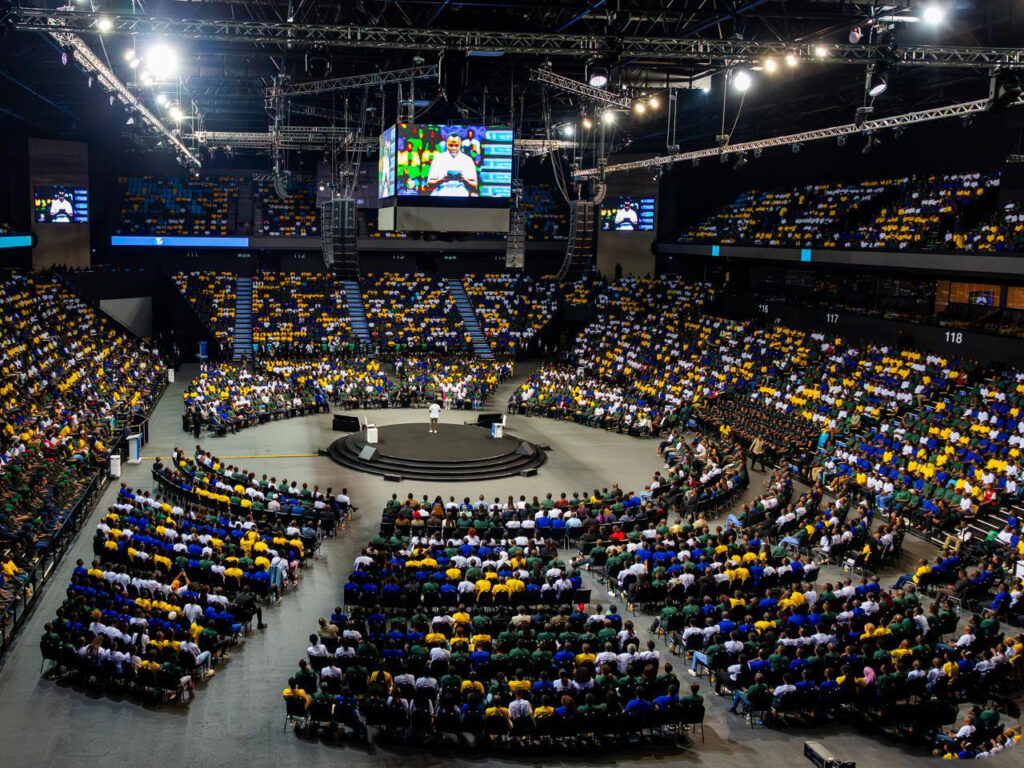
President Paul Kagame has urged young people and older generations to work together to build Rwanda, telling more than 10,000 participants at the #MeetThePresident event that national development is a shared responsibility.
The President delivered the message on Wednesday during a gathering that brought together young people from across the country, where government officials also addressed challenges facing the youth, including drug abuse, alcohol consumption, mental health and the opportunities offered by technology.
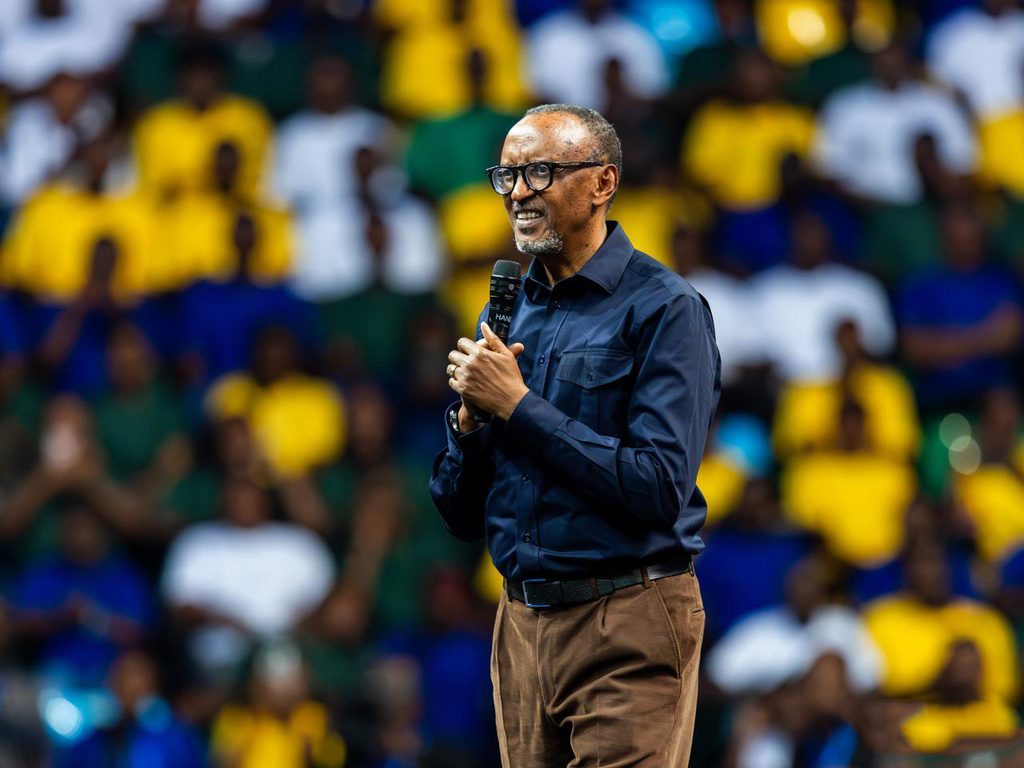
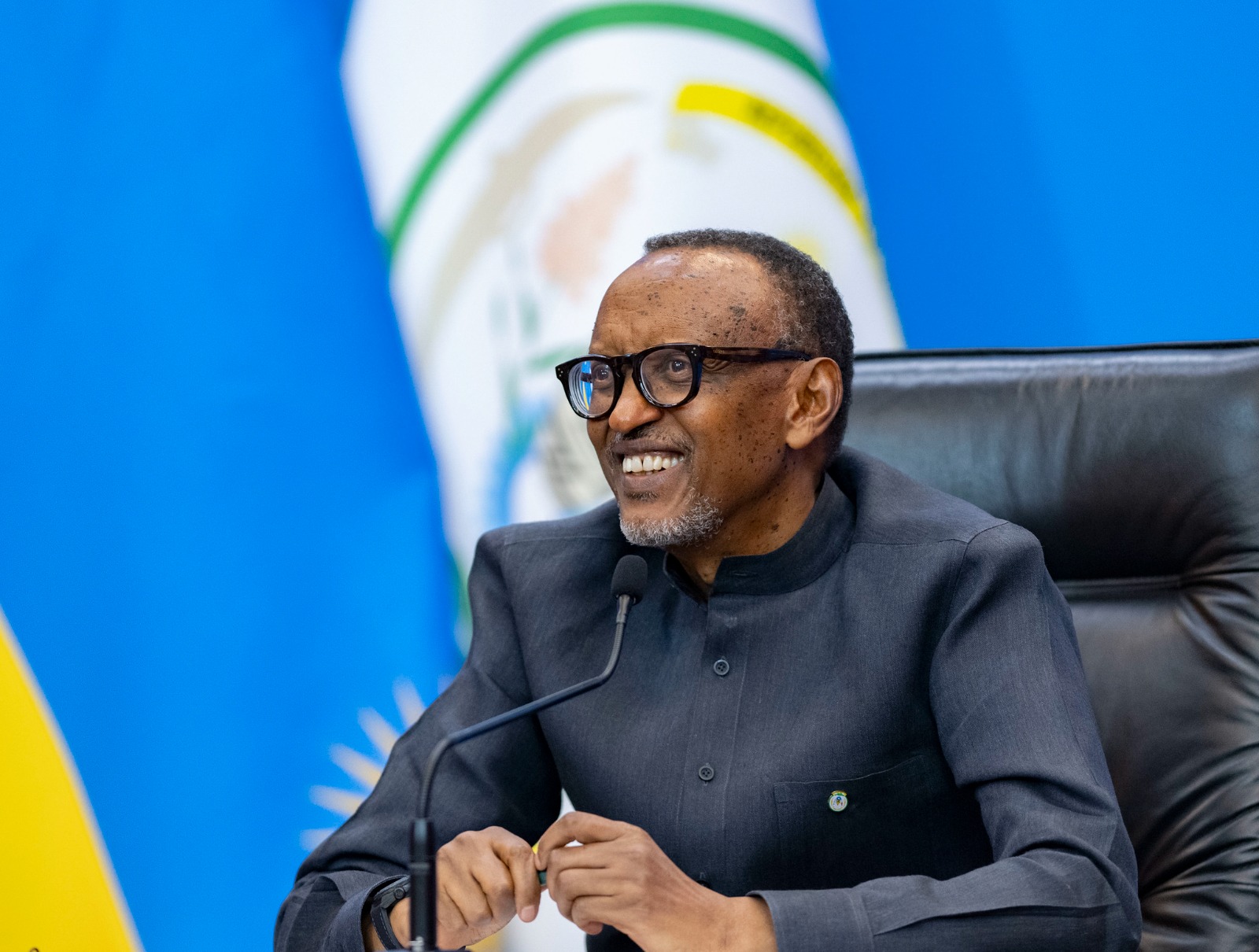
“Whether we are those who refused to leave youth behind, those whom youth refused to leave behind, or those who are genuinely still young, we are one,” Kagame said. “What remains is to build ourselves, build our families, build our lives and build our country.”
Kagame’s remarks followed a message from the Minister of Health, Dr Sabin Nsanzimana, who had joked about people who remain young at heart despite growing older. The President said the different generations share the same goal of contributing to Rwanda’s development.
The Minister of Youth and Arts Development, Dr Utumatwishima Abdallah, praised President Kagame for establishing the #MeetThePresident programme, which provides an opportunity for the Head of State to engage with different groups of Rwandans, particularly young people.
He described the initiative as another demonstration of Rwanda’s approach to leadership.
“It is another sign of the uniqueness of good governance that all Rwandans take pride in,” Utumatwishima said.
The minister also urged young people to protect their health and take responsibility for their future, warning that alcohol and drug abuse undermine their ability to fulfil their responsibilities.
“It would be a lie to say that we can fulfil our responsibilities while drinking alcohol as though we want to finish them, or while using drugs as though we have made them acceptable,” he said.
Minister of Health Dr Sabin Nsanzimana told participants that although everyone grows up with dreams, those dreams are unlikely to become reality without clear goals and plans.
He explained that young people need to turn their aspirations into achievable objectives and develop practical plans to accomplish them, warning that substance abuse can destroy this process.
“We have all been young. We all had dreams. Dreams become goals, and goals become plans. If you lack these three things, you keep dreaming, go to sleep, wake up the next morning, and that is all,” Nsanzimana said.
The minister also challenged society to stop glorifying alcohol, arguing that people should give greater recognition to things that genuinely contribute to their well-being.
“We must strip alcohol of the value it has been given and give that value to what deserves it. There is nothing good about alcohol, not a single thing. You can live without drinking it,” he said.
Drawing on scientific explanations, Nsanzimana described how alcohol affects the human body and brain. He said alcohol can reach different parts of the body within a short time after consumption and interfere with communication between brain cells, affecting decision-making and behaviour.
“Once you take a sip, it takes only 50 seconds for alcohol to reach every part of the body. When it reaches the brain, the first thing it does is interfere with communication between brain cells. The decisions you would have made change. Someone who was quiet starts shouting, while another who never used to speak out starts beating even the people who gave birth to them. We must strip alcohol of its value,” he said.
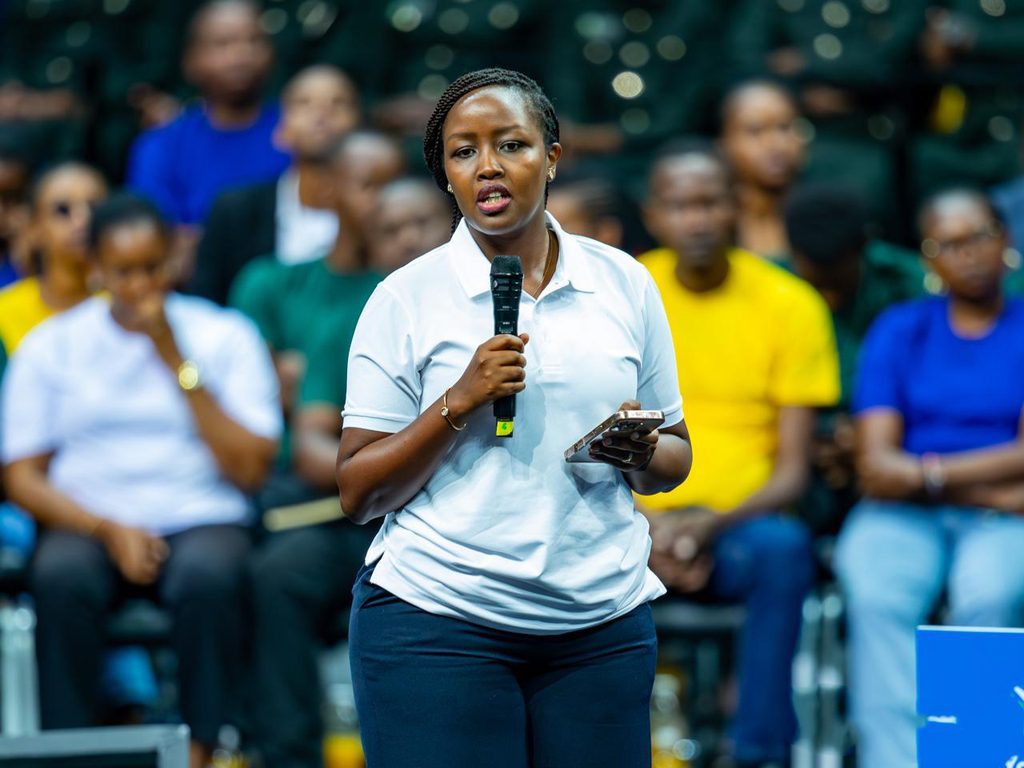
The Minister of ICT and Innovation, Paula Ingabire, highlighted the opportunities technology continues to create, particularly in employment and skills development.
She encouraged young people to keep learning about emerging technologies and adapting to changes in the job market, stressing that acquiring new skills does not always require returning to formal education.
“These opportunities do not necessarily require you to go back to school; they require you to keep learning,” Ingabire said.
Ingabire encouraged young people to use social media as a source of learning and motivation rather than allowing other people’s apparent success to discourage them.
“When we go on social media, let us ask ourselves whether being there is helping us learn. I want it to motivate you, so that instead of looking at someone who has succeeded and wondering how they managed, you ask yourself: What is the first step I can take to build myself?” she said.
The President of the Republic of Rwanda, Paul Kagame also encouraged young people to use every opportunity to learn, explaining that knowledge acquired early in life can become valuable many years later.
Reflecting on his childhood, when he and his family lived in exile, Kagame recalled listening to a programme on Radio Rwanda called Wari Uziko, which shared information about a wide range of subjects.
He said lessons he had heard on the programme proved useful approximately 20 years later, illustrating the importance of remaining curious and making good use of available learning opportunities.
“Wherever you are, do not waste time. Learn, work and develop a desire to understand what is right and what is wrong. Continue building yourself as time passes,” Kagame said.
He added that personal development requires discipline, responsible behaviour and consistency.
“It requires good behaviour and self-control. You must understand things properly, and it must be consistent. It should not be that you behave well at night but fail to do so during the day. No, it must be continuous,” he said.
Kagame illustrated his point with a personal account of how knowledge gained from Wari Uziko helped him treat a wound.
He recalled hearing on the programme that a plant known as inyabarasanya could be used to treat wounds. Years later, after sustaining an injury in a place where medicine was unavailable, he remembered the information and searched for the plant.
“Later, I found myself in a situation where I got injured in a place where there was no medicine. I remembered the Wari Uziko programme, where they had said you could take inyabarasanya, crush it and place it on the wound. I looked for it and found it in a banana plantation. I tied it around the wound, left it overnight, and by the next day it had dried. I applied fresh inyabarasanya again,” he said.
Through the example, the President emphasised the importance of learning from different sources and retaining useful knowledge, noting that information encountered today may become valuable in unexpected circumstances in the future.
The #MeetThePresident gathering brought together young people from different parts of Rwanda and provided a platform for discussions on leadership, personal responsibility, public health, technology and the role of the younger generation in national development.
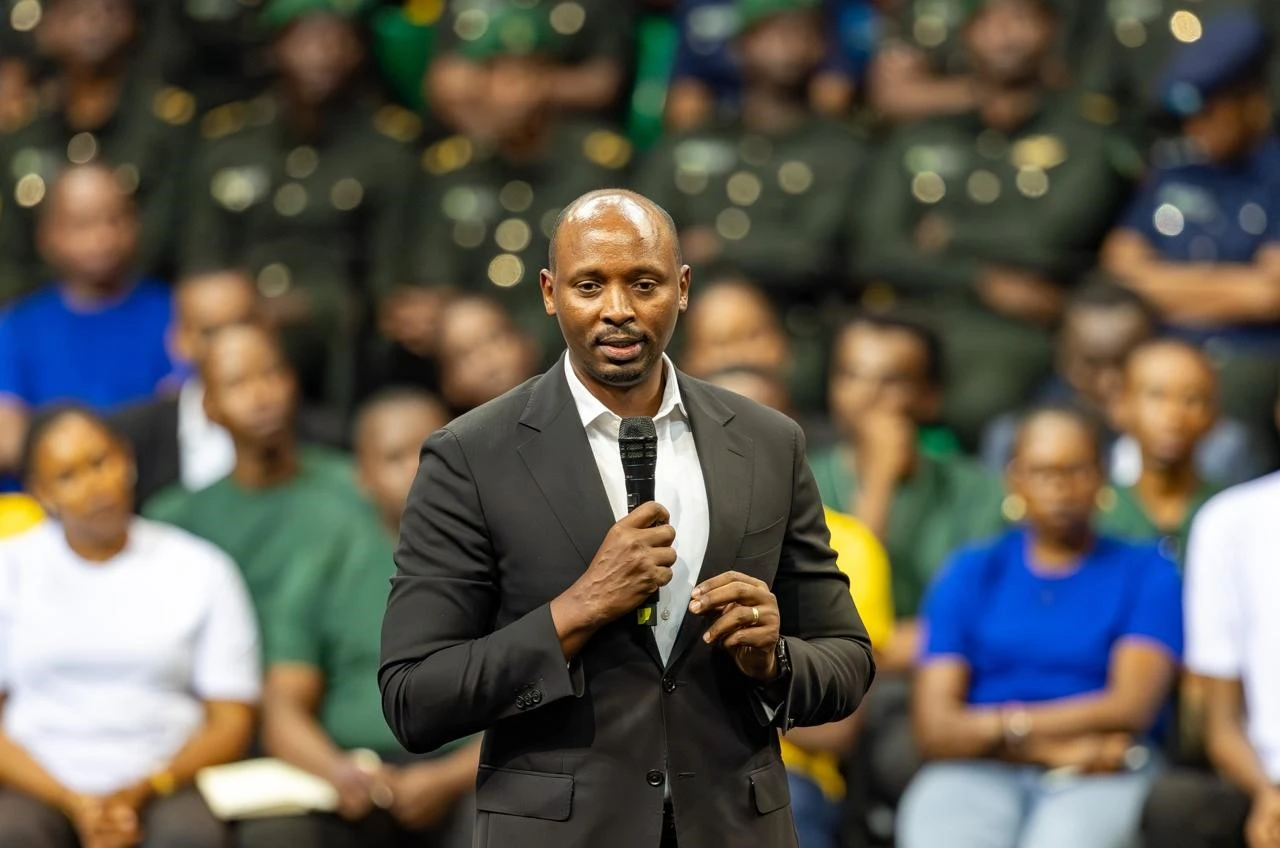
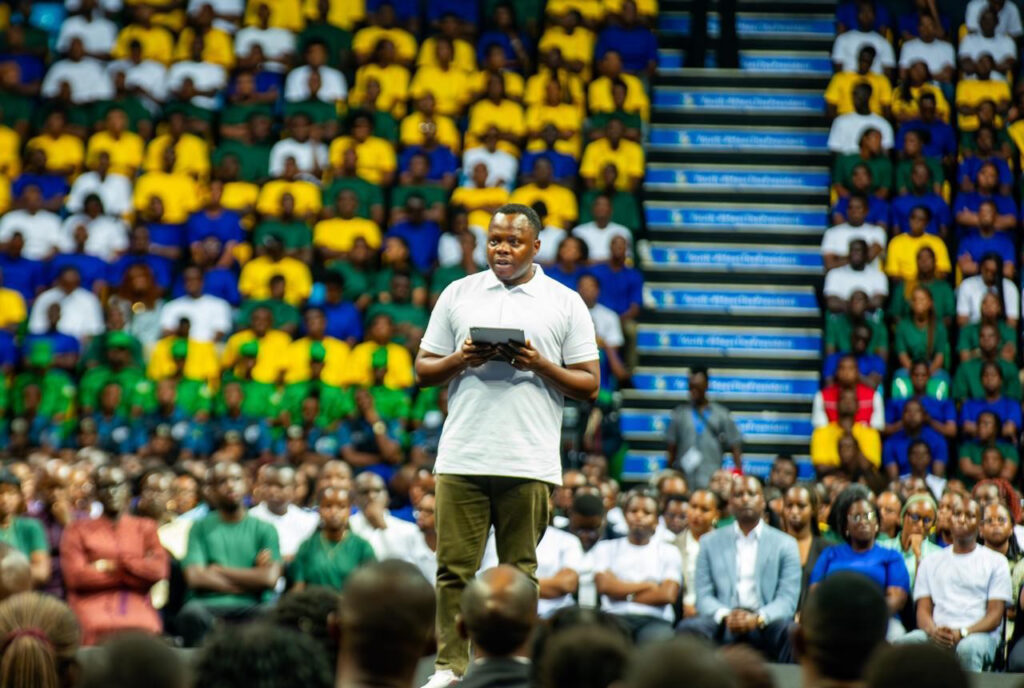
Minister of Youth and Arts Development Dr Utumatwishima Abdallah praised President Kagame for establishing the #MeetThePresident programme and urged young people to avoid alcohol and drug abuse.

 Muhire Obed
 Daniel Ngendahimana