
 Daniel Ngendahimana
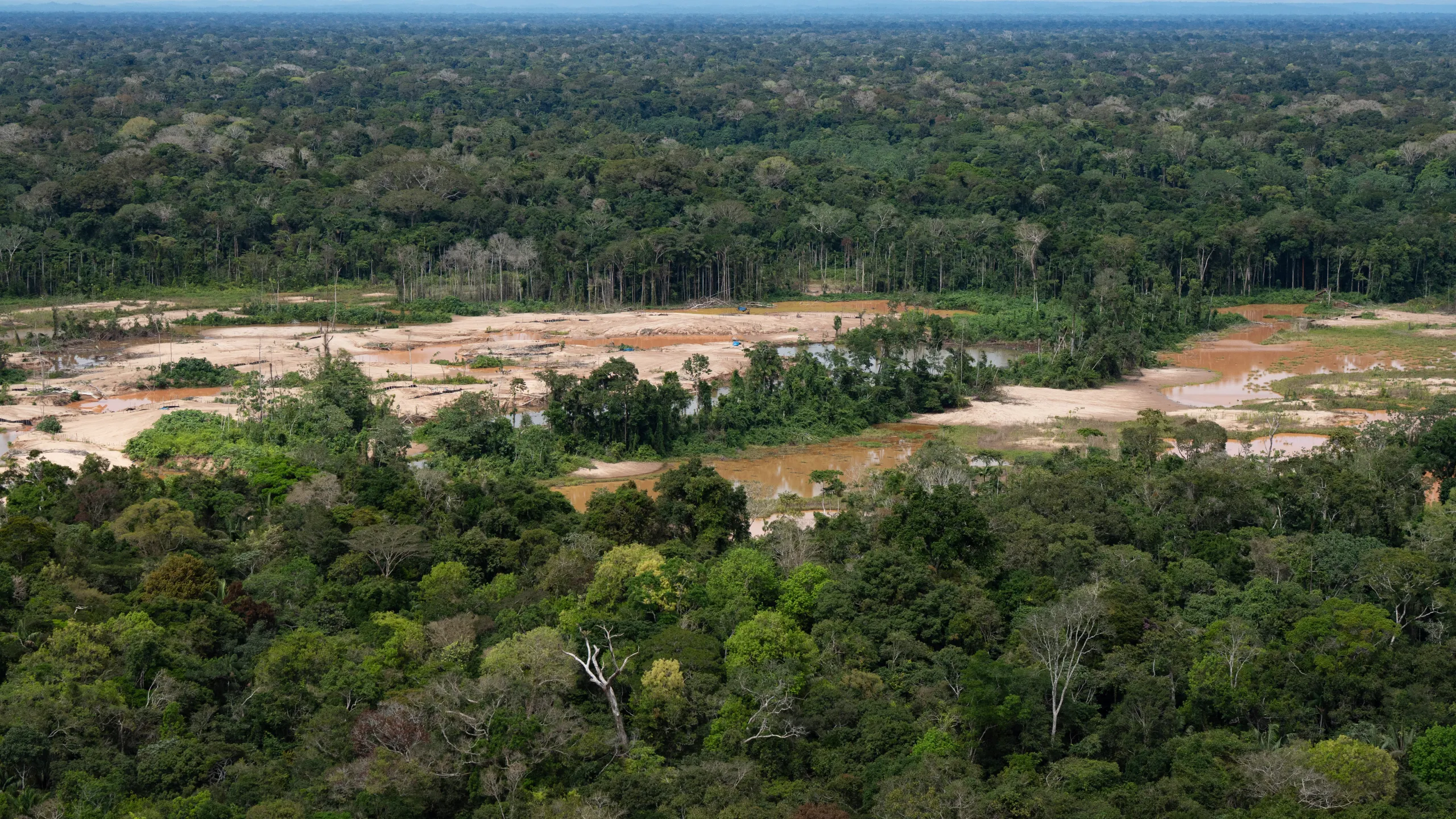
A human rights office is calling for stronger controls on technology used by criminal groups in Latin America to support illegal mining, logging and other activities that threaten forests and remote communities.
The Office of the Special Rapporteur on Economic, Social, Cultural and Environmental Rights, known as REDESCA, says satellite internet, drones and social media are helping criminal networks coordinate operations and expand into remote areas.
The office urged governments to “tighten controls” on the transfer and use of these technologies. It also called on companies to assess whether their products and services could be used by criminal groups.
Satellite internet services such as Starlink have reportedly been used to coordinate illegal mining operations, payments and transport. Drones are also used for surveillance and territorial control, while social media platforms have been used to advertise mercury, a toxic metal used in illegal gold mining.
According to the Armed Conflict Location & Event Data Project, about 670 incidents involving weaponized drones were recorded across Latin America between 2018 and August 2026. More than 72% occurred between January 2025 and August 2026. These figures cover wider armed violence and are not limited to environmental crimes.
The environmental damage is part of a wider global problem. The United Nations estimates that the world lost about 10 million hectares of forest each year between 2015 and 2020.
Separately, the UN Convention to Combat Desertification reported that at least 100 million hectares of healthy and productive land were degraded annually between 2015 and 2019, affecting food and water security worldwide. A 2025 UN report says land degradation undermines the well-being of about 3.2 billion people.
Forest destruction and illegal mining can pollute rivers, damage farmland, threaten wildlife and put the health and livelihoods of local communities at risk.
However, REDESCA says these technologies can also help protect forests. Satellite images, drones and digital mapping can help Indigenous communities detect illegal mining, deforestation and pollution.
The office is urging governments to strengthen oversight and hold companies accountable, while ensuring that technology helps protect communities and the environment rather than support criminal activity.

 Muhire Obed