
 Kwizera Yves Beni
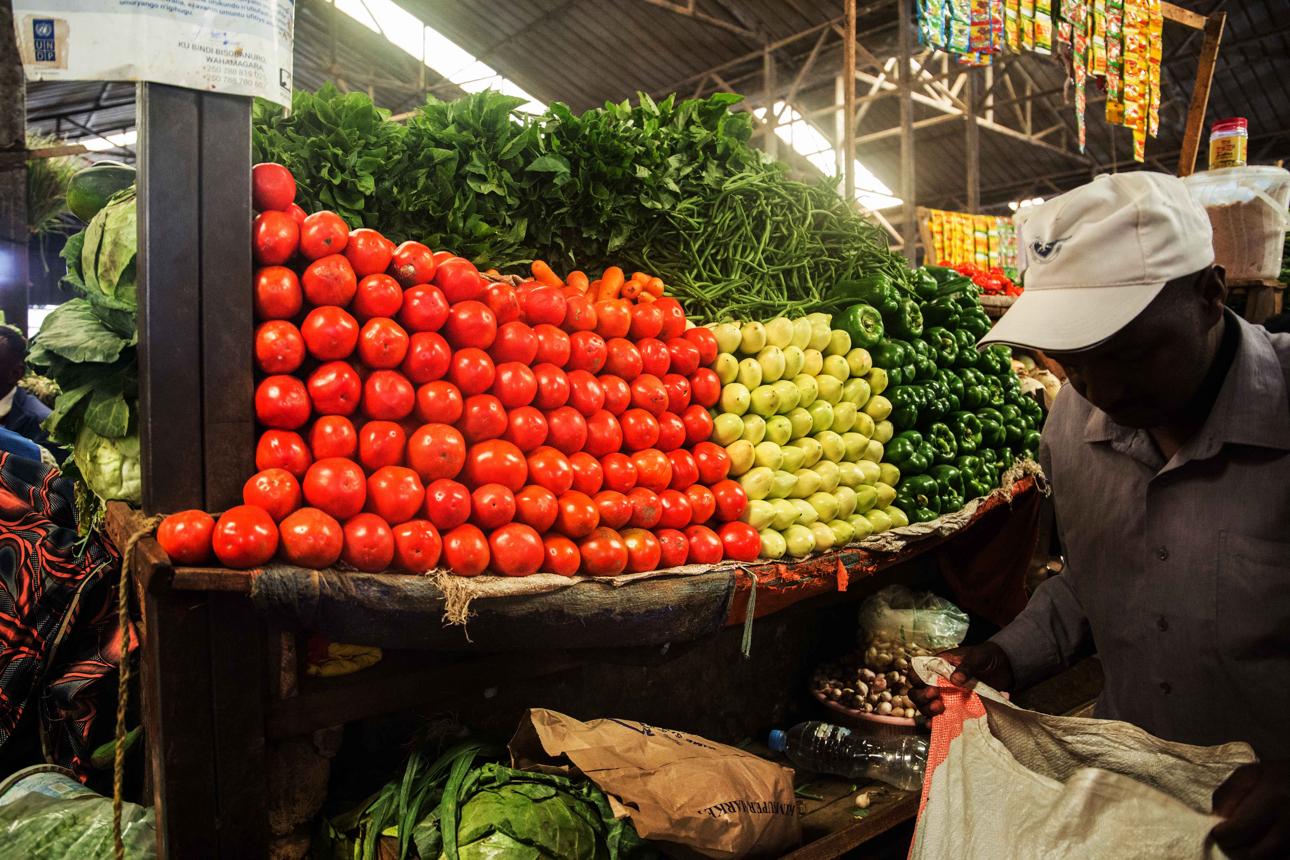
Agriculture remains one of the most important pillars of Rwanda’s economy. It supports millions of households, contributes to food security and provides livelihoods across the country. Despite its central role in people’s daily lives and national development, however, stories about farming and food production often receive less public attention than entertainment, celebrity news and viral social media trends.
The challenge is particularly visible among young audiences, many of whom use social media primarily for entertainment. At the same time, young people’s participation in agriculture is shaped by practical concerns, including access to land and finance, the cost of inputs, the physical demands of farming and the time required before investments generate returns.
Umuneza Aristide, a university student, says agricultural content does not always match what he and some of his peers expect when they open social media platforms.
“If someone tells me that people somewhere have planted a tree or crops, I will not necessarily give that story much attention because I am not interested in agriculture. When I open social media and start scrolling, I just want to be entertained, and agricultural content is not always entertaining,” he said.
Mukamisha Yvette a bystander says the content people encounter is also influenced by social media algorithms, which can make agricultural stories less visible to users who do not regularly engage with them.
“Whenever I open social media, I rarely see farming content. Introducing dedicated agricultural programmes for young people and reducing the dominance of showbiz content would make a major difference,” she said.
For young people from farming communities, the decision to pursue opportunities outside agriculture can also be influenced by what they see their parents experience. Some witness the hard work, financial risks and uncertainty associated with farming and look towards urban areas in search of alternative livelihoods.
Aboudurkalim Mwitende, popularly known as Buri Kantu, a Rwandan social media influencer, says the demanding nature of agriculture can discourage young people from entering the sector.
“We grew up seeing how demanding farming is. It requires a lot of effort and capital, while the harvest takes time. That is why many move to Kigali in search of what they consider easier opportunities. If more money and time were invested in the agricultural industry, I am sure more content creators would be drawn to it,” he said.

Beyond audience preferences, the way agriculture is covered in the media may also contribute to its limited visibility. Reporting on farming can go beyond announcing planting seasons or harvest results. It can examine the cost of seeds and fertilisers, access to markets, changing weather patterns, new technologies, farmers’ incomes and the challenges cooperatives face.
Political commentator and journalist Joseph Hakizumuremyi argues that agricultural reporting requires specialised knowledge and a better understanding of the sector’s changing priorities.
“Agriculture has evolved beyond traditional export crops such as coffee, tea and pyrethrum to commercial food crops like maize, wheat and Irish potatoes. Modern agriculture requires selected seeds, technical knowledge and investment. Journalists must understand policies and markets to translate complex topics into compelling stories,” he said.
Hakizumuremyi also points to the limited visibility of agricultural experts and a lack of funding for communication about farming practices. He says journalists need access to knowledgeable sources who can explain developments in the sector and help make technical information understandable to the public.
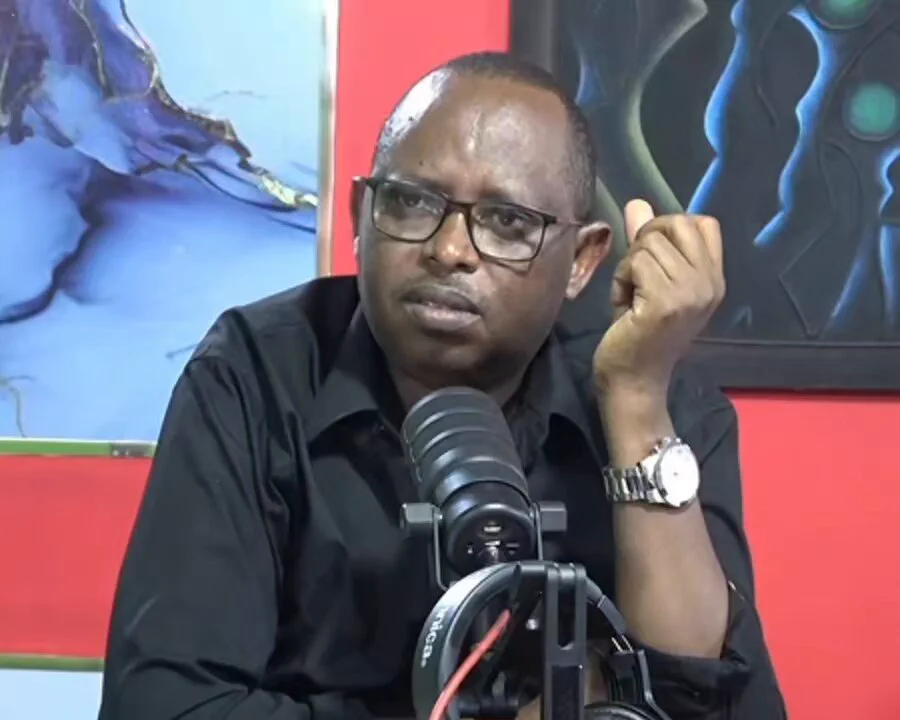
“Agricultural experts are nowhere to be seen compared with experts in other fields, and there is clearly also a lack of funding when it comes to communicating about agricultural practices,” he added.
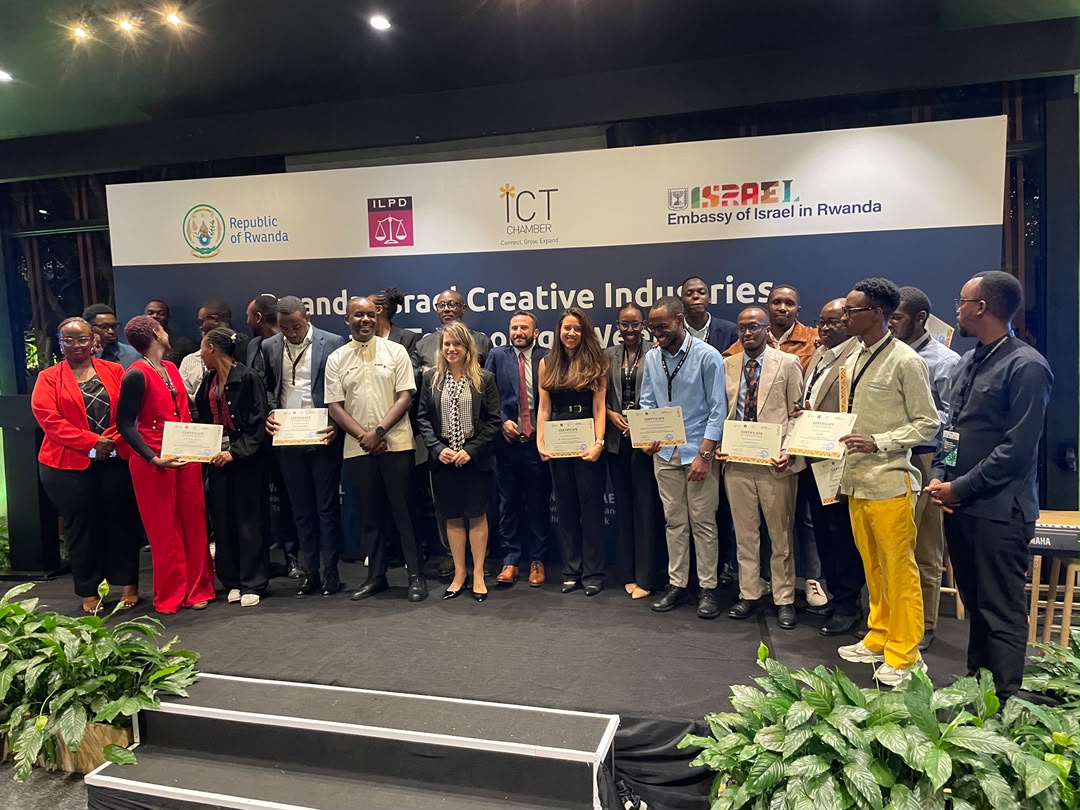
Public institutions say efforts are being made to bring agricultural issues closer to the public through media engagement. The Permanent Secretary of the Ministry of Agriculture and Animal Resources (MINAGRI), Dr Olivier Kamana, said the ministry organises media tours to help journalists and content creators learn about agricultural activities across the country.
“We regularly have media tours around the country, including the recent one we had on 29 October for World Food Day, where we invited mainstream journalists and social media influencers,” he said.
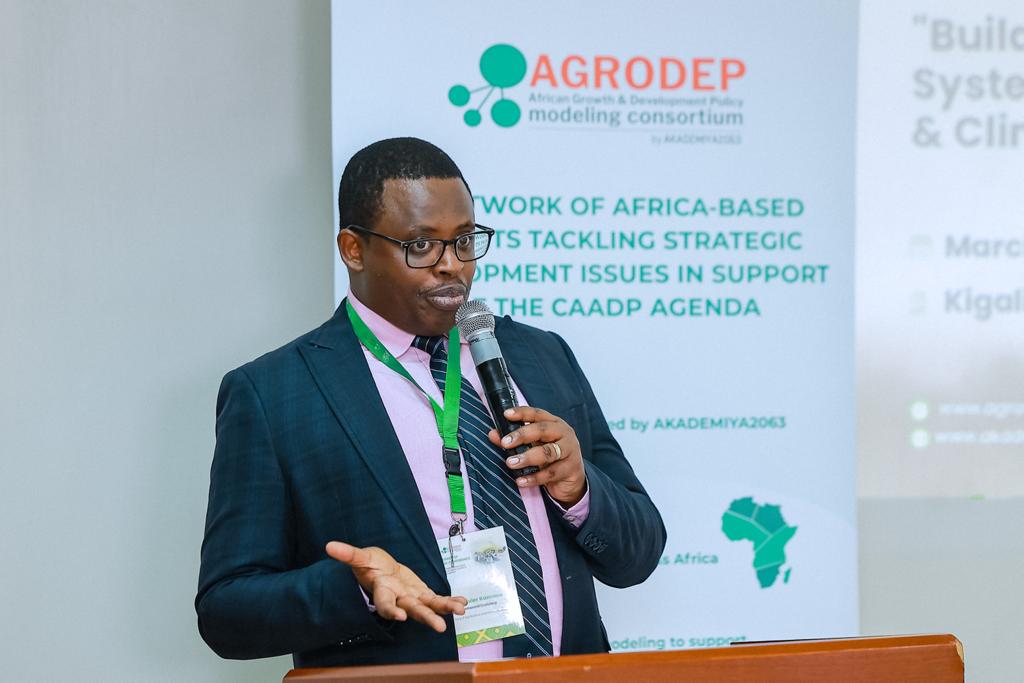
Kamana added that agricultural experts are available to respond to enquiries and direct journalists and other interested people to relevant sources. The date and year of the media tour should be confirmed with the ministry before publication.
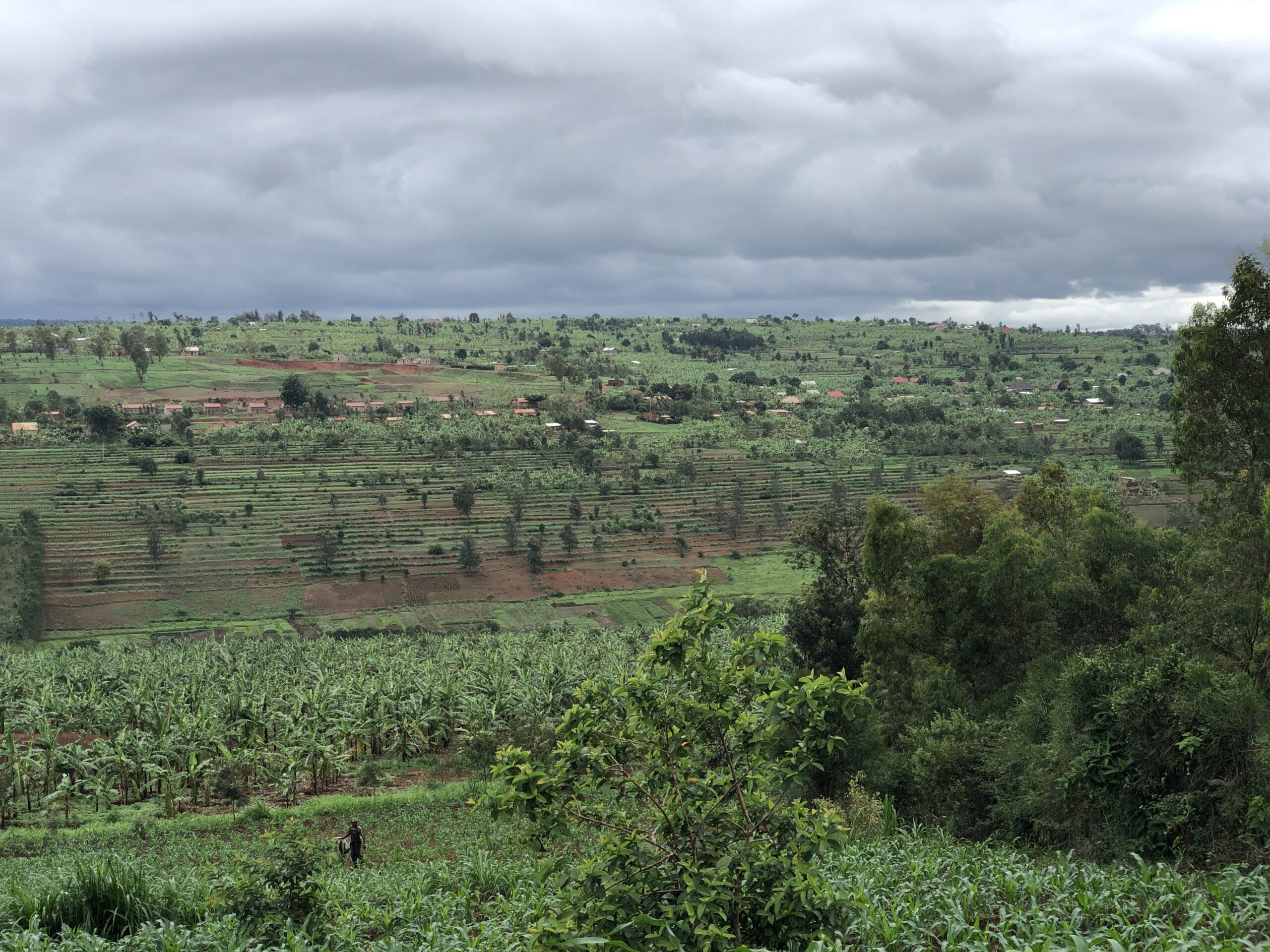
Data from the National Institute of Statistics of Rwanda (NISR) underline the sector’s importance. The 2024 Agricultural Household Survey estimates that 2.2 million households, representing 65.3 per cent of all households in Rwanda, are engaged in agriculture. About 3.6 million adults participate in agricultural activities, but young people aged 16 to 30 account for 30.7 per cent of them

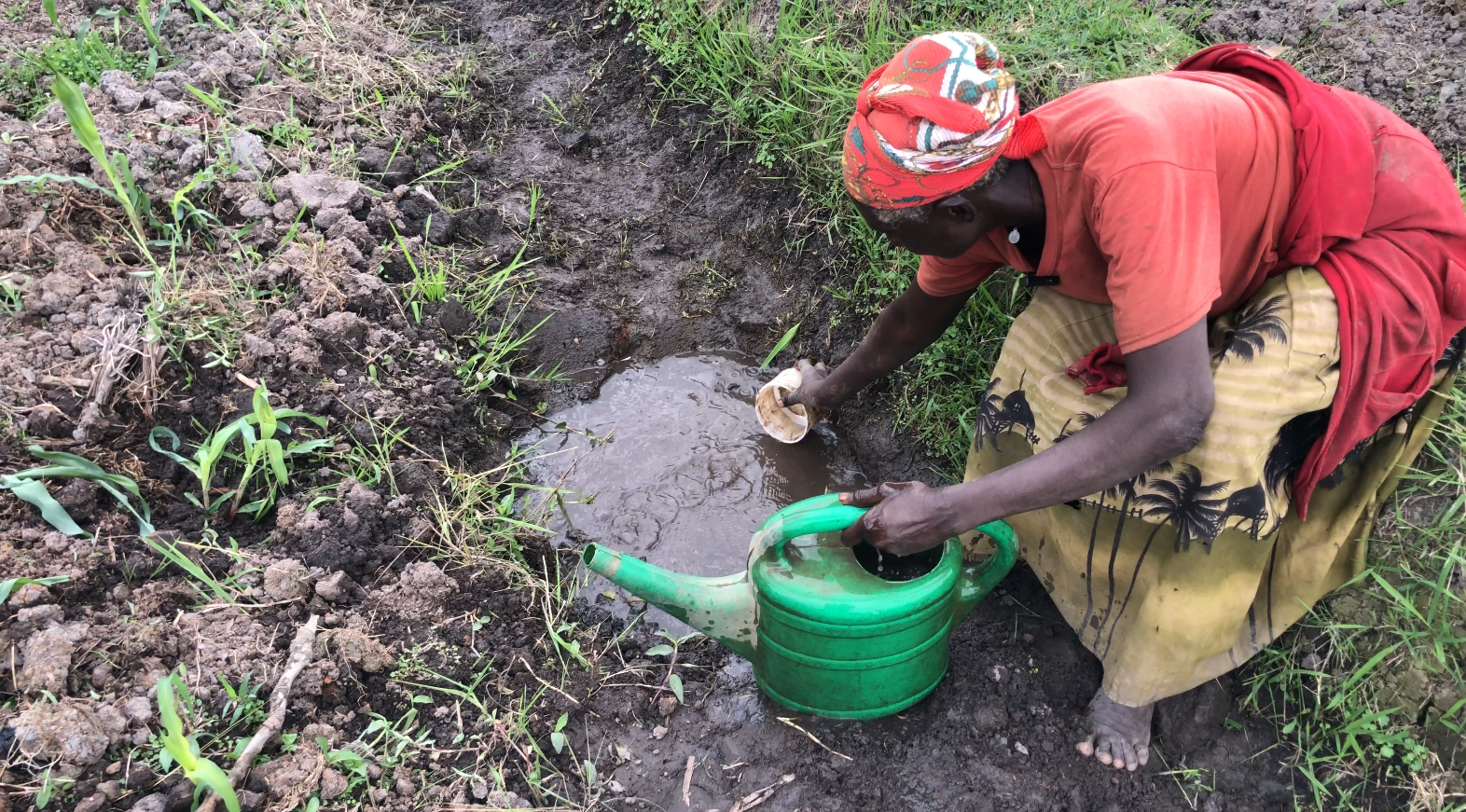
 RUSAGARA MUVUNANKIKO Valens
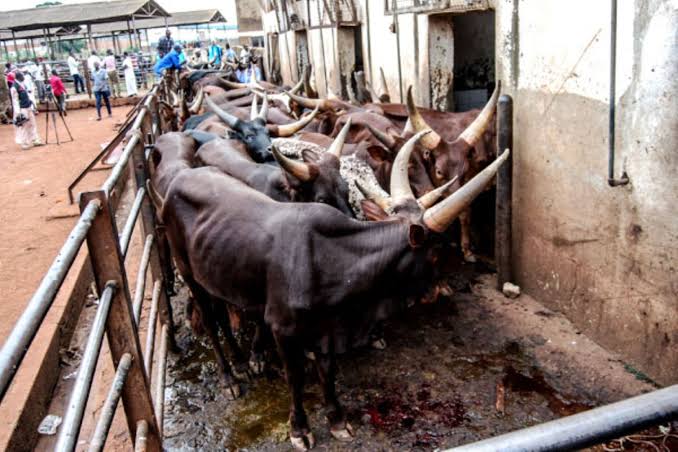
 Muhire Obed