
 Muhire Obed
Rwanda’s cost of living continues to rise sharply in October 2026 with food prices emerging as the main driver of inflation, according to the latest consumer price Index (CPI) report released by the National Institute of Statistics of Rwanda (NISR) today November 10th 2026
According to the National Institute of Statistics of Rwanda (NISR), the Consumer Price Index (CPI) increased by 26.5 percent in October 2026 compared with the same month last year. Prices also rose by 6.5 percent between September and October, reflecting a continued acceleration in the cost of goods and services.
The increase was particularly pronounced in rural areas, where annual inflation reached 31.3 percent, compared with 19.5 percent in urban areas. On a monthly basis, rural prices rose by 8.6 percent, while urban prices increased by 3.3 percent.
Food and non-alcoholic beverages remained the largest contributor to the country’s inflation, rising by 39.1 percent nationally over the year.
The category, which accounts for 39 percent of the national consumer basket, increased by 11.9 percent in October alone, contributing 18.6 percentage points to the overall annual inflation rate.
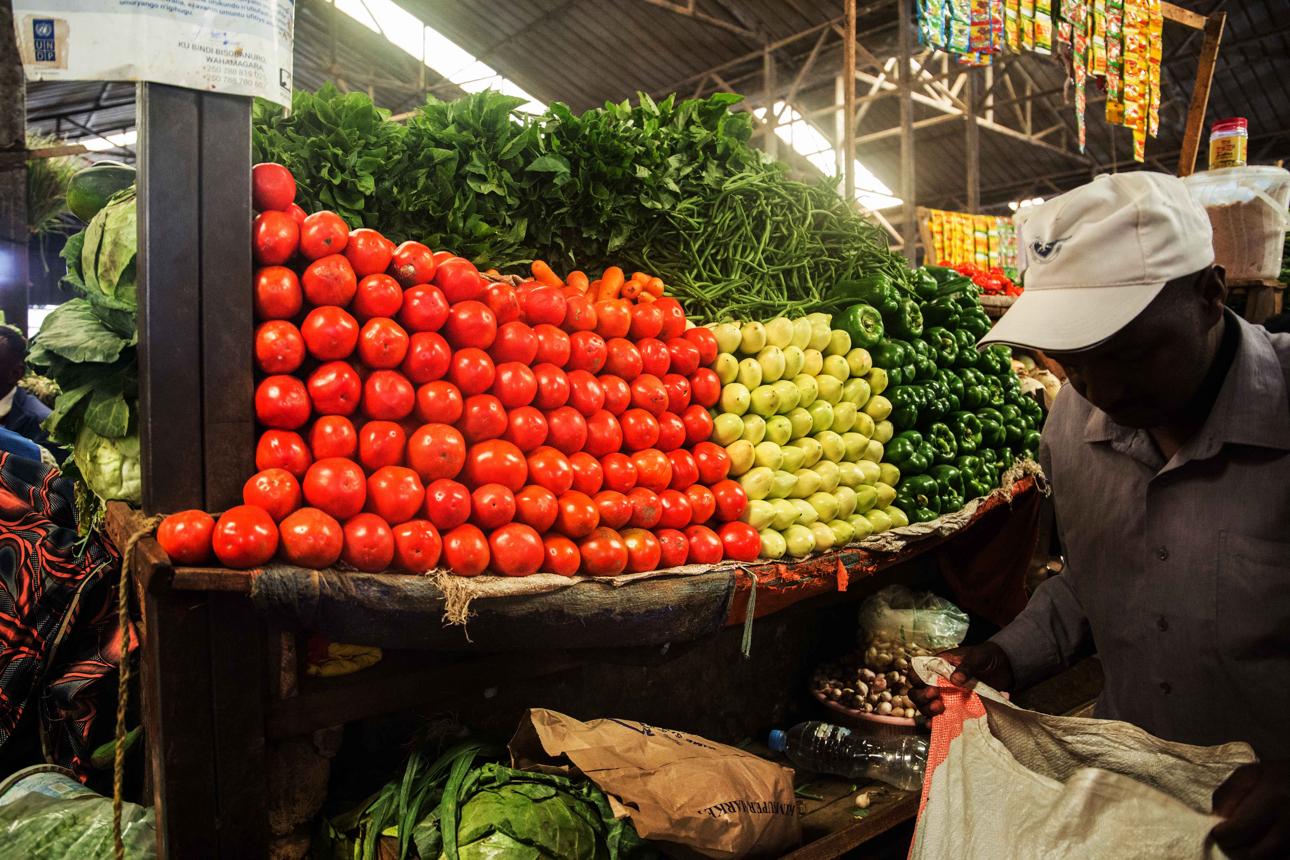
Vegetables recorded some of the steepest price increases. Their prices rose by 63.7 percent nationally compared with October 2025 and by 18.1 percent compared with September 2026.
Vegetables alone contributed 15 percentage points to annual national inflation, highlighting their significant influence on the rising cost of living.
The pressure was even greater in rural communities, where food and non-alcoholic beverages account for 48 percent of the consumer basket. The category increased by 43.5 percent annually and 13.6 percent monthly.
Rural vegetable prices surged by 65.7 percent over the year and 18.5 percent in October, contributing 20.4 percentage points to rural annual inflation.
In urban areas, food and non-alcoholic beverages increased by 28.9 percent annually and 7.8 percent monthly. Vegetables, which carry a nine percent weight in the urban consumer basket, rose by 56.4 percent compared with October 2025 and 16.5 percent compared with September.
Beyond food, other major categories also recorded notable increases. Transport prices in urban areas rose by 22.4 percent annually, while restaurants and hotels increased by 20.6 percent.
Housing, water, electricity, gas and other fuels recorded a 14.2 percent annual rise. These increases add pressure to household spending on essential services and daily activities.
The report also shows that inflation is not limited to fresh food. The underlying inflation rate in urban areas, which excludes fresh food and energy to reflect broader price trends, increased by 11.5 percent annually and 0.8 percent monthly. Meanwhile, the urban energy index rose by 36.3 percent over the year, and the fresh products index increased by 39.9 percent.
The latest figures indicate a significant acceleration in inflation throughout 2026. Rwanda’s annual inflation rate stood at 5.1 percent in October 2025 before rising to 7.5 percent in January 2026, 15.9 percent in August and 20 percent in September, reaching 26.5 percent in October.
Urban annual inflation similarly increased from 7.1 percent in October 2025 to 19.5 percent in October 2026, while rural inflation climbed from 3.8 percent to 31.3 percent over the same period.
NISR’s Consumer Price Index measures changes in the prices of goods and services purchased by households. The national basket includes 1,622 products, with the institute collecting more than 29,482 prices in urban areas and 10,744 in rural areas every month from markets, shops, hospitals, schools and other locations.


 RUSAGARA MUVUNANKIKO Valens