
 Daniel Nyionkuru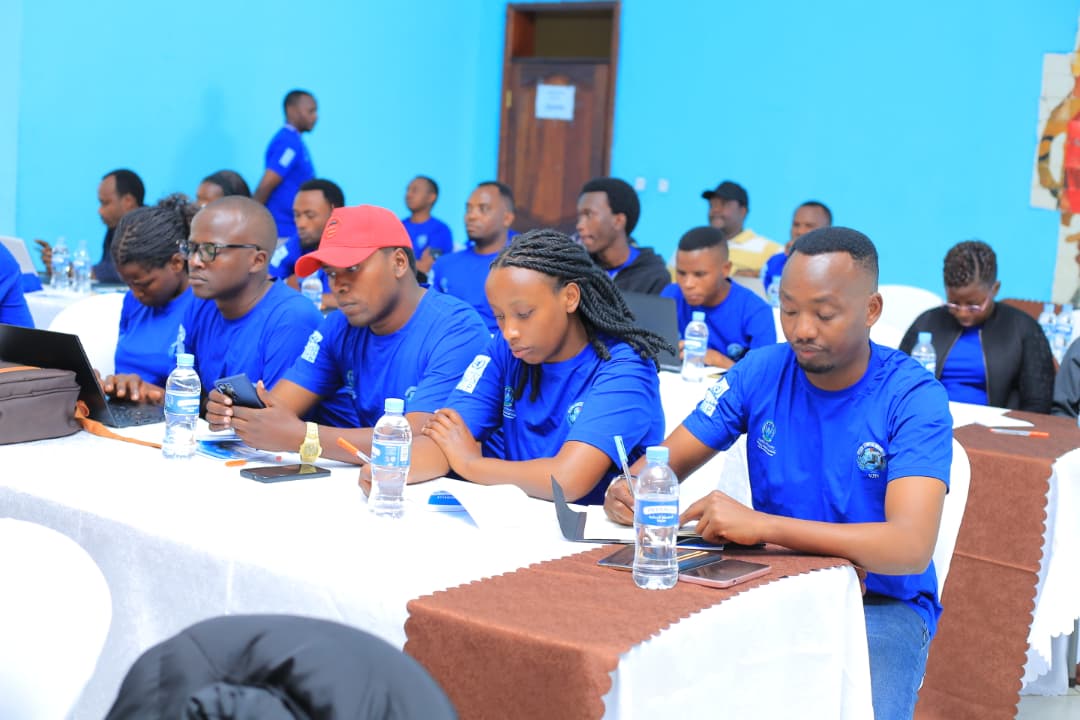
Young people from different parts of Rwanda have taken part in a training program designed to help them fight hate speech online and use technology as a tool for peace. The program, called “Preventing Hate Speech and Promoting Digital Peacebuilding in Rwanda,” brought together a group of young Rwandans known as Digital Peace Ambassadors. The training was organized by Vision Jeunesse Nouvelle, working together with the National Unity and Reconciliation Commission, known as MINUBUMWE, and the United Nations Development Program, UNDP.
At the opening of the training, Uwera Marie Alice Kayumba, the Director General in charge of National Unity and Civic Education at MINUBUMWE, said that while Rwanda has made remarkable progress since the 1994 Genocide against the Tutsi, a new challenge has appeared the misuse of social media. She warned that some people are using online platforms to spread hate speech, division, and denial or minimization of the Genocide, a behavior that threatens the unity Rwanda has worked so hard to rebuild.
“Today, one of the challenges we face in our history is the misuse of social media and technology, where some people use it to spread hate speech, division, and to deny or minimise the Genocide,” she said. She added that such harmful messages and content can have a serious effect on how young people think, and on the unity of all Rwandans.
Kayumba said the training was designed specifically to give young people the skills they need to deal with this problem. That includes learning how to read and question information critically, how to challenge false stories and hate speech, and how to create messages that build peace rather than destroy it.
“This training will give you the ability to understand all information, to analyse it, to challenge it widely, and to create good messages and play a role in building a society based on respect and complementarity,” she told participants.
The sessions covered several important topics, including the history of Rwanda, the national program called Ndi Umunyarwanda which means “I am Rwandan” and the difference between the right to express an opinion freely and the act of spreading hate speech on social media.
One of the strongest messages of the day came when Kayumba reminded young people that peace is no longer something built only by governments or in official meetings. In today’s world, she said, it is also built on social media through the words people share, the content they post, and the way they treat others online.
“Peace is not built only through meetings and government bodies. Today it is also built through social media, through the ideas we share and the way we behave in this world of technology,” she said.
She encouraged every young person in the room to use their voice not to divide, but to connect to build bridges rather than walls, and to spread truth rather than hate. “I encourage everyone to use their voice as a tool to build bridges, to spread trust rather than hate, and to promote truth,” she added.
The young people who took part in the training are expected to leave with new knowledge and practical skills. These will help them use social media responsibly, identify and report fake news, and stand against hate speech which officials noted is especially common among young people who spend a lot of time on the internet every day.
As Digital Peace Ambassadors, they are now expected to carry this message back to their communities and use what they have learned to make online spaces in Rwanda safer, more peaceful, and more truthful.
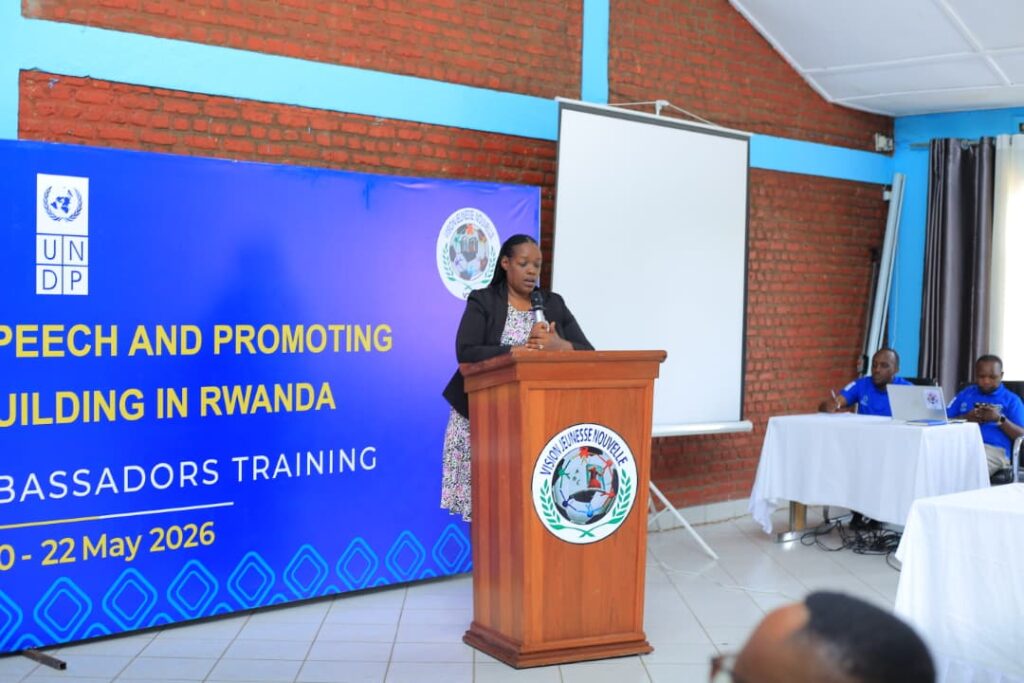 Uwera Marie Alice Kayumba, the Director General in charge of National Unity and Civic Education at MINUBUMWE


 RUSAGARA MUVUNANKIKO Valens