

 RUSAGARA MUVUNANKIKO Valens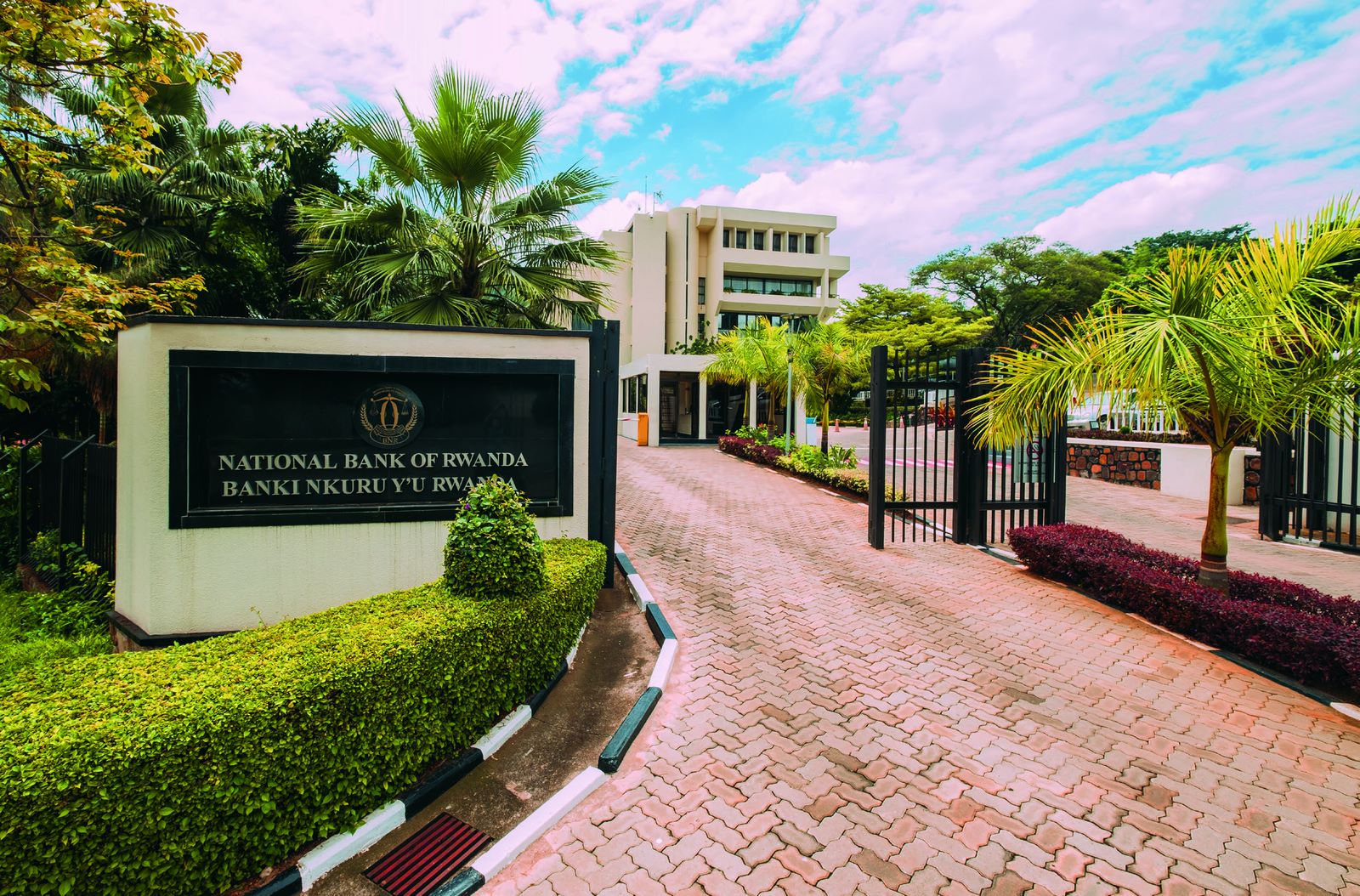
National Bank of Rwanda tightens monetary policy as price pressures intensify. Rwanda’s Monetary Policy Committee (MPC) has delivered its most aggressive interest rate hike in recent memory, lifting the Central Bank Rate (CBR) by 100 basis points equivalent to one full percentage point bringing it to 8.25 per cent. The move, announced on Thursday, 21 May, signals growing concern at the National Bank of Rwanda (BNR) over an inflation trajectory that is rapidly outpacing targets.
The Decision
Central Bank Governor Soraya Hakuziyaremye unveiled the committee’s verdict following a scheduled policy review meeting. The hike doubles the magnitude of the previous adjustment made just three months earlier, when the MPC raised the rate by 50 basis points to 7.25 per cent in February itself a response to mounting inflationary pressure at the time.
The back-to-back increases underscore the urgency with which policymakers are now treating Rwanda’s inflation challenge.
What Is driving Inflation?
Price pressures in Rwanda have escalated with notable speed. In the first quarter of 2026, headline inflation climbed to 9.1 per cent, up from 7.4 per cent recorded in the final quarter of 2025. The rise was broad-based, driven by increases across core goods, fresh food, and energy.
The situation has since worsened considerably. By March 2026, inflation had reached 9.2 per cent, only to surge further to 13 per cent in April a figure that sits well above the BNR’s target ceiling of 8 per cent and more than double the lower bound of 2 per cent.
Both global and domestic forces are at play. The BNR pointed to the ongoing Middle East conflict as a key external driver, particularly its effect on fuel and gas prices. Compounding this, the closure of the Strait of Hormuz has forced cargo vessels to re-route, pushing up transport costs internationally and feeding through to consumer prices domestically.
Revised inflation forecasts
In light of these developments, the BNR has significantly revised its inflation projections upward. Average inflation for the full year of 2026 is now expected to reach 13.9 per cent a marked revision from the 9.4 per cent forecast published as recently as February 2026.
The central bank, however, expects the situation to ease over the medium term. Headline inflation is projected to fall to approximately 7.4 per cent in 2027, drawing it back within or just below the upper boundary of the target band.
The policy rationale
Governor Hakuziyaremye defended the scale of the rate hike as a carefully calibrated response to extraordinary circumstances:
“The decision to increase the CBR is a measured step to bring inflation within our target band to safeguard price stability, which is a necessary condition to sustain economic growth.”
The BNR expressed confidence that the rate increase, combined with the effects of previous tightening, will be sufficient to steer inflation back within the 2–8 per cent target band by 2027 and towards the 5 per cent medium-term objective thereafter.
Knock-On effects in the banking sector
The policy tightening is already making itself felt in the broader financial system. The interbank market rates the rate at which commercial banks lend to and borrow from one another on a short-term basis rose to 7.13 per cent in the first quarter of 2026, compared with 6.77 per cent during the same period in 2025. Further upward movement is expected as the latest rate adjustment filters through.
Risks on the horizon
Despite the optimistic medium-term projections, the Governor was candid about the uncertainties ahead. She flagged lower agricultural production and a prolonged conflict in the Middle East as the principal risks that could complicate or derail the inflation outlook factors that are, to a significant degree, beyond the control of domestic monetary policy.
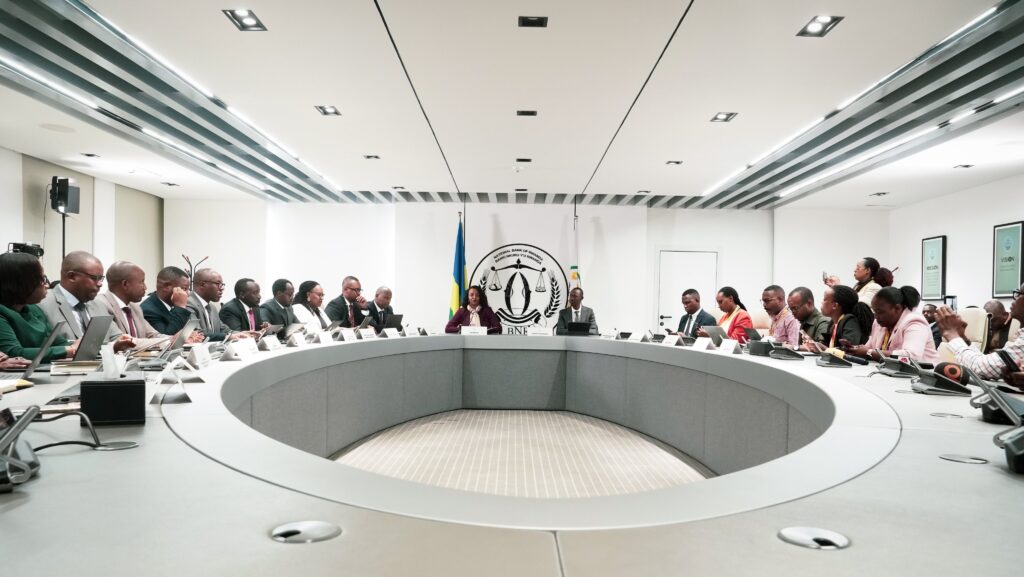 National Bank of Rwanda Governor Soraya Hakuziyaremye addresses the press following the Monetary Policy Committee


