
 RUSAGARA MUVUNANKIKO Valens
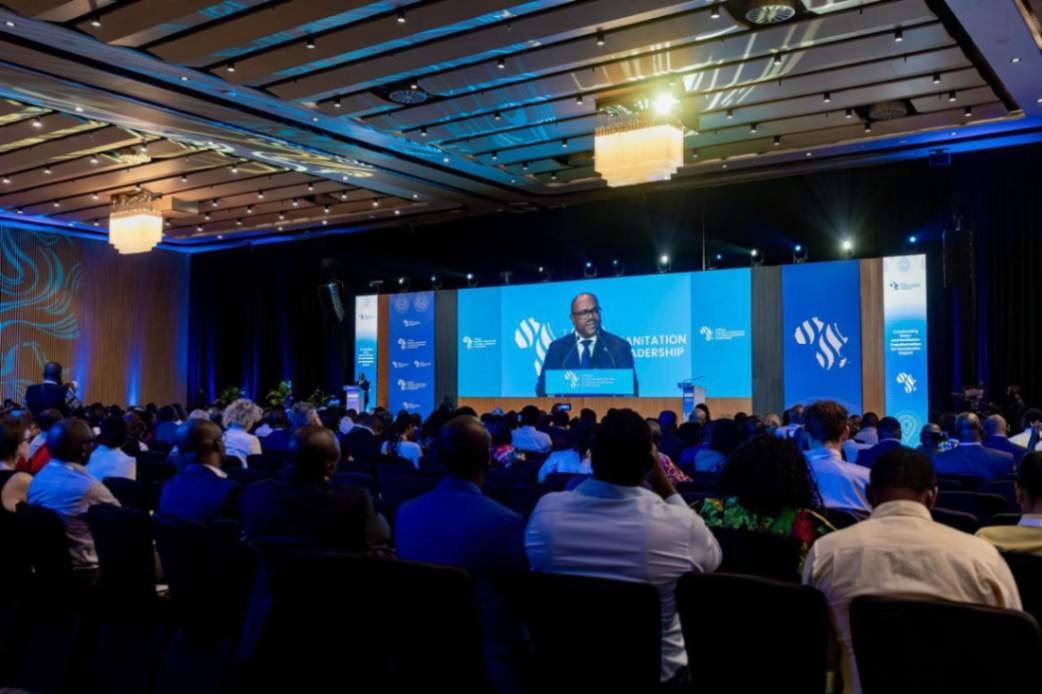
The Africa Water and Sanitation Systems Leadership Symposium 2026 has opened at the Kigali Convention Centre, bringing together African leaders, policymakers, economists, experts and other stakeholders to discuss sustainable solutions to the continent’s water, sanitation and hygiene challenges.
The symposium is focusing on the investments, governance systems and institutional reforms needed to improve access to reliable water and sanitation services across Africa. Participants are also examining how countries can strengthen institutions to attract and effectively manage the financing required to address persistent gaps in water and sanitation infrastructure.
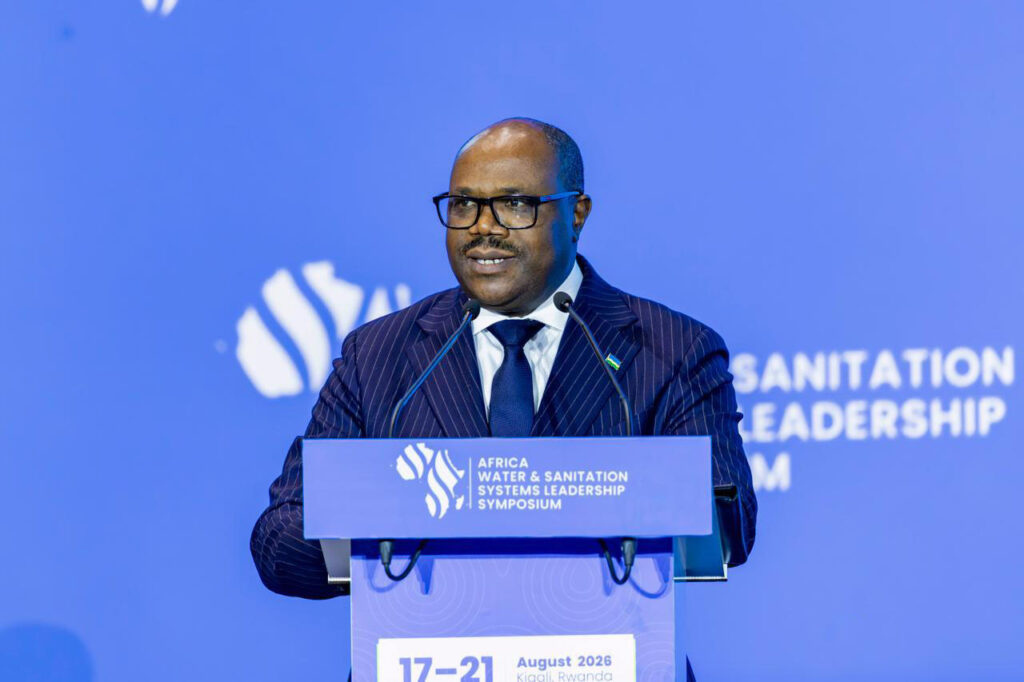
Opening the symposium on Tuesday in Kigali, Rwanda’s Prime Minister, Dr. Justin Nsengiyumva, said Africa still has significant work to do to achieve the Sustainable Development Goals on water and sanitation, with only four years remaining until the 2030 deadline.
“The real test of this week will not be what we sign here in Kigali, but what changes when we return home in the quality, reliability, and sustainability of the water and sanitation services our people receive,” Dr. Nsengiyumva said.
The Prime Minister urged African countries to move beyond repeated discussions about financing and instead focus on building strong institutions capable of attracting investment and delivering results.
“We should not be misguided into repeating the same old conversations around where money will come from, rather, we should think about how we build the kind of institutions that money wants to find,” he said during the opening plenary.
Dr. Nsengiyumva also emphasized that constructing infrastructure alone cannot guarantee improved access to water and sanitation. He said the long-term functionality of infrastructure and its ability to serve communities should be the ultimate measure of success.
“Building infrastructure is important but to a large extent, it is only the beginning. Ensuring that the built infrastructure functions effectively and reaches communities over the long term, is the real measure of success,” he said.
Infrastructure Minister Damien Murwanashyaka echoed the call for a broader approach, saying Africa’s rapidly growing population and economies require water and sanitation systems that are not only expanded, but also safe, reliable and resilient.
“Our challenge is not simply building more infrastructures, we must build reliable, safe, resilient, sustainable water and sanitation system that can serve our growing population and economies over a long term,” Murwanashyaka said.
Cheikh Tidiane Dieye, Senegal’s Minister of Hydraulics and Sanitation and President of the Council of African Ministers in charge of Water (AMCOW), called for stronger action to address water insecurity across the continent.
“Africa must no longer settle for merely conducting diagnostics, identifying, and describing its water crises. It must now build genuine water security across the entire continent,” Dieye said.
The symposium is also attracting international partners, including representatives from the United Arab Emirates. Abdulla Ahmed Balalaa, UAE Assistant Minister of Foreign Affairs for Energy and Sustainability, praised Rwanda’s approach to addressing water scarcity and expressed confidence in the country’s strategies.
“We are quite familiar with the strategies and frameworks that Rwanda has set objectives around, and we are sure these will be accomplished in such a great country like Rwanda,” Balalaa said.
The discussions in Kigali come at a critical time for Africa as countries seek to expand access to essential water and sanitation services while dealing with population growth, urbanization, climate pressures and financing challenges.
The symposium is expected to provide a platform for African leaders and development partners to strengthen cooperation and identify practical approaches to investment, governance and service delivery. Its success, however, will ultimately be measured by whether the commitments made in Kigali translate into better and more sustainable water and sanitation services for communities across the continent.

 Muhire Obed