
 RUSAGARA MUVUNANKIKO Valens
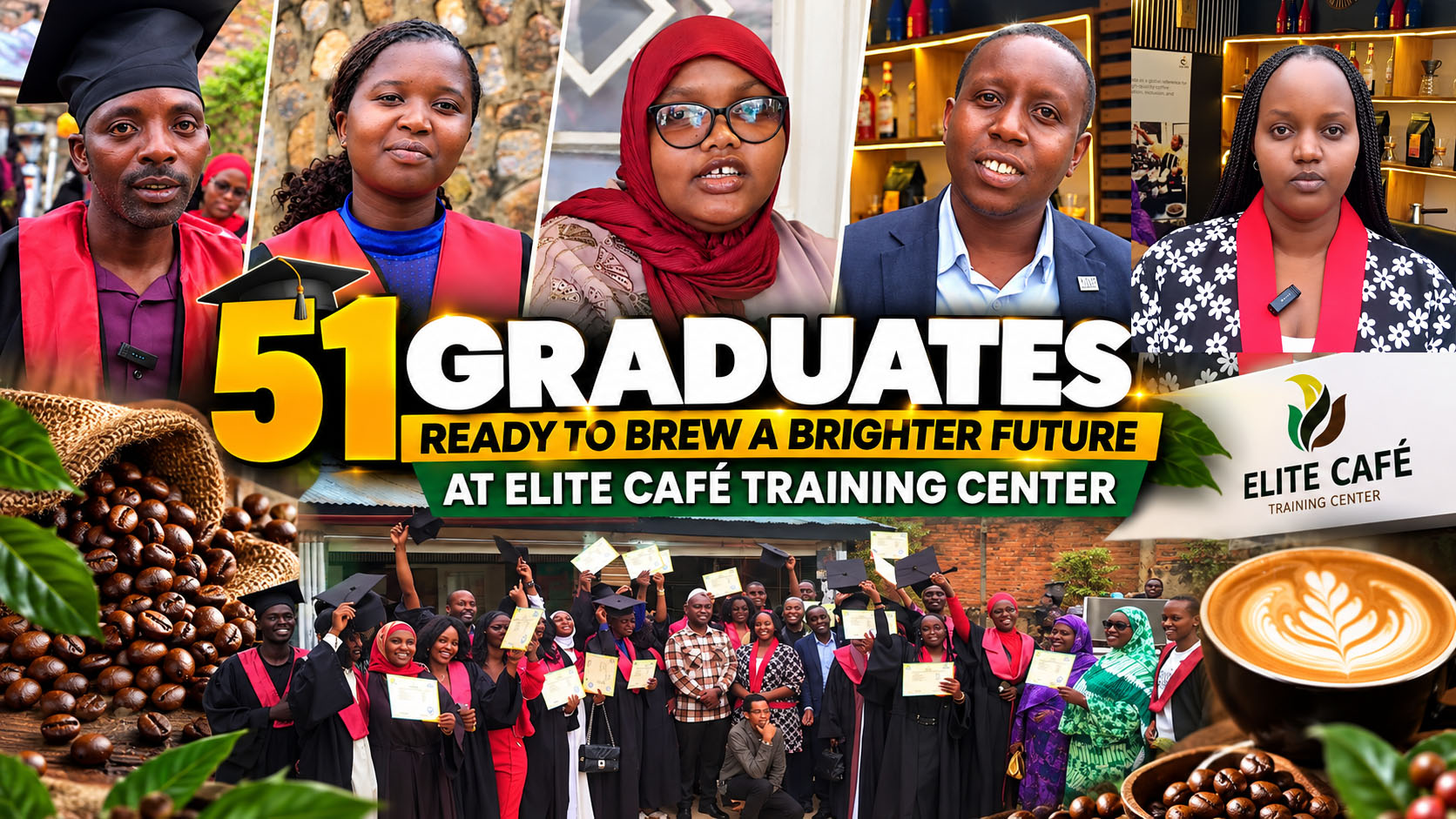
For some young people, coffee is simply a drink. For others, it is becoming a profession, a source of employment and a path toward entrepreneurship.
At Elite Café Training Center, coffee is being presented as more than a beverage. The training center is building a growing community around coffee, helping young people acquire practical skills while connecting them to employment and business opportunities.
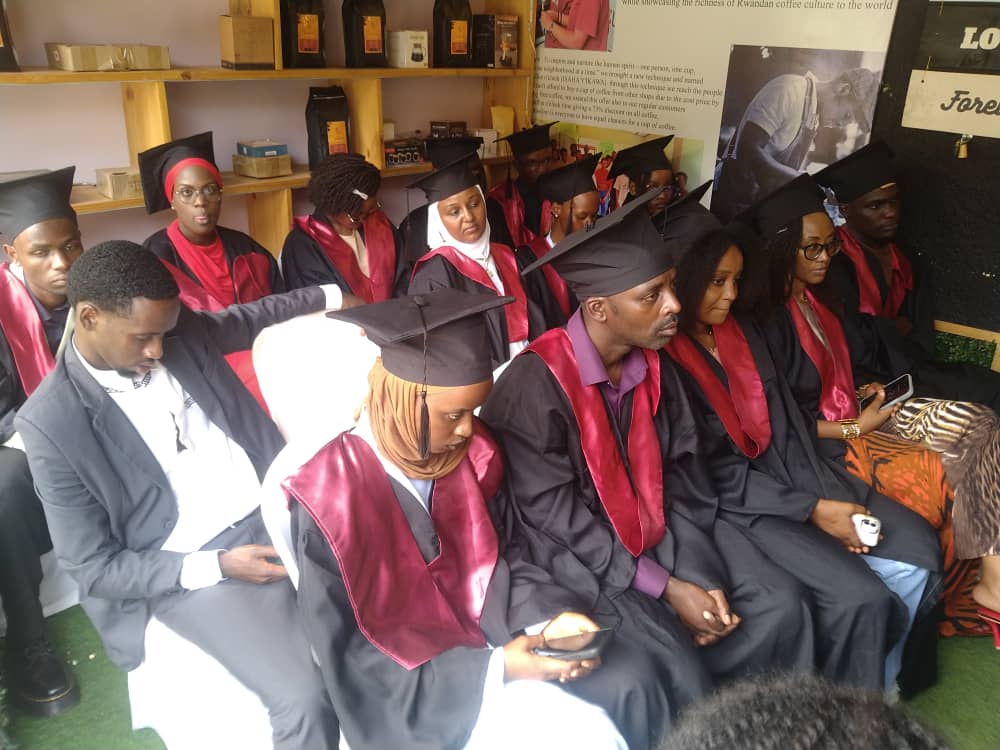
The center recently celebrated the completion of short-term training for 51 students, who received certificates through a partnership between Elite Café Training Center and the Rwanda TVET Board (RTB). The certificates mark an important step for the graduates, as they provide formal recognition of the practical skills they have acquired in coffee preparation and related areas.
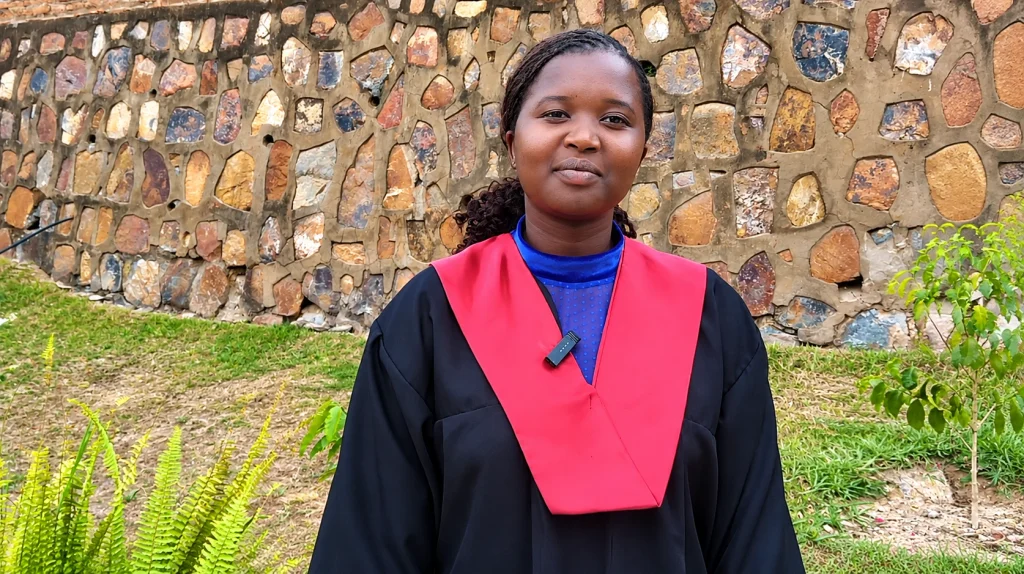
Among the graduates is Igiraneza Iris, who studied Food Science in secondary school before choosing to specialize in coffee. She joined Elite Café Training Center in 2024 and later secured employment through the skills she acquired.
For Iris, receiving a certificate recognized by the government is more than just an achievement. It is also a motivation to help other young people discover opportunities in the coffee industry.
“I am happy to have received a certificate that is recognized by the government. My goal now is to share what I have learned with other young people and help them understand the opportunities available in the coffee sector,” Iris said.
She also dreams of becoming an entrepreneur.
“I would like to have my own coffee shop in the future. Elite Café has shown me that coffee can become a real profession and a business opportunity,” she added.
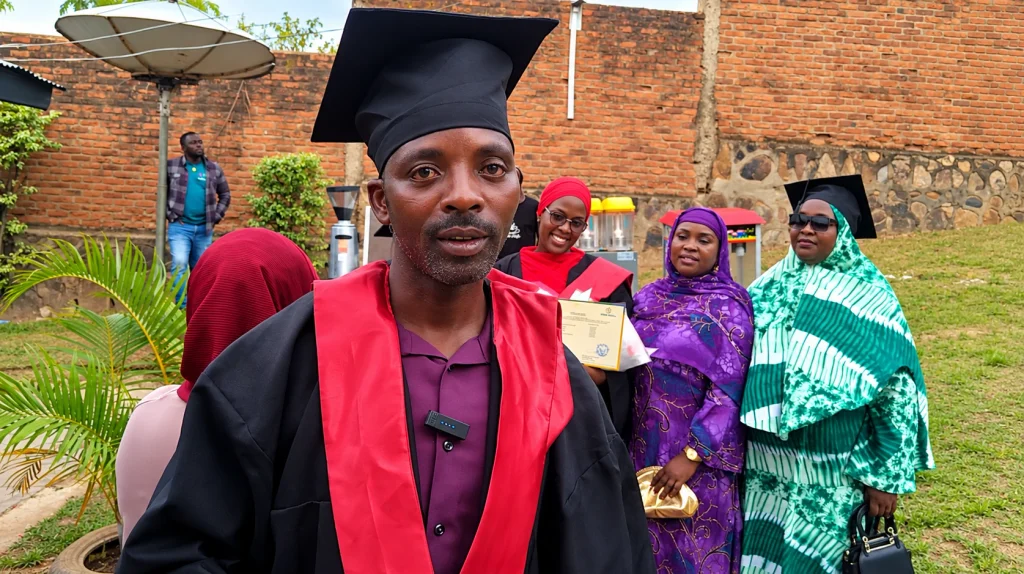
Another graduate, Ndemezo Antony, travelled from Nyagatare District to Kigali without much knowledge about coffee. Although coffee was grown in his home area, he said he had never fully understood its value or the opportunities it could create.
His curiosity changed that. After arriving in Kigali, Antony became interested in learning about coffee and eventually enrolled at Elite Café Training Center. Today, he says the training has changed his understanding of a product he had grown up seeing around him.
“Back home in Nyagatare, I used to see people growing coffee, but I did not really understand what coffee could offer. When I came to Kigali, I became curious and decided to study it,” Antony explained.
The father of two has now secured a job in Kigali, giving him an opportunity to put his new skills into practice.
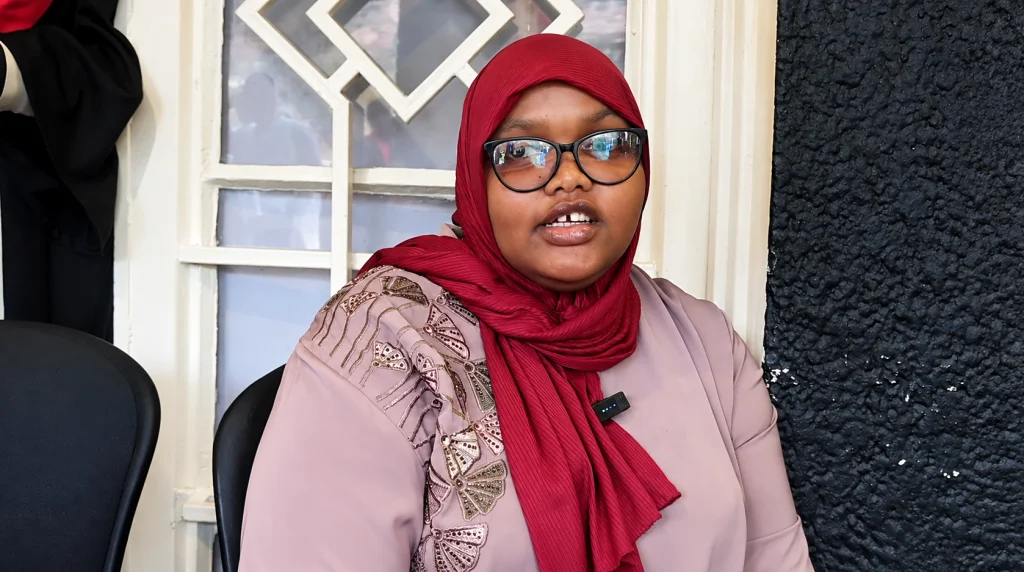
For Umutoniwase Schemsa a parent, said coffee has become a family story.
She says her family has experienced several opportunities through Elite Café Training Center. Her brother studied at the center and later secured a job in Oman, where he has become an important source of support for the family. Her young sister also has now completed her own training at the same institution.
“Coffee and Elite Café Training Center have brought a special opportunity to our family. My brother studied here and later got a job in Oman. Today, my young sister have also completed the training, and it is another opportunity for our family,” Schemsa said.
She expressed appreciation for the role the training center has played in their lives.
“I am grateful for everything Elite Café has done for us. Sometimes I ask myself where our family would be without these opportunities,” she added.
A journey that started with baristas
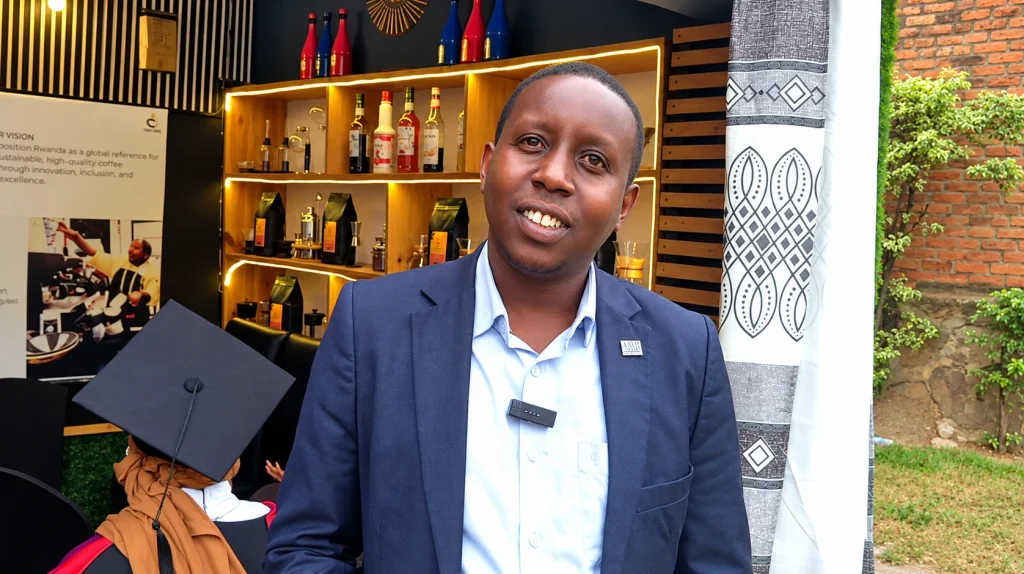
For Antony Chege, a hospitality professional with over 10 years of experience, the growth of Elite Café Training Center is a story of persistence.
Chege has followed the development of the center from its early days and says its current achievements were not necessarily expected when it was established.
“When Elite Café Training Center started, I don’t think many people imagined that it would reach this level. But year after year, it continued to grow,” Chege said.
He believes the recognition of the training through certificates issued in partnership with RTB represents an important milestone.
Chege also pointed to the journey of the founders, who started as baristas before building an institution that now contributes to skills development and employment.
“The founders started as baristas, and today they are contributing to the development of the country through skills training, employment and the coffee sector. That journey itself is an achievement,” he said.
He believes young people should look at coffee as a modern profession rather than limiting it to farming or serving a beverage.
“Young people need to understand that coffee is a modern profession. It can provide employment and income. They should consider gaining professional skills in this sector because there are real opportunities,” Chege said.
Elite Café’s bigger vision
Speaking on behalf of Elite Café Training Center, Annet Muhorakeye described the RTB-recognized certificates as the fulfilment of a long-standing ambition.
“We thank God that today we are giving our students certificates recognized by RTB. This is different from the certificates we used to provide and it is something we have been working and hoping for,” Muhorakeye said.
But according to her, the certificate ceremony is only one part of a much bigger vision.
Elite Café wants to grow beyond being a training center and become a major brand in the coffee industry, both in Rwanda and internationally.
“Our vision is to build a strong coffee brand that can reach different parts of the world. We want Elite Café to become a recognized name in the coffee industry,” she said.
The center also has an ambition to become a Coffee Hub, bringing different coffee-related services and opportunities together under one roof.
“In the coming years, we want Elite Café to become a Coffee Hub. If someone needs coffee equipment, they should be able to come to Elite Café. If someone needs a trained coffee worker, they should come to us. If they need anything related to coffee, we want Elite Café to be a place where they can find it,” Muhorakeye explained.
From training to employment and entrepreneurship
According to figures provided by the training center, nearly 1,000 people have received training since it began offering coffee-related education.
Of these, about 450 people have found employment in Rwanda, while approximately 160 have secured jobs outside the country.
Many of those working abroad are employed in countries in the Middle East, including the United Arab Emirates, Qatar, Oman, Bahrain and Saudi Arabia. Others have found opportunities in neighbouring African countries, including Uganda, Kenya and Tanzania.
The center also reports that 55 people are now running their own businesses, with many receiving support from Elite Café in starting their businesses and accessing equipment.
For the 51 graduates who completed the latest training programme, the certificates therefore represent more than the end of a course. For many, they are a bridge to employment, entrepreneurship and a deeper understanding of Rwanda’s coffee value chain.
As Rwanda continues to develop its coffee sector, institutions such as Elite Café Training Center are positioning coffee skills as part of a wider employment and entrepreneurship ecosystem.

 Ibyimana Cofi
 Muhire Obed