 Muhire Obed
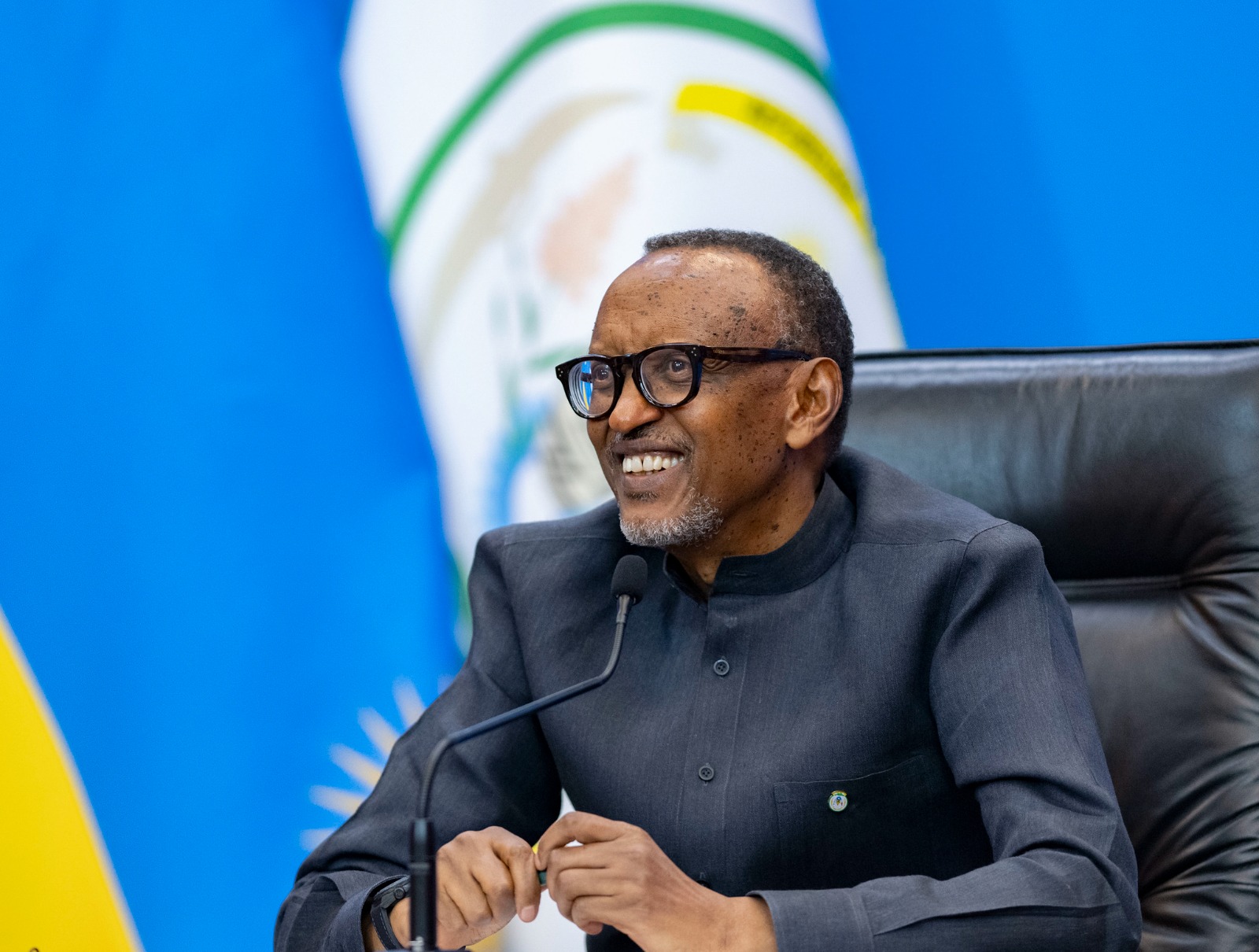
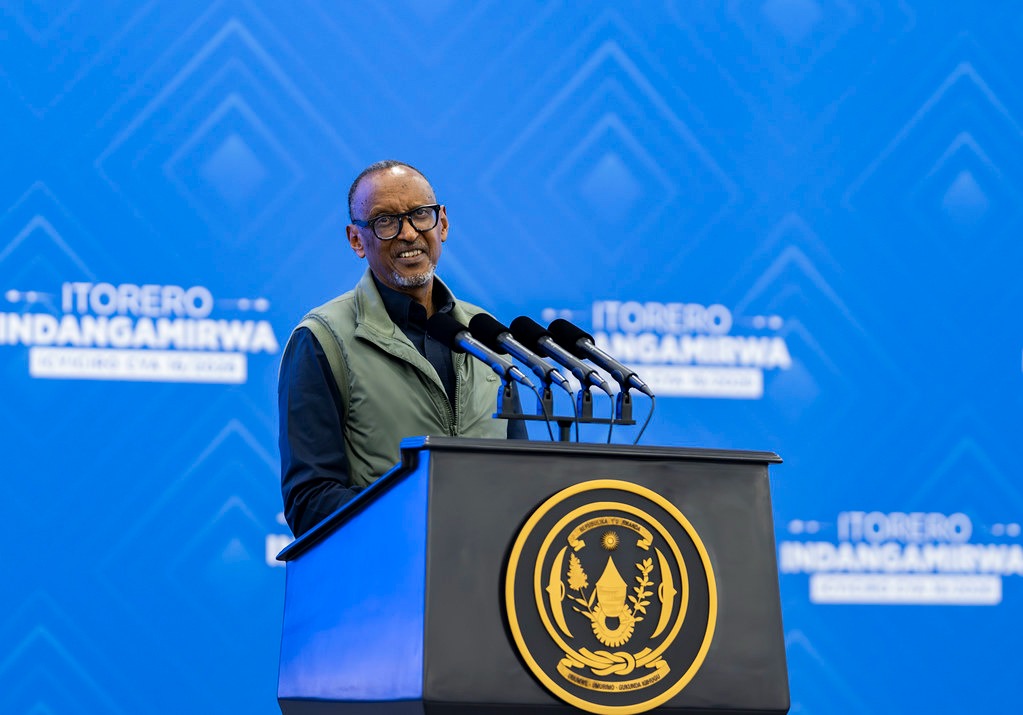
Today, October 23, 2026, marks the 69th birthday of His Excellency President Paul Kagame, a transformative figure whose leadership has fundamentally reshaped Rwanda over the past three decades.
From leading the forces that ended the 1994 Genocide against the Tutsi to spearheading one of Africa’s most notable economic turnarounds, Kagame’s legacy remains central to Rwanda’s modern history.
Across the capital city of Kigali and throughout the country’s provinces, citizens, leaders, and international partners reflect on a journey defined by resilience, innovation, and national rebuilding.
Born on October 23, 1957, in Tambwe, in Rwanda’s Southern Province, Kagame’s early life was intimately tied to the socio-political turbulence of the region. Forced into exile with his family during the anti-Tutsi political violence of 1959–1960, he spent his childhood in refugee camps in neighboring Uganda.
This experience in exile forged a lifelong commitment to national unity and sovereignty. In the late 1970s and 1980s, Kagame played a pivotal strategic role in regional resistance movements, receiving advanced military education at the U.S. Army Command and General Staff College at Fort Leavenworth, Kansas.
In July 1994, as Commander of the Rwandan Patriotic Army (RPA) the armed wing of the Rwandan Patriotic Front (RPF) Kagame led the campaign that halted the 100-day Genocide against the Tutsi. He subsequently served as Vice President and Minister of Defence during the delicate post-conflict transition before being sworn in as President of the Republic of Rwanda in April 2000.
Under President Paul Kagame’s leadership, Rwanda has transformed from a country devastated by the 1994 Genocide against the Tutsi into a growing economic hub recognised for its modern infrastructure, governance reforms and development ambitions.
Through strategies such as Vision 2020 and Vision 2050, Rwanda has promoted economic growth, attracted foreign investment and established Kigali as a leading destination for international conferences.
Innovation and digital transformation have been central to this progress. Rwanda has expanded digital infrastructure, introduced online public services through Irembo and pioneered drone-based medical deliveries, improving access to essential supplies in healthcare facilities.
President Kagame has also championed international partnerships to promote Rwanda’s tourism and investment opportunities. Through the Visit Rwanda campaign, the country established high-profile partnerships with football clubs including Arsenal, Paris Saint-Germain (PSG) and Atlético de Madrid, gaining global visibility among sports fans.
Rwanda has also secured a landmark 10-year agreement to host a Formula 1 African Grand Prix in the early 2030s, announced in October 2026. These initiatives aim to strengthen Rwanda’s international profile, attract visitors and investors, and create opportunities in tourism, sports and business.
National unity and reconciliation have also remained priorities. Initiatives such as Ndi Umunyarwanda and the Gacaca courts have contributed to efforts to rebuild trust, promote accountability and strengthen social cohesion following the 1994 genocide.
Gender equality is another significant achievement, with women consistently holding more than 60 percent of seats in Rwanda’s Chamber of Deputies, making the country a global leader in women’s parliamentary representation.
In healthcare and social protection, programmes such as Mutuelle de Santé and Girinka have helped expand access to medical services, improve household nutrition and support vulnerable families. Together, these initiatives reflect the government’s commitment to reducing poverty, improving living standards and advancing Rwanda’s socio-economic transformation.
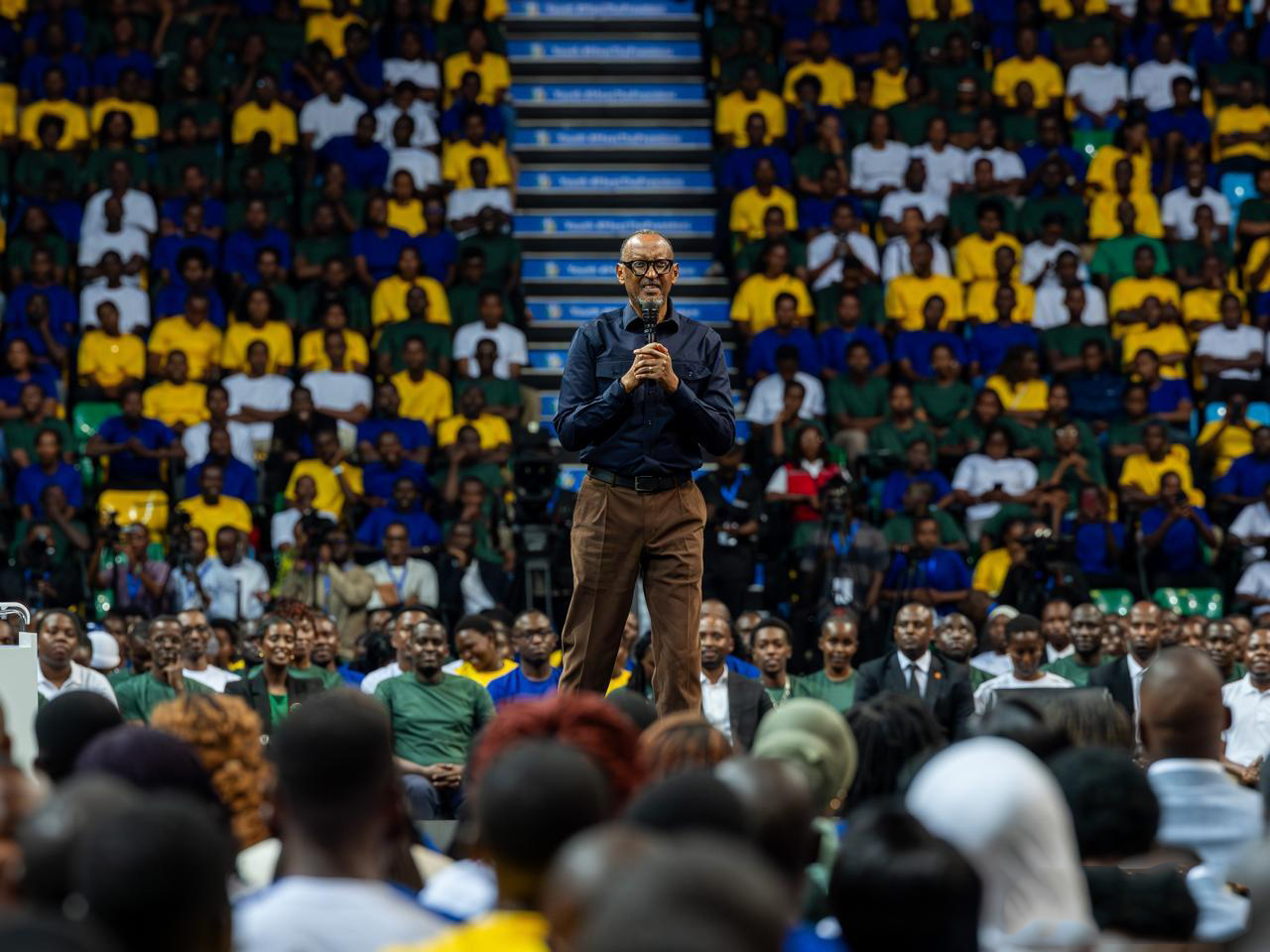
President Kagame’s tenure is characterized by a strong emphasis on accountability and direct public dialogue. Through regular citizen outreach tours and the annual national dialogue council (Umushyikirano), Rwandans from all walks of life directly address government officials, voice grievances, and propose solutions.
His governing philosophy stresses “Agaciro” a Kinyarwanda concept encapsulating self-reliance, dignity, and self-determination. This approach has earned him deep respect among the citizenry and established a distinct model of African self-sufficiency on the global stage.
As President Paul Kagame enters his 70th year, the Rwandan government remains focused on its long-term ambition to achieve upper-middle-income status by 2035 and high-income status by 2050.
For the people of Rwanda, today’s milestone offers a moment to honor a leader whose life path mirrors the nation’s own journey: rising from adversity to build a stable, modern, and dignified society.

 RUSAGARA MUVUNANKIKO Valens
 Daniel Ngendahimana