
 Muhire Obed
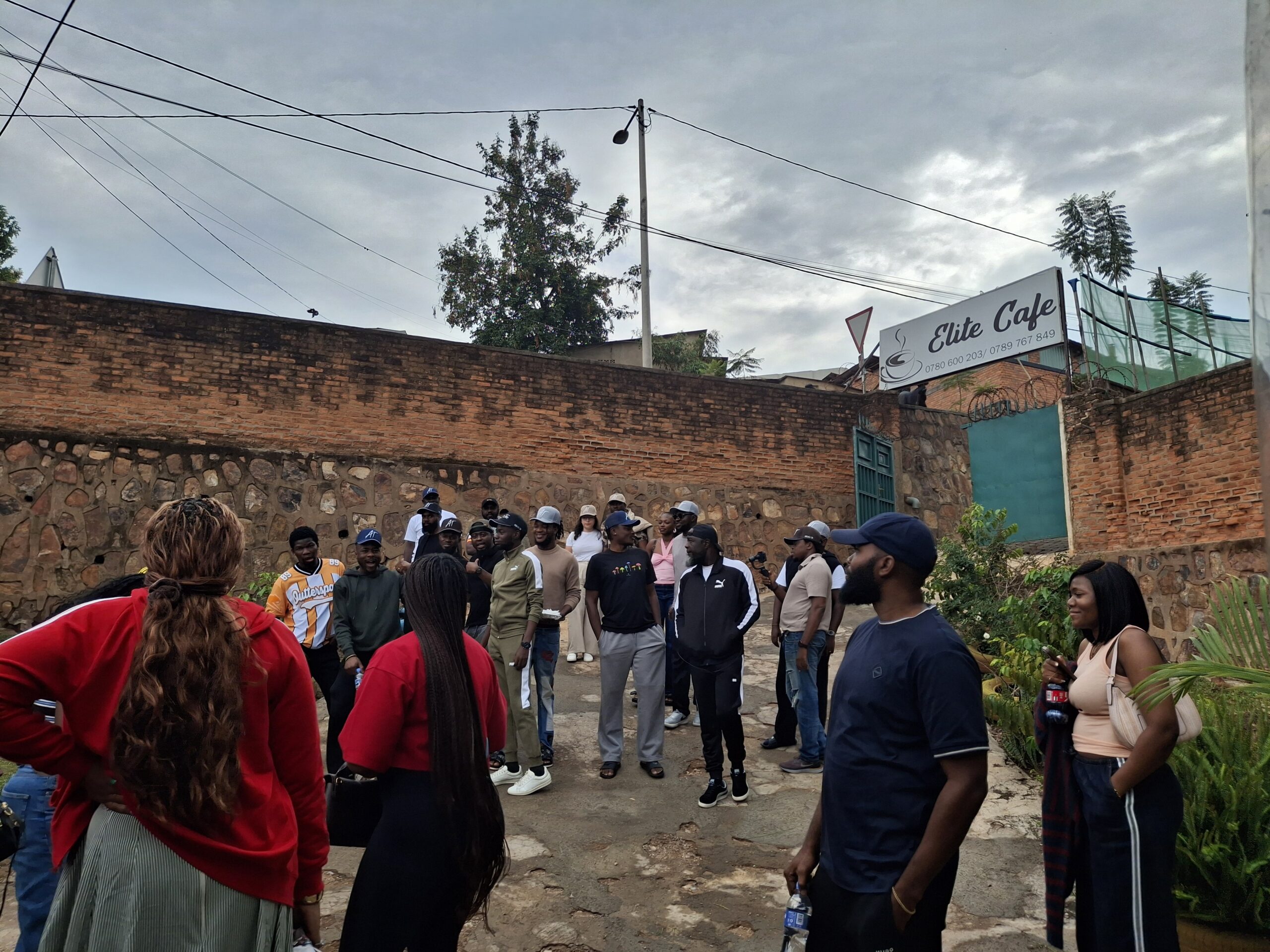
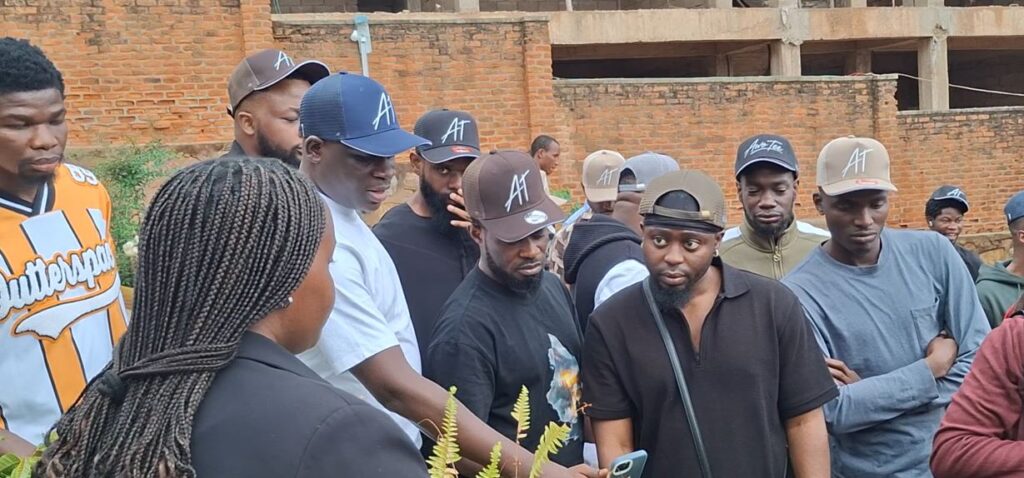
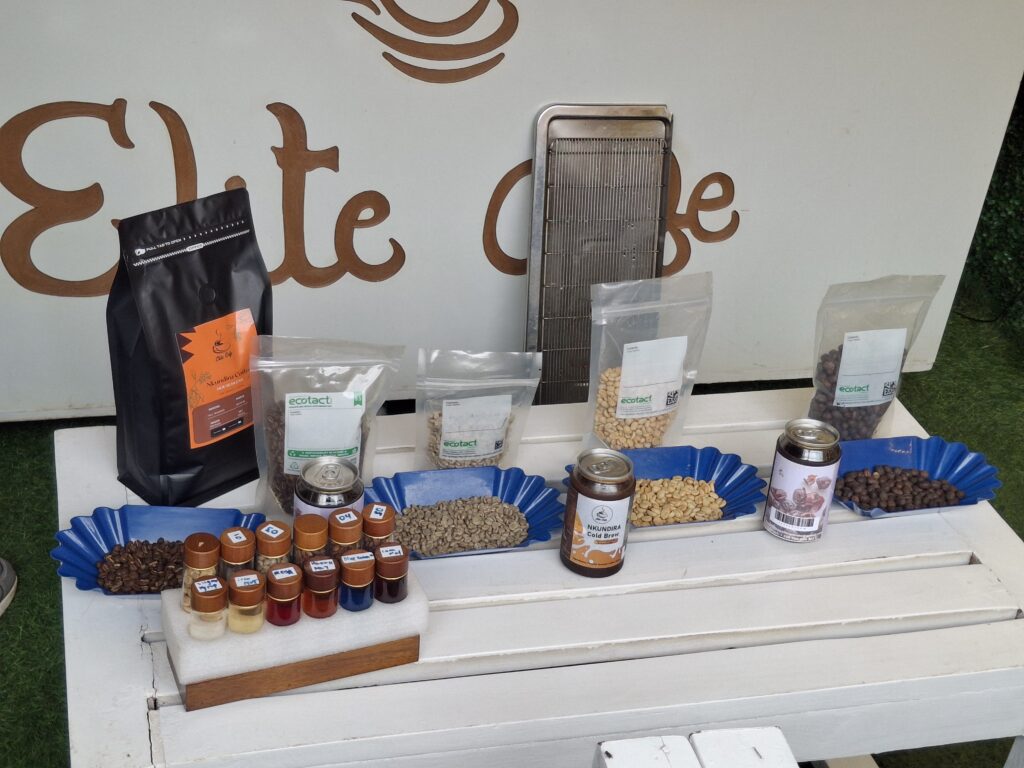
Elite Café hosted a one-day coffee experience at its training Center in Kicukiro district, bringing together 50 participants from Nigeria and Malta to explore Rwanda’s coffee culture and discover the journey of coffee from the farm to the cup.
The event offered guests an opportunity to learn how coffee is grown, harvested, processed, roasted, and brewed into different varieties. Through practical demonstrations and interactive learning, participants gained a deeper understanding of coffee production and the skills behind preparing a quality cup of coffee.
Established in 2022 by founder Annet Muhoracyeye, Elite Café started as a small coffee shop with only three employees, including its founder. The business has since grown and expanded its operations into coffee preparation and professional training, transforming the café into a learning center where students acquire practical skills in coffee roasting and brewing.
Speaking during an interview, Muhoracyeye said the idea of establishing the business was inspired by the growing coffee industry in Rwanda.
“Due to the growing coffee business in Rwanda, I had an idea of opening a café. I started with three employees, including myself. We started small, but now the business has grown so much that we have expanded into a combination of coffee-making services and a coffee-making training school. We now have three operational areas, including this training center,” she said.
Muhoracyeye added that the business contributes to addressing unemployment in Rwanda by providing coffee services and training opportunities to young people.
“Our business is fighting joblessness in this country by offering two services. One is brewing different types of coffee, and the second is teaching Rwandans how to make coffee for coffee lovers,” she explained.
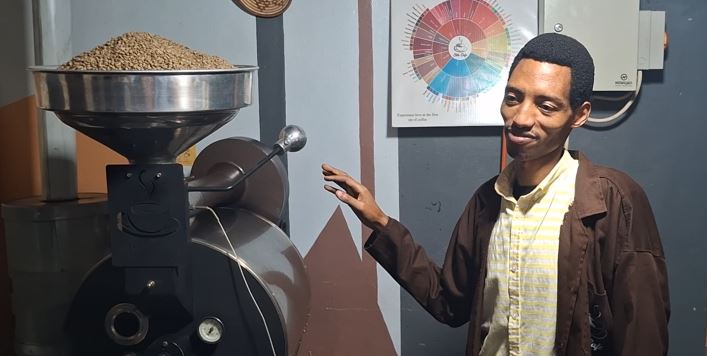
For students enrolled in the training center, the initiative provides an opportunity to acquire practical skills that can lead to employment and entrepreneurship. One of the students currently undertaking the training said the school plays an important role in Rwanda’s efforts to address youth unemployment, as graduates are equipped with skills that enable them to secure jobs or establish their own businesses.
“Today, I also get international exposure as a learning opportunity because I make coffee for international customers where I work. This is a very good opportunity. Thanks to Elite Café,” he said.
The experience also allowed guests to develop a new appreciation for coffee and its production process. Martan Audrey, one of the participants, said learning about the journey of coffee from the plant to the cup had changed her perception of the beverage.
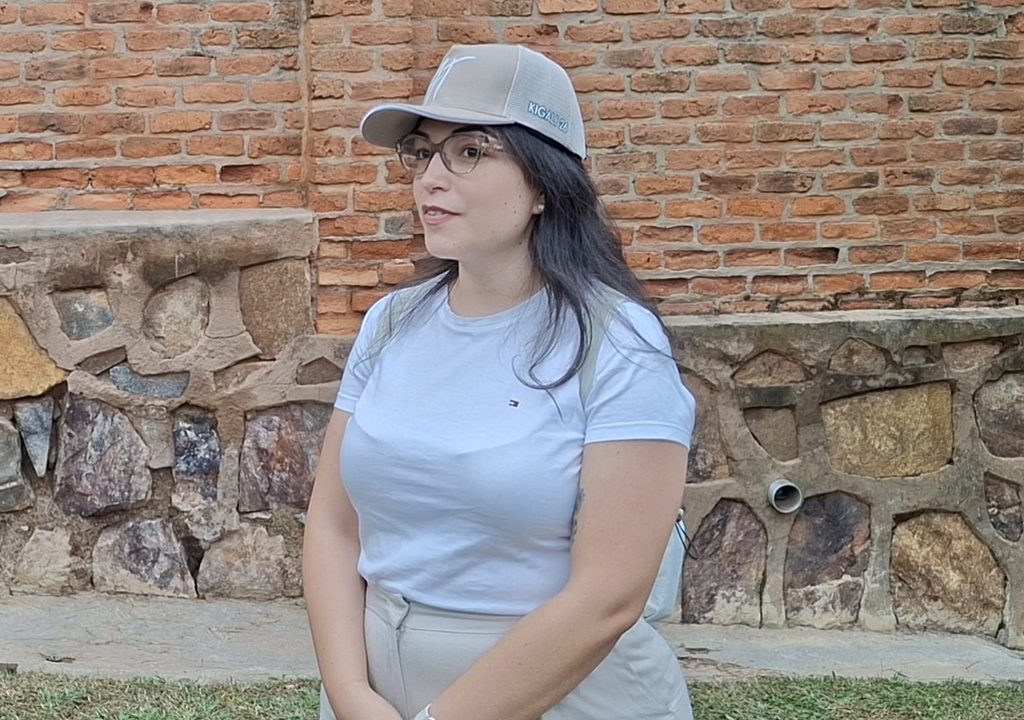
“I now feel like my coffee has a new taste added to it because I have never much thought about where the coffee we drink comes from. So now I have a new appreciation,” she said.
Oba, a Canadian-Nigerian participant, said the experience had provided him with valuable knowledge about the coffee business, its manufacturing process, and its chemical composition. He was particularly surprised to learn about the natural characteristics of coffee and its aftertaste.
“I have learned quite a lot in this trip, from business and the manufacturing process to the actual chemical composition of coffee itself. I never knew that we weren’t supposed to add more to our coffee because coffee has sugar itself. You can taste it after sipping it. I think it is called ‘aftertaste,’” he said, adding that he intends to share the knowledge gained with his friends back home.
The one-day coffee experience highlighted the growing importance of coffee in Rwanda’s economy and its potential to create employment and entrepreneurship opportunities. According to the National Agricultural Export Development Board (NAEB), Rwanda exported 23,860 tons of green coffee in 2025, generating more than $148.6 million in export revenues, equivalent to approximately Rwf216 billion.
This represented a 39 per cent increase in export volumes and a 65 per cent rise in revenues compared to 2024. The coffee sector supports the livelihoods of approximately 400,000 smallholder farming families, demonstrating its contribution to rural development and the national economy. Through initiatives such as the one-day coffee experience, Elite Café is contributing to the promotion of Rwanda’s coffee culture while equipping young people with practical skills to participate in the growing industry.

 RUSAGARA MUVUNANKIKO Valens