
 RUSAGARA MUVUNANKIKO Valens
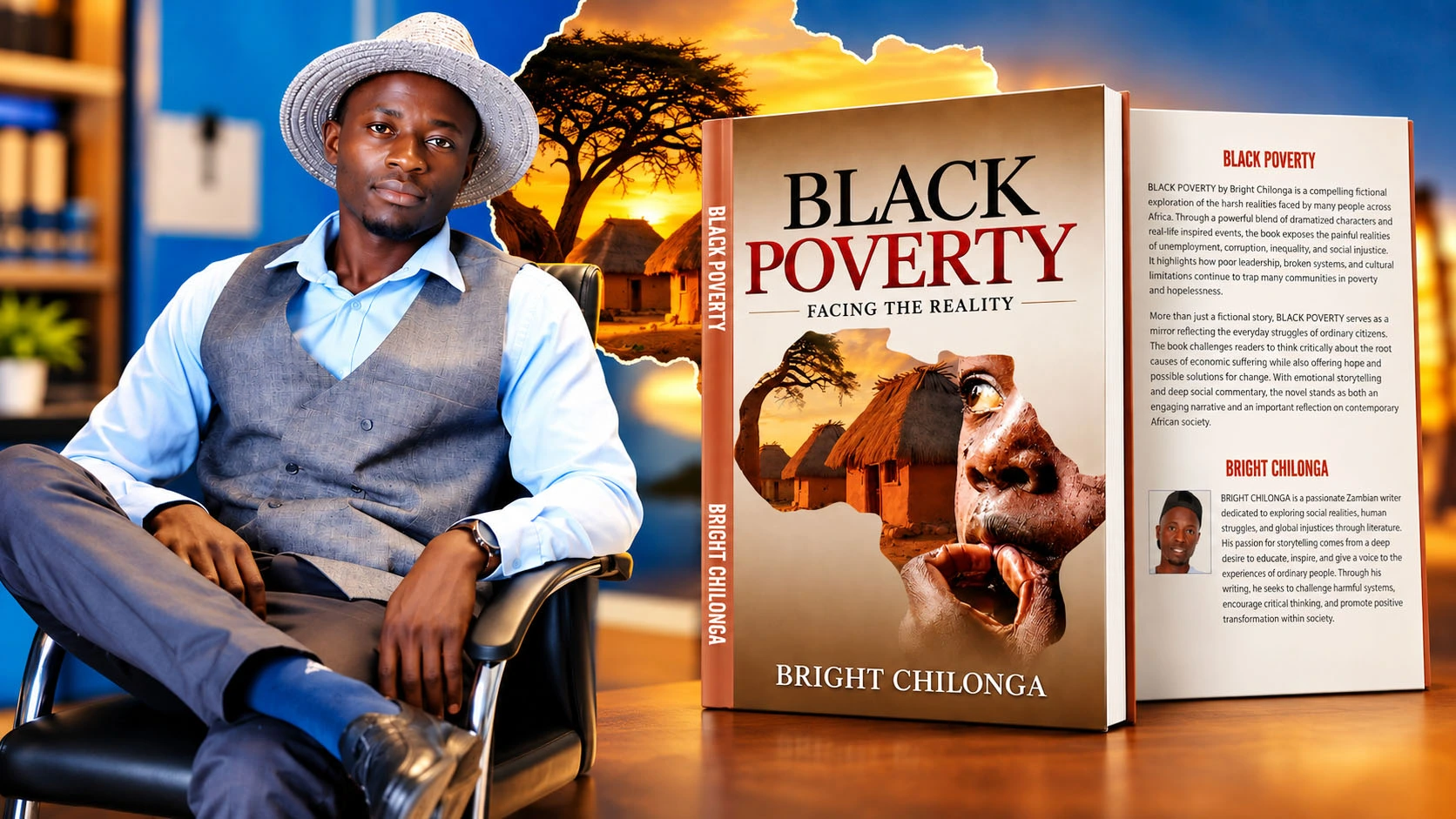
For Bright Chilonga, writing is more than a creative exercise. It is a way of confronting difficult realities and opening conversations about the challenges facing African communities. Born on 18 January 1995 in Chifunabuli District, Luapula Province, Zambia, Chilonga is a teacher, writer and advocate for greater African self-reliance.
Chilonga is the third-born in a family of six. He attended St. Clement’s Secondary School before pursuing a Bachelor of Arts with Education at the University of Zambia.
Today, he works as a Geography teacher at a government secondary school, a profession that keeps him closely connected to young people and the questions surrounding education, opportunity and the future of Africa.
He currently lives in Lower Zambezi, Kafue District, Zambia, where his experiences and observations continue to shape his thinking about society, development and the challenges confronting ordinary people.
From the classroom to the pages of a book
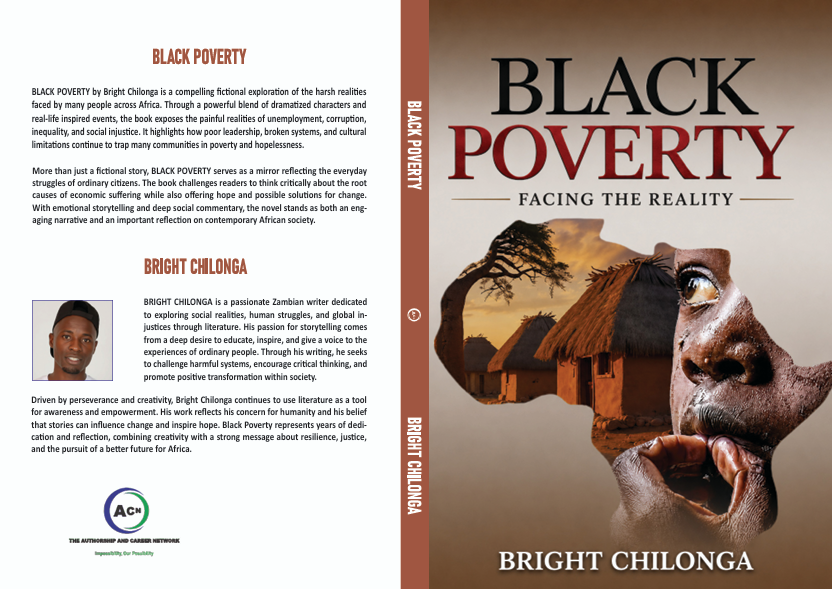
Chilonga’s concerns about poverty and development have found their strongest expression in his book, Black Poverty: Facing The Reality, first published in 2025. The book uses fiction and village-based characters to explore poverty, parenting, unemployment, education, leadership and broader questions about Africa’s development.
For Chilonga, the motivation behind the book is deeply personal and continental. He says his desire to write comes from his opposition to poverty and his hope for a more united and prosperous Africa.
“What inspired me is the fact that I hate the life of poverty, and I want my continent to be free.”
He says he also hopes the book will encourage readers to embrace the aspirations of the African Union’s Agenda 2063 and participate in efforts to address poverty and other challenges affecting African societies.
Why “Black Poverty”?
The title of the book is deliberately direct. According to Chilonga, “Black Poverty” refers to the struggles experienced by poor people across the African continent.
“‘Black Poverty’ means the struggles and challenges that poor people in Africa face on a daily basis.”

Rather than presenting poverty as the result of a single factor, Chilonga approaches it as a complex problem involving governance, unemployment, education, economic systems, history and individual choices. In his view, these factors interact with one another and contribute to the persistence of poverty.
Using fiction to tell uncomfortable truths
Although Black Poverty: Facing The Reality is a work of fiction, Chilonga says it is rooted in observations of real African social experiences. He chose fictional characters and a village setting as a way of presenting the voices and emotions of people dealing with difficult circumstances.
“I chose fiction so that I can convey the true feelings and voices of the people.”
The book introduces characters with different backgrounds and perspectives. Among them are Mr. Lundu, whom Chilonga describes as an educated and open-minded man who believes in Africa’s prosperity; Tom, a young African struggling to make a living; and Lesane Amaru, an ambitious child determined not to follow harmful traditions. Other characters, including Mama-Lu, Bar-Jesu and Mr. Kud, explore questions around dignity, parenting, poverty and personal responsibility.
A teacher concerned about Africa’s youth
Chilonga’s work as a Geography teacher also informs his understanding of the challenges facing young Africans. He identifies limited financial support and inadequate guidance as major difficulties for the continent’s youth.
“The African youth lack financial support and proper guidance.”
For him, education should also give young people room to discover and develop their talents. He argues for broader career pathways that allow students to make choices based on their interests and abilities.
“I would like to see all kinds of career pathways in schools. Let children choose the career based on interest and talent.”
His position reflects the connection he sees between education and economic opportunity. For Chilonga, schooling should not only transmit knowledge but also help young people prepare for meaningful careers and greater independence.
Parenting and the responsibility of families
Another major theme in his book is parenting. Chilonga argues that families have an important role to play in preparing children for difficult economic circumstances. He believes parents should invest in their children and help them develop financial skills and independence.
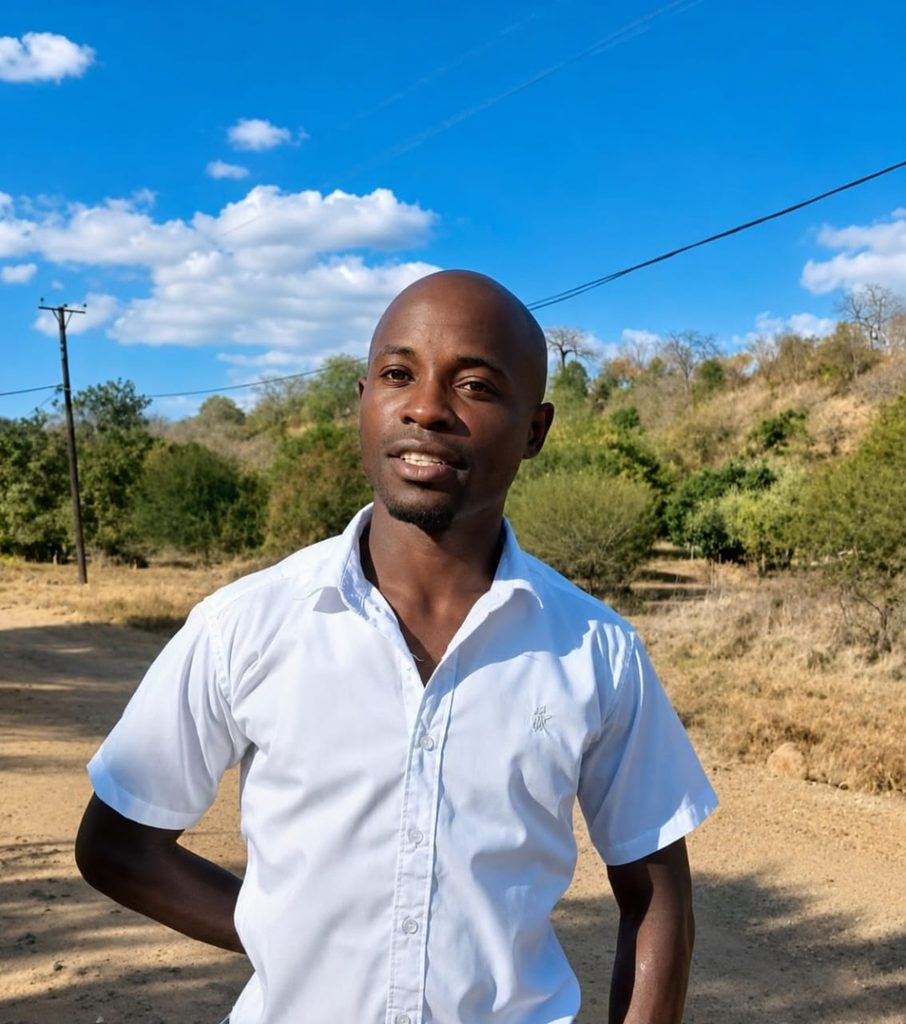
He also acknowledges that some of his ideas may generate debate. In particular, he identifies his discussion of parenting and having many children in circumstances of poverty as one of the potentially controversial issues addressed in the book.
Governance, resources and Africa’s development
Chilonga also places responsibility for poverty reduction on governments. He argues that governments have a responsibility to provide opportunities, education and skills while ensuring that public resources are properly managed.
“Corruption and mismanagement of public resources led to shortage of funds and resources needed for all the people to enjoy.”
At the same time, he does not place the entire responsibility on governments. He believes the fight against poverty begins within both families and governments, with individuals learning about responsibility and self-reliance from an early age.
His vision extends to the management of Africa’s natural resources. Linking his ideas to Agenda 2063, he argues that African countries should increase local processing of raw materials and invest in industries capable of creating jobs and retaining more value within African economies.
A Pan-African message
Historical experiences also feature prominently in Chilonga’s thinking. He argues that colonial history and relationships with external powers continue to influence how some Africans view their own economic possibilities. He also questions policies that, in his view, do not sufficiently serve African interests.
The experience of writing the book has also influenced his own outlook. Chilonga says he now sees entrepreneurship and business creation as part of his contribution to Africa’s development.
“Now, I understand that I need to create my own business or company to help develop the continent.”
He describes his broader outlook as increasingly Pan-African, expressing support for greater African unity, including the idea of a single currency and passport.
From personal experience to a message for readers
Writing the book was not without challenges. Chilonga says one of the most difficult aspects was constructing the story and ensuring that its different elements fitted together naturally.
“It was difficult for me to plot the story. How to fit every piece in the puzzle, and make sure the story flows perfectly?”
His approach was to draw on real stories while changing names and characterizations, then combine those experiences with his own perspectives. His stated goal was to create a work capable of both entertaining and educating readers.
Ultimately, Chilonga hopes readers will leave the book with two central ideas: self-reliance and Pan-Africanism.
“Self-reliance and Pan-Africanism.”
For a young Zambian educator who moved from the classroom into authorship, Black Poverty: Facing The Reality represents an attempt to use storytelling to engage with questions that extend beyond one individual, one family or one community.
Through his teaching and writing, Bright Chilonga is placing poverty, education, leadership, parenting and African development at the centre of a conversation he believes the continent must continue to have.