
 RUSAGARA MUVUNANKIKO Valens
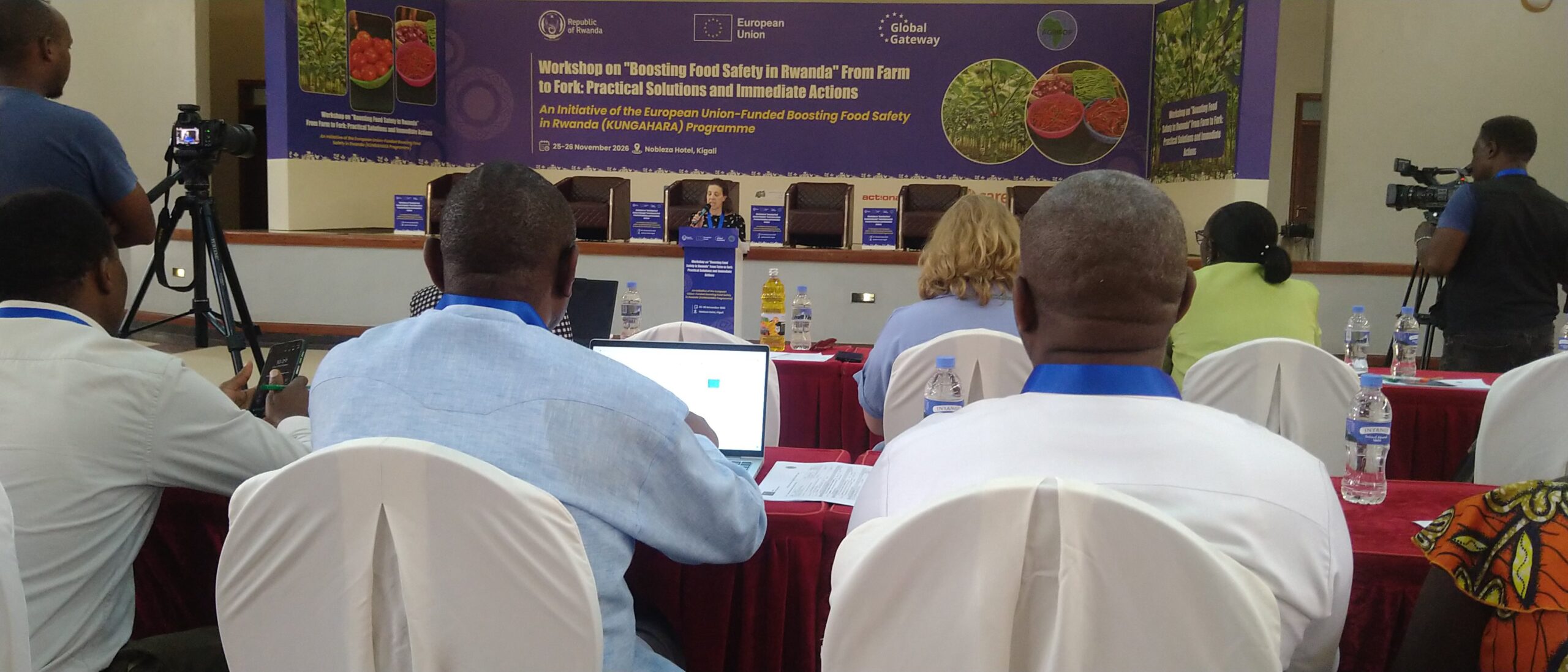
Rwanda is stepping up efforts to improve food safety across agricultural value chains, as concerns over pesticide residues, unsafe agrochemical use, contamination and compliance with international standards continue to affect farmers, consumers and the competitiveness of agricultural exports.
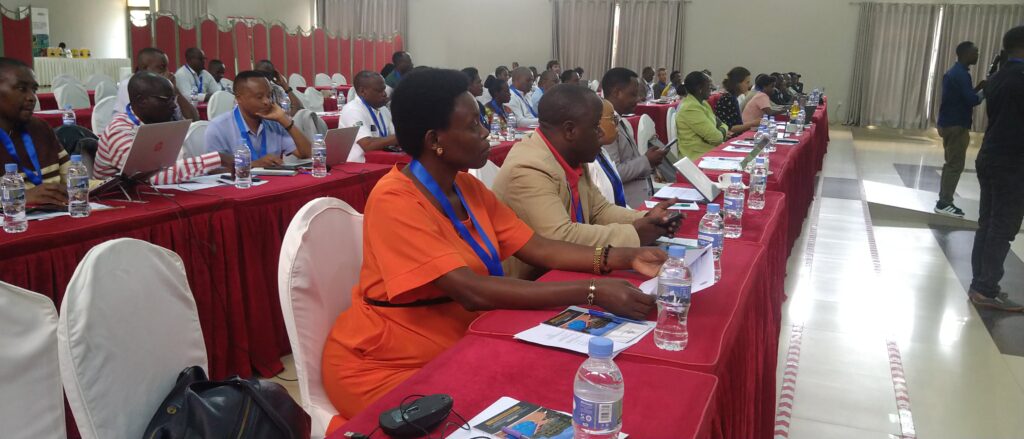
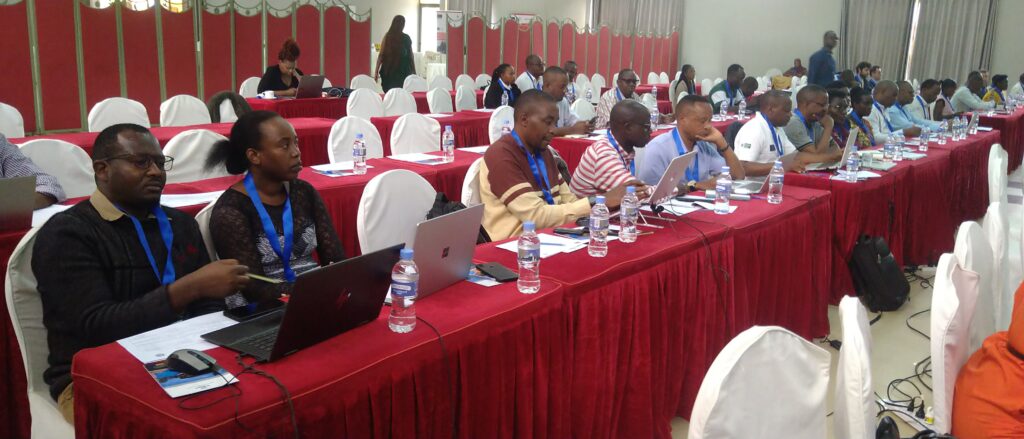
The issue is at the centre of a two-day national workshop on Boosting Food Safety in Rwanda, which opened on November 25, 2026, at Nobleza Hotel in Kigali. The workshop is organised under the European Union-funded Boosting Food Production in Rwanda (KUNGAHARA) Programme, with AGRIFOP, through its HINGANUBUZIRANENGE Project, serving as the lead implementing partner.
The initiative brings together government institutions, regulatory agencies, development partners, agricultural organisations, researchers, private-sector representatives, farmers and consumer organisations to examine challenges affecting food safety and identify practical ways to improve standards throughout the food chain.
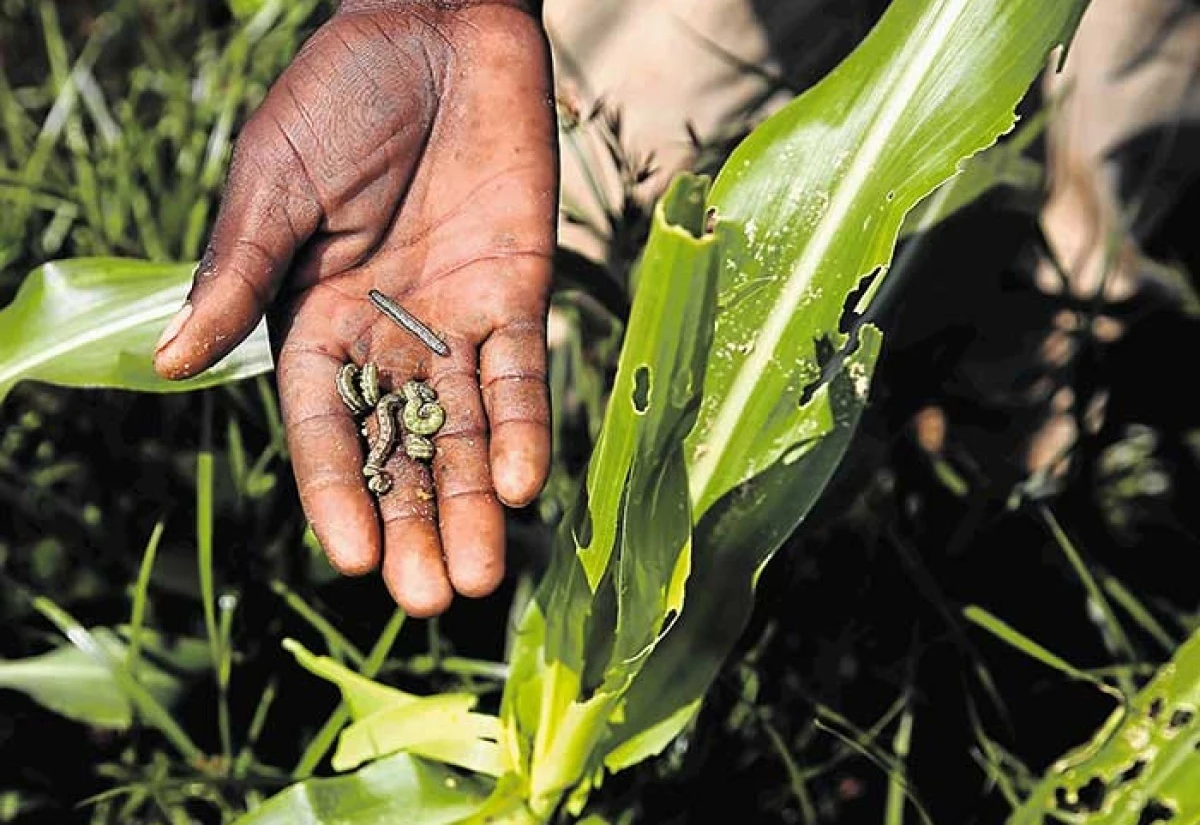
Despite progress in agricultural production, ensuring that food is safe for consumption remains a significant challenge. Issues include inappropriate application of pesticides and fertilisers, poor handling and storage practices, contamination during transportation and processing, inadequate traceability systems and improper disposal of chemical containers and expired agricultural products.
Alice Mukamugema, Director General responsible for Agricultural Value Chain Development at the Ministry of Agriculture and Animal Resources (MINAGRI), emphasised the importance of making food safety an integral part of agricultural development rather than treating increased production as the only measure of progress.
“Food safety must be considered at every stage of the agricultural value chain, from production to consumption. Increasing agricultural output is important, but we must also ensure that the food produced meets the required safety and quality standards. This requires responsible use of agricultural inputs, improved practices among farmers and stronger collaboration among all stakeholders.” She said.
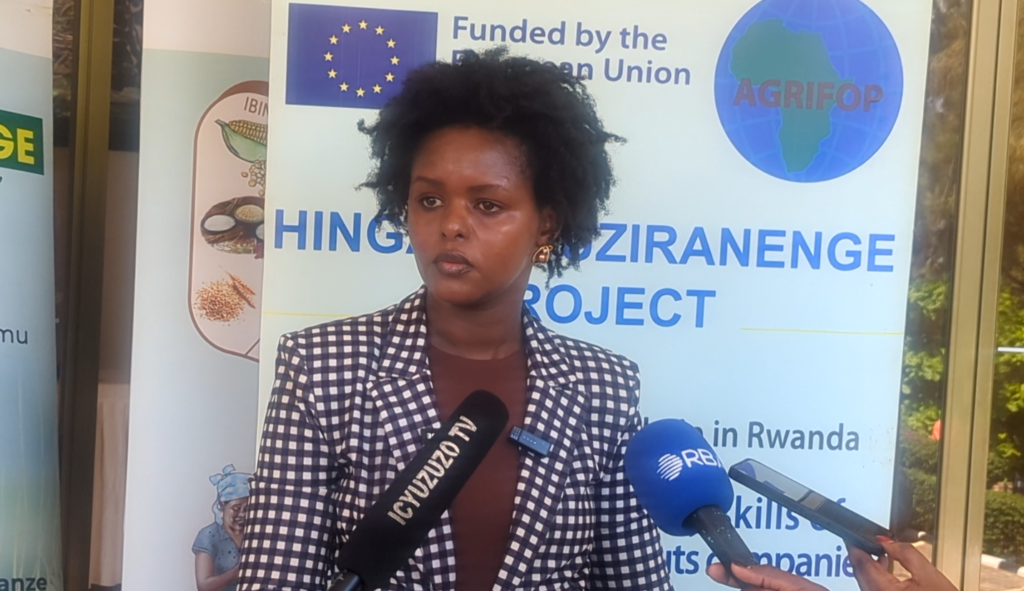
The HINGANUBUZIRANENGE Project, implemented by AGRIFOP with European Union support, seeks to strengthen food safety through improved knowledge and practices among farmers, agro-dealers and agricultural input companies. It also promotes biosafe agricultural inputs, Good Agricultural Practices (GAP), Integrated Soil Fertility Management (ISFM) and safer handling and application of agrochemicals.
The project operates in eight districts: Rwamagana, Bugesera, Kamonyi, Rulindo, Gicumbi, Musanze, Nyabihu and Rubavu. Its interventions include farmer training, demonstration farms, awareness campaigns, improved agrochemical management and collaboration with regulatory institutions.
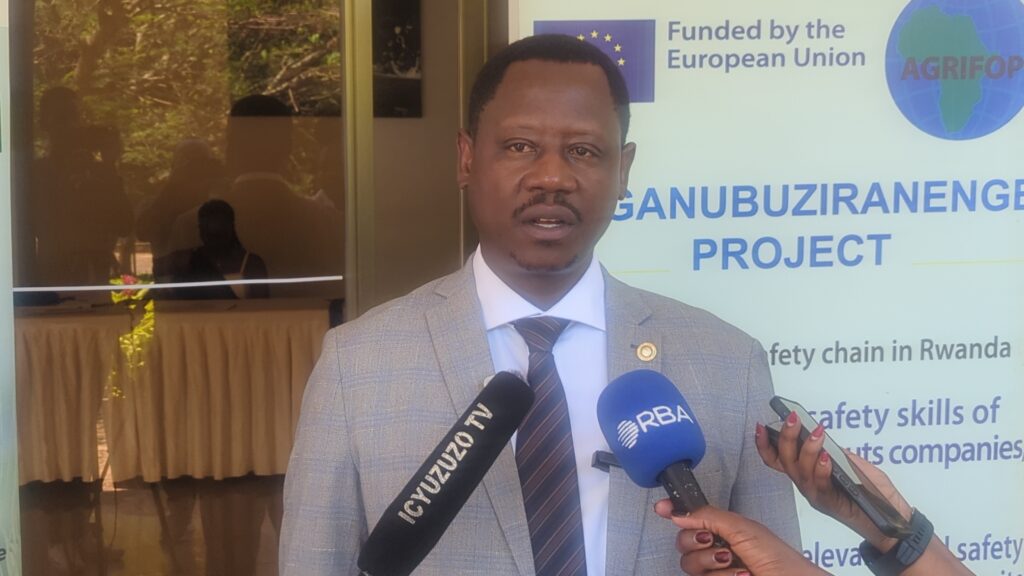
Safari Jean Bosco, Executive Director of AGRIFOP, said the success of food safety interventions depends on addressing practical challenges faced by farmers and other actors rather than relying solely on regulations and awareness campaigns.
“Food safety is a shared responsibility that requires action from farmers, agro-dealers, processors, traders, institutions and consumers. Our objective is to help agricultural value-chain actors understand the risks, adopt safer practices and comply with the standards required to protect consumers and improve access to markets.” He said.
Food safety also requires effective coordination among institutions responsible for agricultural production, standards, inspection, certification and consumer protection. In Rwanda, these include MINAGRI, the Rwanda Inspectorate, Competition and Consumer Protection Authority (RICA), Rwanda Standards Board (RSB), Rwanda Food and Drugs Authority (Rwanda FDA), Rwanda Environment Management Authority (REMA), Rwanda Agriculture and Animal Resources Development Board (RAB) and National Agricultural Export Development Board (NAEB).
However, the distribution of responsibilities among different institutions presents a need for stronger collaboration, particularly in inspection, monitoring, certification, enforcement and communication of applicable standards.
The European Union’s support comes at a time when food safety is increasingly important for countries seeking to expand agricultural trade and strengthen sustainable food systems.
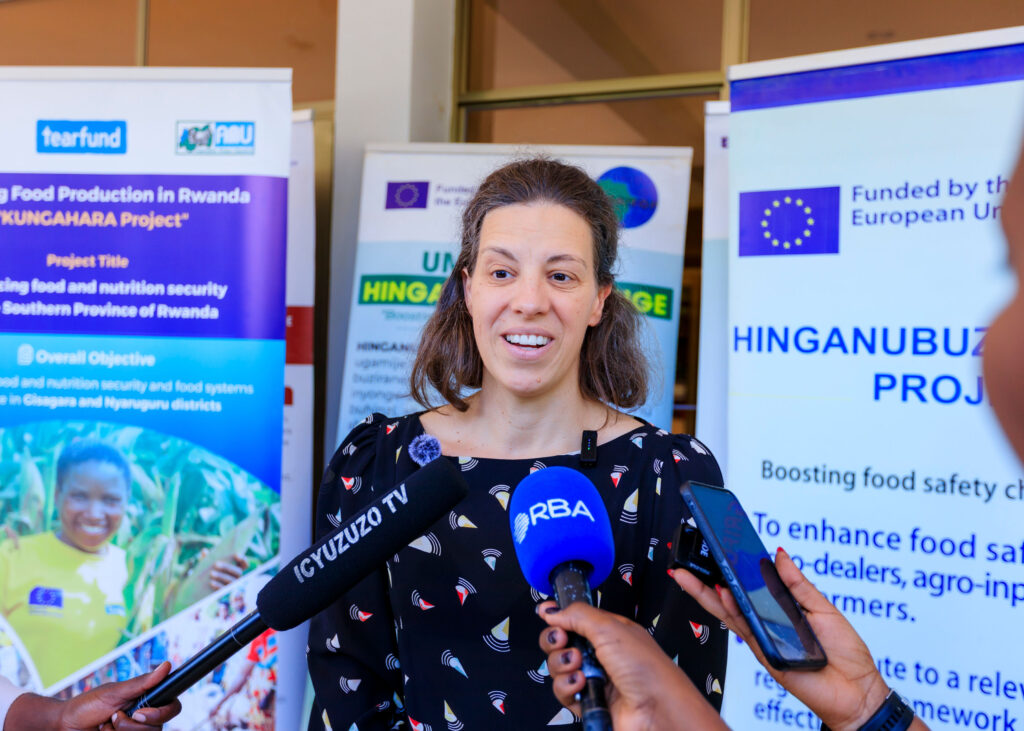
Elise Hadman, Head of Partnership at the European Union Delegation to Rwanda, highlighted the importance of food safety in strengthening agricultural value chains, protecting consumers and creating opportunities for Rwandan producers to access competitive markets.
“Supporting food safety is an investment in people’s health, sustainable agricultural development and economic opportunities. By strengthening the capacities of farmers and institutions, Rwanda can improve the quality of its agricultural products, protect consumers and position its producers to benefit from opportunities in regional and international markets.”
The need to strengthen food safety is particularly important for Rwanda’s growing horticulture sector, which has increasingly become a source of export revenue through products such as fresh vegetables, chillies, French beans, avocados and passion fruits.
NAEB’s 2023/2024 Annual Report indicates that horticultural exports generated approximately USD 75.12 million during the financial year. Vegetables accounted for 56.36% of the earnings, while fruits contributed 40.76%, with flowers making up the remaining 2.88%.
However, expanding exports to the European Union requires producers and exporters to comply with strict food safety requirements. Under Article 11 of EU Regulation (EC) No. 178/2002, imported food must comply with relevant EU food law requirements or conditions recognised as at least equivalent.
The EU’s Farm to Fork Strategy also sets ambitious 2030 targets, including reducing the use and risk of chemical pesticides by 50%, reducing fertiliser use by at least 20% and increasing organically farmed land to 25% of total agricultural land. These objectives reinforce the importance of sustainable production and responsible agricultural input management, although pesticide residue limits for imported produce are governed by separate EU regulations.
For Rwanda, improving compliance is therefore not only about maintaining access to high-value international markets but also protecting domestic consumers against chemical and biological hazards.
Strengthening food safety across the entire agricultural value chain will be essential if Rwanda is to sustain horticultural export growth, improve farmers’ incomes and ensure that food reaching both domestic and international markets meets the required safety standards.

 Ibyimana Cofi
 Muhire Obed