
 RUSAGARA MUVUNANKIKO Valens
Consumer prices in Rwanda’s cities climbed 13.6 percent in June compared to a year earlier, the National Institute of Statistics of Rwanda (NISR) reported Friday, marking a sharp acceleration in the cost of living and piling pressure on the central bank as it weighs its next move on interest rates.
The urban Consumer Price Index the figure policymakers watch most closely rose 0.4 percent from May, extending a run of increases that has pushed the annual average inflation rate to 9.3 percent over the past twelve months. Nationally, prices across both cities and the countryside rose 12.7 percent year-on-year, while rural inflation came in at 12.1 percent.
The most dramatic mover was health care, where urban prices rocketed 71.2 percent compared to June of last year by far the steepest increase of any category tracked in the index. Transport costs followed, up 26 percent, while housing, water, electricity, gas and other fuels climbed 20.5 percent.
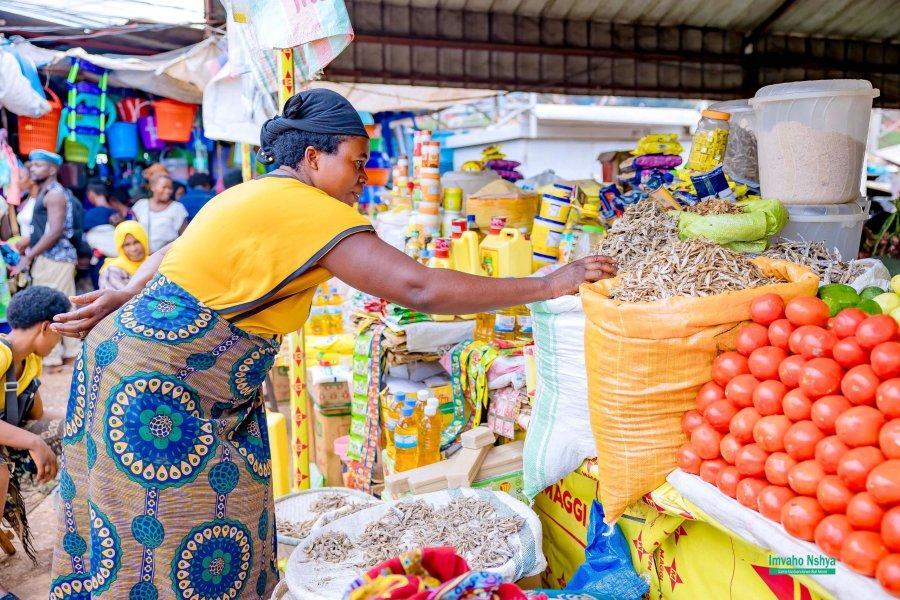
Restaurants and hotels rose nearly 16 percent, and alcoholic beverages and tobacco increased 13 percent. Even food, though rising more modestly than other categories at 7.5 percent, remains one of the largest single drags on household budgets given it makes up more than a quarter of the average urban basket.
Energy prices alone were up a striking 44.8 percent on the year, according to NISR’s breakdown of underlying price drivers, underscoring how fuel and utility costs are rippling through the broader economy.
The scale of the jump stands out against the backdrop of just a few months ago. As recently as December 2025, annual urban inflation stood at 8 percent already elevated, but roughly half the current rate. The index accelerated further through the first half of 2026, jumping from 9.2 percent in March to 13.0 percent in April, before holding in the 13 percent range through May and June.
Core inflation which strips out volatile fresh food and energy prices to reveal the underlying trend tells a similar story, climbing to 12.3 percent in June from 9.2 percent in May. That the core measure is rising nearly in lockstep with the headline figure suggests the price pressures are broad-based rather than confined to a handful of volatile goods.
The data suggests homegrown price pressures, not just imported inflation, are behind much of the squeeze. Locally produced goods rose 14.7 percent over the year, outpacing the 10.5 percent increase in imported goods. Within the local basket, transport costs jumped more than 30 percent, while housing-related costs rose over 20 percent.
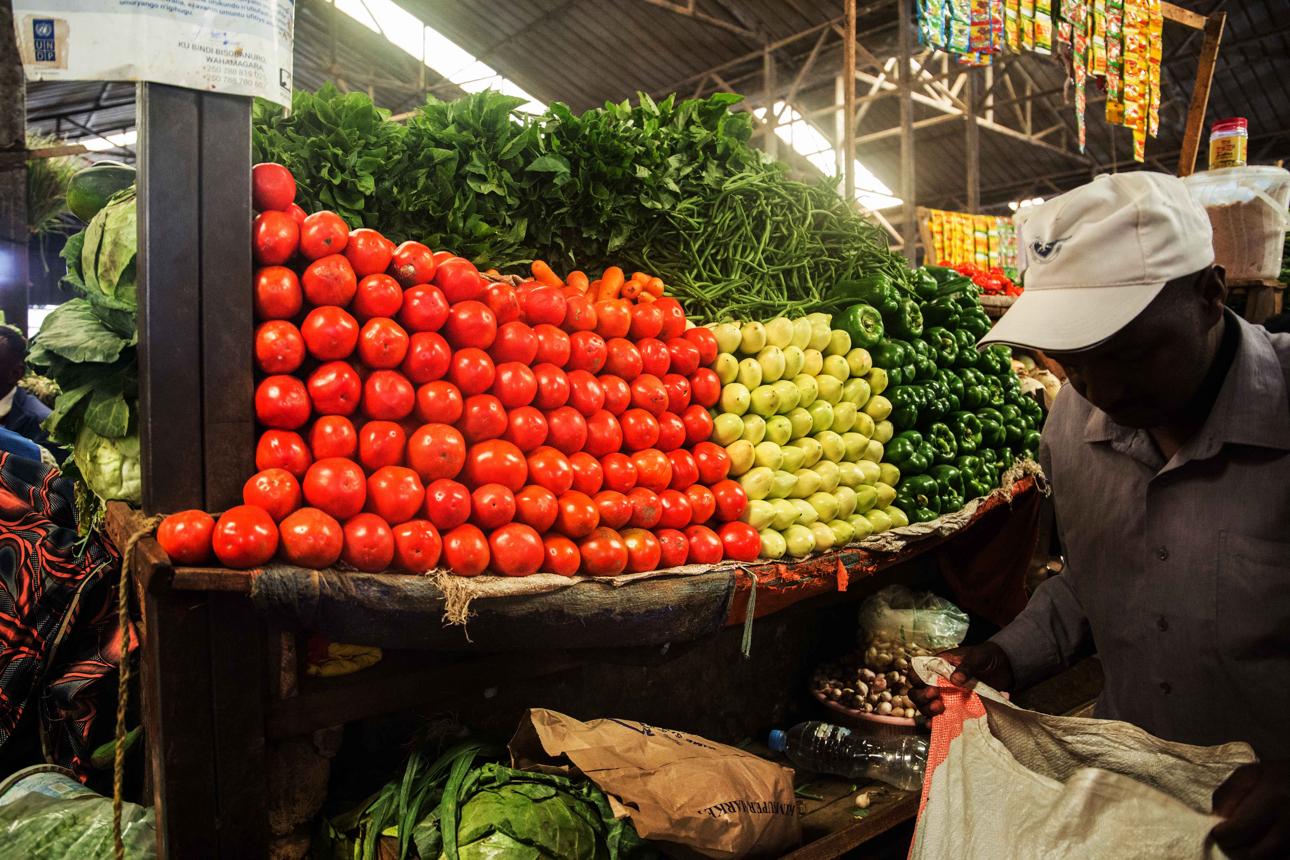
Fresh food prices, often the most visible to consumers at the market, were comparatively contained, up 9.1 percent annually and flat on the month.
For Rwandan households, the numbers translate into a noticeably higher cost of living, especially for anyone managing medical expenses, commuting costs or rent and utility bills the very categories posting the steepest gains. For policymakers at the central bank, the sustained rise in both headline and core inflation, now running well above the medium-term target visible in NISR’s historical charts, is likely to keep the pressure on for continued monetary tightening in the months ahead.
Rural areas, while showing somewhat lower inflation than cities, are not immune: rural prices rose 12.1 percent over the year, with alcoholic beverages and tobacco up nearly 14 percent and housing-related costs up more than 25 percent even sharper than the urban equivalent.

 Muhire Obed