

 RUSAGARA MUVUNANKIKO Valens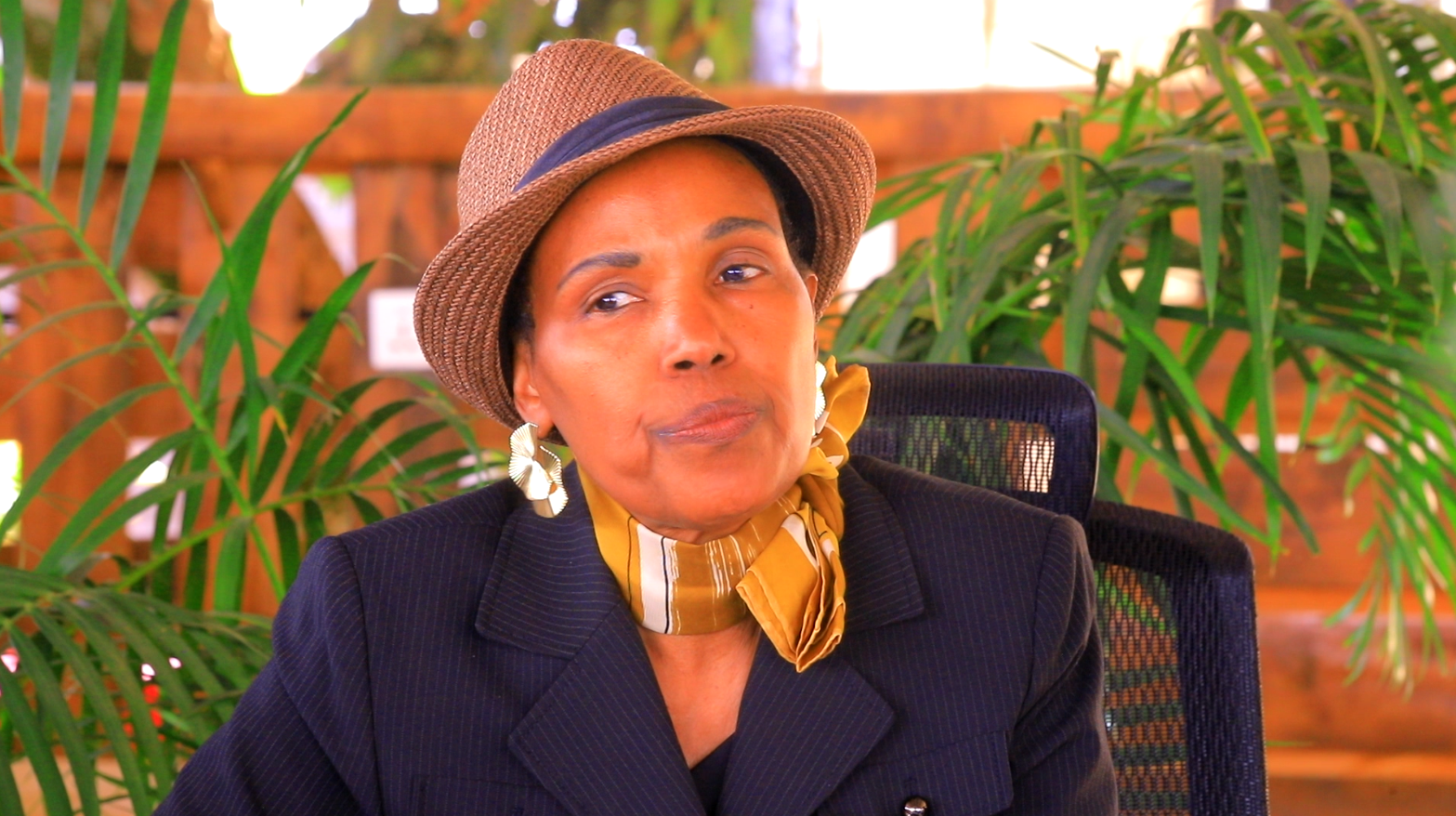
As thousands of couples continue to enter marriage in Rwanda every year, concerns are emerging over whether some young people are adequately prepared for the responsibilities and realities that come with building a family.
Jacqueline Baributsa, a Rwandan author and family life coach, says a lack of knowledge about marriage responsibilities is one of the factors contributing to the breakdown of some families in the country.
Baributsa, who is known for her book Amour Manipulé, says the issue of divorce is deeply concerning to her and has motivated her to speak more openly to young people in Rwanda about relationships, marriage and the importance of preparing for family life.
She believes that some people enter marriage without fully understanding what they are committing themselves to.
“Often, we enter marriage without knowing what we are getting ourselves into,” Baributsa said.
According to her, the decision to marry is sometimes influenced by social pressure rather than careful consideration of whether an individual is emotionally, mentally and practically prepared for married life.
She particularly pointed to young women who may feel pressured to marry because they see their friends getting married or because they believe they are reaching an age at which they are expected to settle down.
“Today, young people, especially us women, sometimes enter into marriage because we have seen other women getting married. Someone may do it because they want recognition, or because they feel that age is catching up with them and they start telling themselves, ‘I also need to get married,’” she said.
She warned that when people enter marriage for such reasons without thinking deeply about the commitment involved, problems may emerge later.
“They come into marriage like that without really thinking about it and without having a clear plan, and that can eventually become a problem after they get married,” she added.
Social Media and the Pressure to have a Perfect Wedding
Baributsa also believes that social media has changed the way some young people view marriage.
With engagement announcements, expensive wedding ceremonies, elaborate decorations and romantic photos frequently displayed online, she says some people may begin to feel pressured to reproduce lifestyles they see on social media.
“Another issue is that, nowadays, someone sees things on social media and feels, ‘I also want to do that.’ They want to show people that they too have been given a ring, and then they want to organize a celebration and make it a very expensive event,” she said.
According to Baributsa, the problem arises when couples become more focused on creating an impressive wedding than preparing for the responsibilities that follow the ceremony.
She argues that the desire to demonstrate social status through an expensive wedding can sometimes create financial pressure that later affects the marriage.
“These things can sometimes become one of the roots of the breakdown of many families,” she said.
Her message is that a wedding should not be viewed simply as a major social event or an opportunity to impress others. Instead, couples should focus on preparing themselves for the years of partnership, responsibility and challenges that come after the celebration.
When financial expectations influence Love
Baributsa also raised concerns about relationships in which financial status becomes a major factor in choosing a partner.
She argues that some young women may reject men who do not have significant financial resources or what she described as a strong financial foundation, without considering that circumstances can change over time.
“You know, these days some girls do not want men who do not have money or who do not have a strong financial foundation. This can also become a problem because you may have little or nothing today, but no one knows how circumstances will change tomorrow,” she said.
For her, building a marriage primarily around wealth or material expectations can create vulnerability when financial circumstances change.
A person who appears successful at the beginning of a relationship may later face unemployment, business losses, illness or other economic difficulties. If the relationship was built mainly around money, such changes can put considerable pressure on the marriage.
The meaning behind Amour Manipulé
Baributsa’s concerns are closely connected to the central idea of her book, Amour Manipulé, which explores relationships in which love may be mixed with hidden intentions.
She says some people enter relationships while pursuing something other than genuine love. They may hide their true motives until they obtain what they were looking for.
According to her, a person may enter a relationship while pretending to be deeply in love, yet secretly be pursuing money, social status, security, recognition or another personal benefit.
When that objective is achieved, she says, the person’s true character may eventually become visible.
This, in her view, can result in a painful realization for the other partner: that what appeared to be genuine love may have been influenced or manipulated by personal interests.
She describes this phenomenon as “Amour Manipulé” manipulated love, and considers it one of the issues that society needs to discuss more openly when addressing the causes of family breakdown.
Rwanda’s divorce figures
Baributsa’s concerns come as Rwanda continues to register thousands of marriages and divorces.
According to the Rwanda Civil Registration Vital Statistics Report 2025, published by the National Institute of Statistics of Rwanda (NISR), Rwanda registered 4,479 divorces in 2025.
Of these, 2,629 divorces were granted by courts in 2025, while 1,850 had been granted in previous years but were registered in 2025.
The same report shows that Rwanda registered 50,256 legal marriages in 2025, compared with 52,878 marriages in 2024.
The statistics therefore show that marriage remains widespread in Rwanda, but divorce is also an important issue that continues to affect families.
Kigali City recorded the highest number of registered divorces in 2025, with 1,119 cases, followed by the Eastern Province with 1,011 cases. The Northern Province recorded 529 registered divorces, the lowest figure among the areas reported.
NISR also reported that most registered divorces involved people aged between 30 and 44, while divorce registrations were relatively lower among people below the age of 25.
However, the figures should be interpreted carefully. The 4,479 divorces registered in 2025 do not mean that 4,479 marriages necessarily ended during that same year, because the registration system also included divorces that had been granted in earlier years.