
 RUSAGARA MUVUNANKIKO Valens
The Ministry of Agriculture and Animal Resources (MINAGRI), in partnership with the Food and Agriculture Organization of the United Nations (FAO), have launched a campaign to encourage livestock farmers to grow Juncao grass as part of efforts to address animal feed shortages and increase milk production.
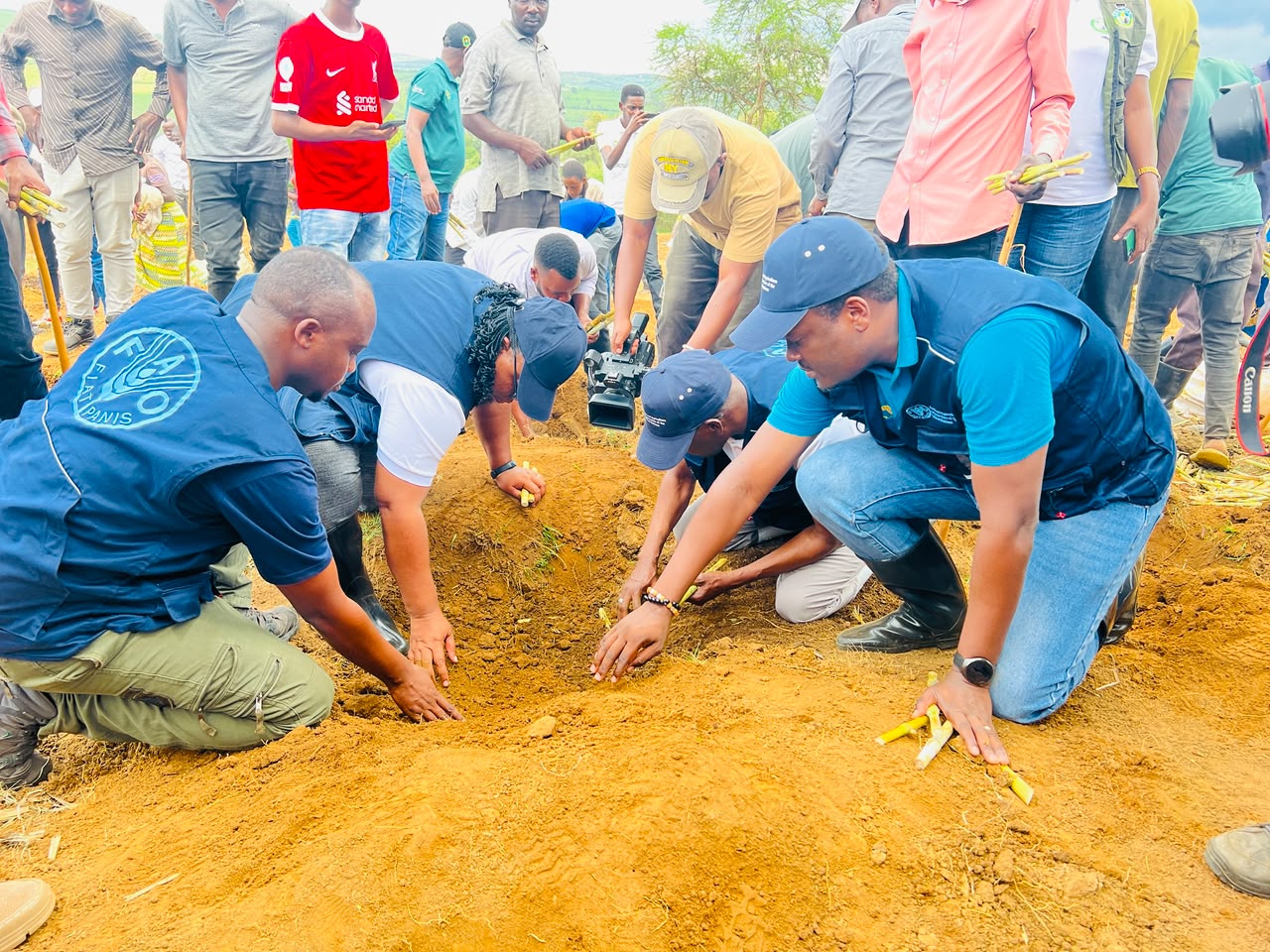
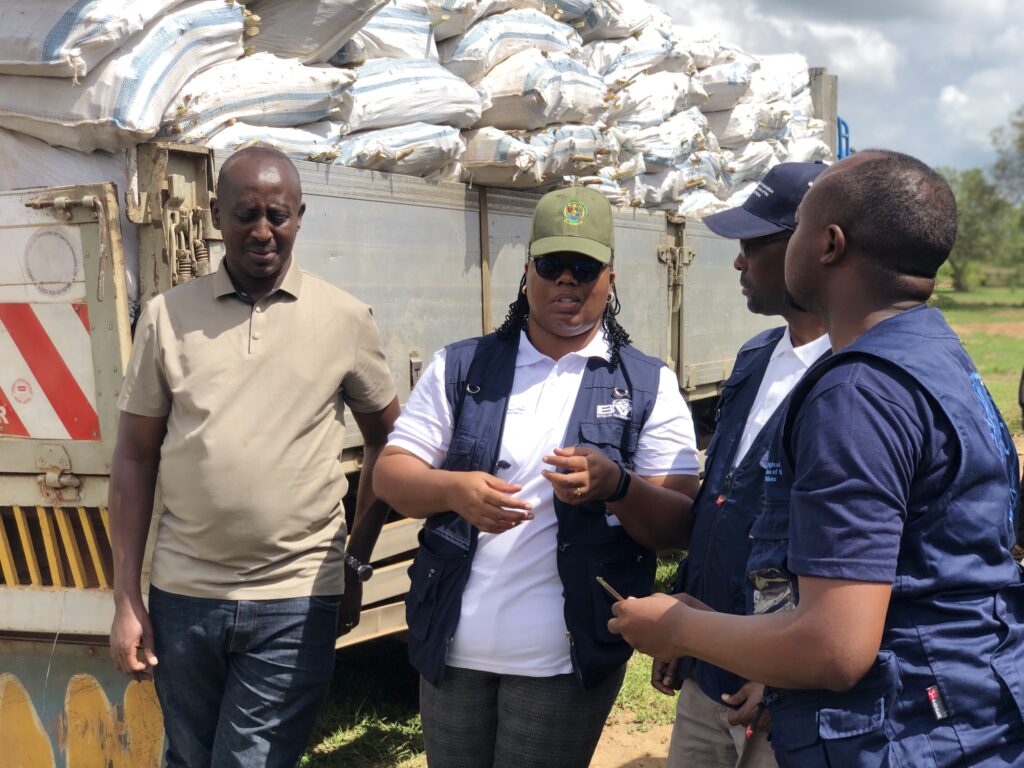
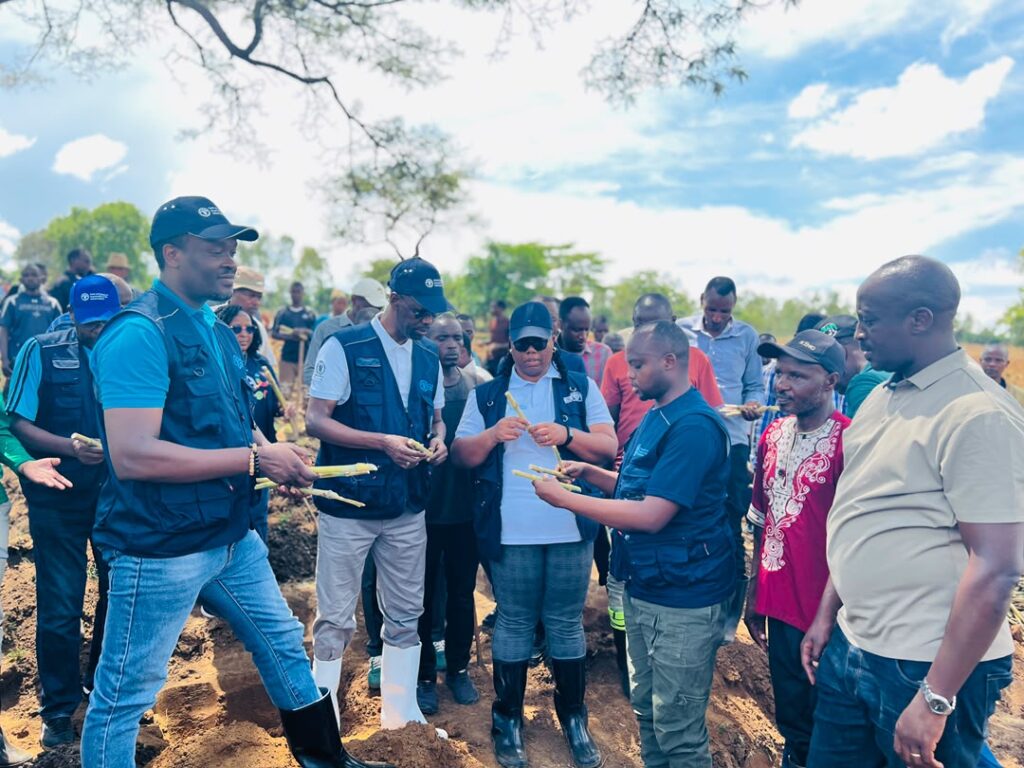
The initiative, implemented under the Rwanda Dairy Development Project (RDDP), continued in Nyagatare District on 29 October 2026, bringing together the Minister of State in MINAGRI, the FAO Representative in Rwanda, local leaders and community members to plant the grass.
Juncao is a type of grass known for its high biomass production potential when properly managed. Growing nutritious animal feed is one of the measures that can support sustainable livestock farming, particularly dairy production.
As part of efforts to expand Juncao cultivation, approximately 15 million seedlings are expected to be distributed and planted across districts nationwide. In Nyagatare District alone, around two million seedlings have been provided.
The initiative comes amid concerns that limited access to sufficient and nutritious animal feed can affect livestock growth, milk production and the income farmers earn from dairy farming.
In Nyagatare District, the Juncao planting campaign began at Edgar Rwangabwoba’s farm, where the activity brought together livestock farmers and other stakeholders in agriculture and animal husbandry.
For the initiative to improve livestock productivity, farmers need to understand how to plant and maintain the grass, when to harvest it and how to feed it to their animals.
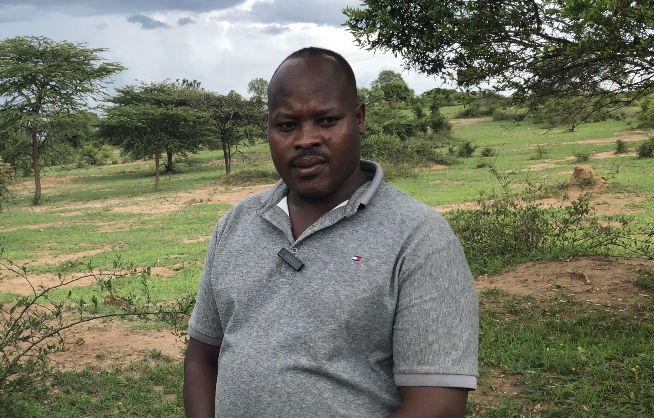
Edgar Rwangabwoba, the owner of the farm where the planting campaign was launched, welcomed the initiative and explained its potential benefits for livestock farming. He also asked the Ministry and the district authorities to provide continued support so that he could help other farmers access adequate animal feed.
“I thank the leadership of our district, Nyagatare, for choosing me among others to host the launch of this initiative at my farm. You have entrusted me with this responsibility, and I am making the necessary preparations. I promise to cooperate and carry out this work properly. However, I ask you to continue supporting me so that I do not have to face the challenges alone when you are available to help. As you know, this area experiences intense sunshine, so your continued support will be important,” he said.
Steven Kagame, a cattle farmer from Rwimiyaga Sector, also welcomed the introduction of Juncao grass, explaining how feed shortages affect livestock farming and what he expects from the initiative.
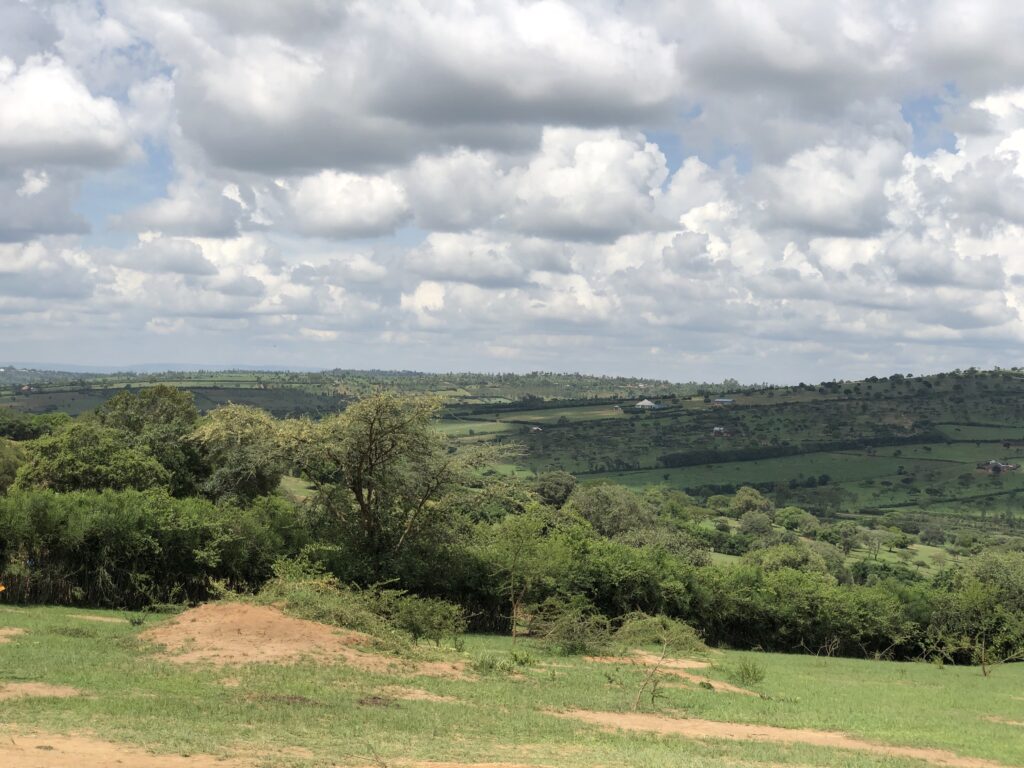
“We are happy that this grass has been introduced because it will supplement the other feeds we give our animals. There is currently a significant gap in feed availability because our area often experiences intense sunshine. However, we have been told that this grass can withstand climate change, so we believe it will help improve our livestock farming,” he said.
Alexis Kagabo, an agricultural extension worker, highlighted the importance of encouraging farmers to grow quality fodder and providing them with the knowledge needed to cultivate it successfully.
“Our responsibility is to encourage farmers to plant at the right time and follow good farming practices. We will now also help raise awareness about growing quality animal feed. Since our area is known for livestock farming, we will advise farmers to plant this grass around the edges of their fields so that they can access fodder when they need it. This will help prevent cattle from dying because of a lack of feed,” he said.
Mohamed Aw-Dahir, FAO Representative in Rwanda, highlighted the importance of partnerships in promoting sustainable livestock production and helping farmers access sufficient animal feed.
“FAO is committed to supporting Rwanda’s efforts to strengthen livestock production by promoting sustainable and nutritious animal feed. The introduction of Juncao grass can help farmers improve access to animal feed, increase milk production and build more resilient livestock farming systems, particularly when farmers receive the necessary knowledge on planting and managing the grass.”
Dr Solange Solange, The Minister of State in MINAGRI also explained the objectives of the Juncao planting initiative, how it will be implemented across districts and the expected benefits for Rwanda’s livestock sector.
“This grass is of good quality and can withstand and cope with climate change. The Juncao grass planting initiative is one of the strategies aimed at helping farmers access sufficient and nutritious animal feed to ensure livestock health and better productivity. We expect the planting of 15 million seedlings across the country to contribute to addressing feed shortages and increasing milk production, thereby ensuring that livestock farming continues to provide income for farmers,” the Minister said.
Although planting Juncao grass is one way to increase the availability of livestock feed, the success of the initiative will depend on whether the distributed seedlings are planted, properly maintained and effectively used by farmers.
According to the Food and Agriculture Organization of the United Nations (FAO), permanent meadows and pastures worldwide declined by 238 million hectares between 2001 and 2024. Meanwhile, the United Nations Convention to Combat Desertification (UNCCD), in its 2024 report on rangelands and pastoralists, estimated that rangelands cover more than 54% of the world’s land surface, with up to 50% degraded.
FAO’s Agricultural Production Statistics 2010–2024, published in 2025, also reported that global milk production reached 985 million tonnes in 2024, including 797 million tonnes of cattle milk. These figures highlight the importance of protecting grazing land and improving access to nutritious animal feed to support sustainable livestock production.
In Rwanda, the National Institute of Statistics of Rwanda (NISR), in its Seasonal Agricultural Survey for Season A 2025, reported that 96,000 hectares were under permanent pasture. In Season A 2026, this area fell to 84,000 hectares, a decline of 12,000 hectares, or approximately 12.5%. However, these figures refer specifically to permanent pasture and do not, on their own, establish that all livestock fodder declined at the same rate or that this reduction caused the country’s feed shortages. The figures nevertheless highlight the importance of finding sustainable ways to increase livestock feed availability and improve its nutritional quality, since good nutrition can contribute to higher milk production, alongside animal health, access to water and proper livestock management.
Rwanda’s Law No. 042/2026 of 2 September 2026 governing livestock farming and fisheries provides a legal framework relevant to efforts to improve animal nutrition and livestock productivity. Article 21 addresses animal feed, emphasising the need to provide livestock with a balanced diet containing essential nutrients and water according to their needs, while Article 22 covers the handling, storage and marketing of animal feed.
These provisions highlight the importance of ensuring access to adequate and nutritious fodder, including Juncao grass, in supporting animal health and sustainable livestock production. However, the law does not specifically require farmers to grow Juncao grass.


 Muhire Obed