
 RUSAGARA MUVUNANKIKO Valens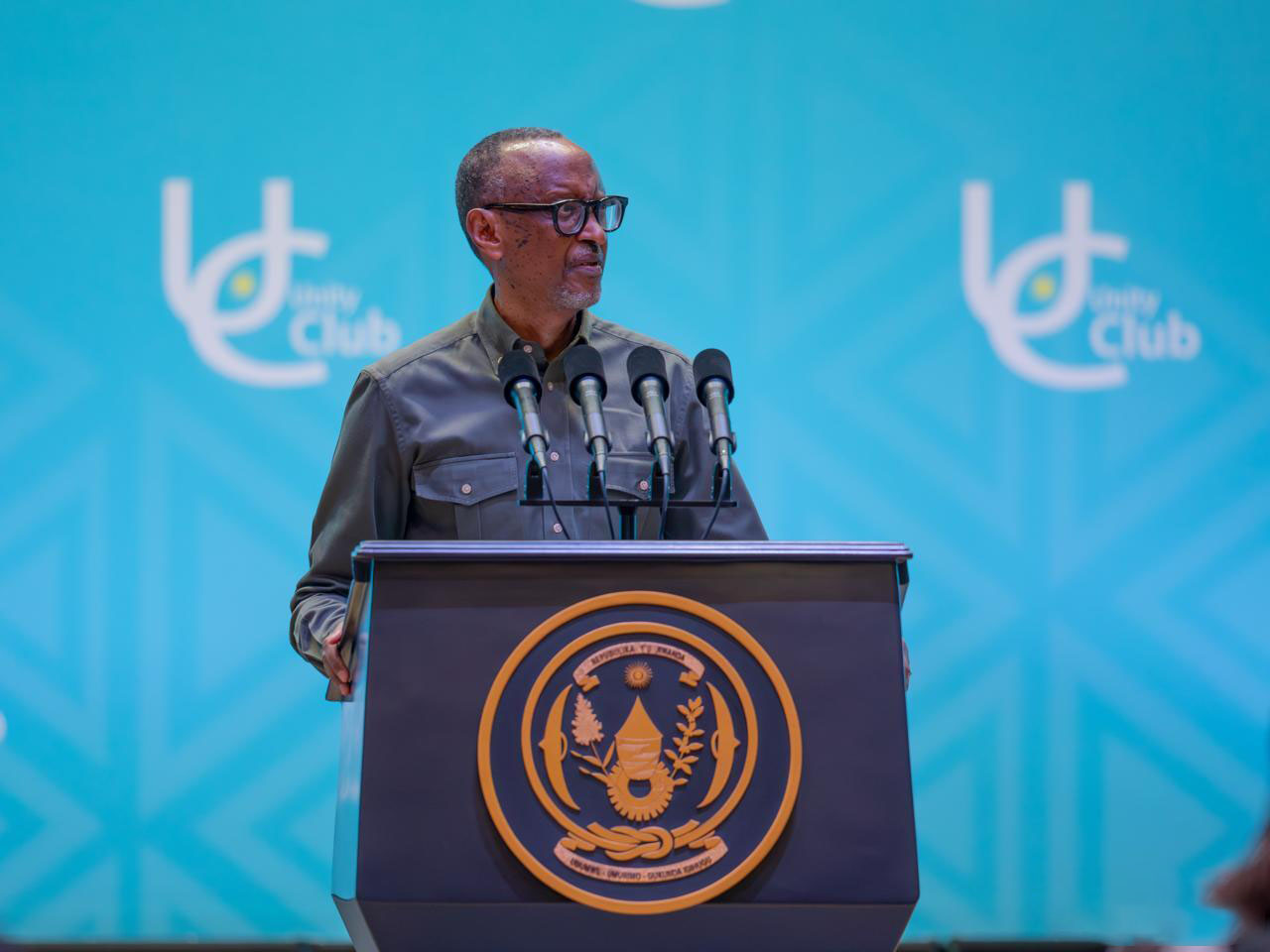
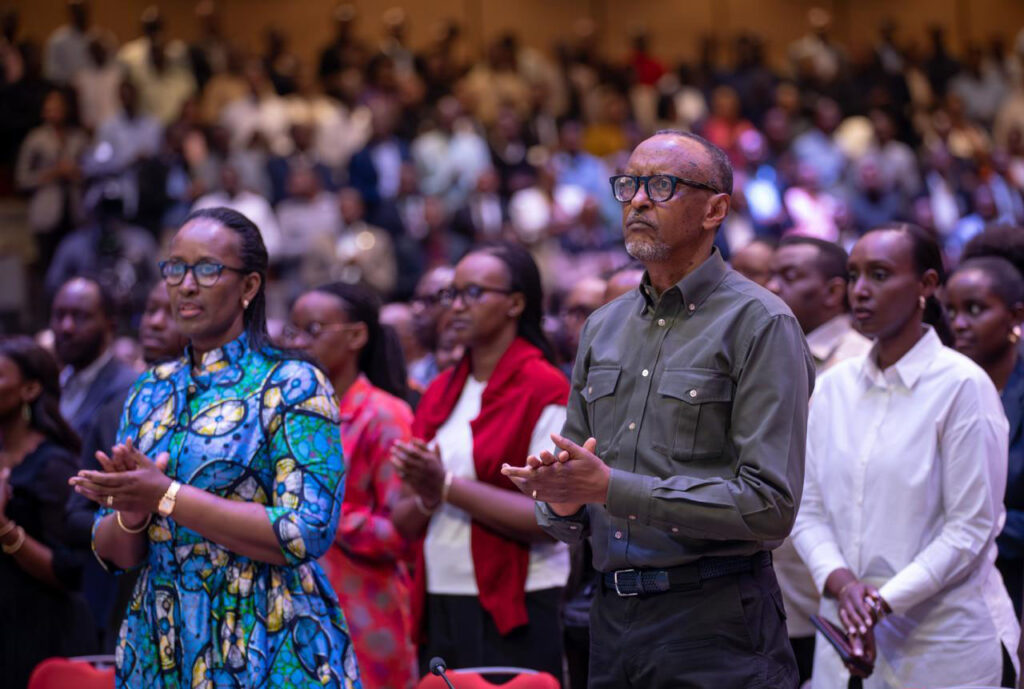
President Paul Kagame and First Lady Jeannette Kagame attended a national dialogue on the history of the 1994 Genocide against the Tutsi and the struggle to stop it, held on Saturday at the Intare Conference Arena in Rusororo.
The event, organised by Unity Club-Intwararumuri, brought together leaders from different institutions to reflect on Rwanda’s history and the lessons it offers for the country’s future.
Addressing participants, President Kagame said Rwanda’s past must never be forgotten because it provides important lessons that can help citizens continue building a peaceful and united nation.
“These are profound chapters of history that people must remember and use as a foundation to rebuild the country in the way Rwandans want. Some parts are painful and people may not want to remember them, which is understandable. But it is important that we find the strength to remember because they contain many valuable lessons.”
The President stressed that the truth about what happened during the Genocide against the Tutsi cannot be erased or rewritten, noting that there is overwhelming evidence of the crimes committed. He added that even some of those responsible have acknowledged the facts, leaving no room for denial.
“There is a truth that can no longer be reversed or rewritten because the evidence exists. Some of those involved have themselves admitted, ‘Yes, this is true; what is being said happened.’ When the very person concerned acknowledges it, what is left to argue about? Instead, we should learn from that truth and let those lessons help us achieve the future we seek.”
President Kagame also said some individuals know exactly what they did but continue to deny responsibility and remain attached to the destructive agenda they started. He said Rwanda cannot allow its future to be held hostage by those who refuse to change.
“Many of the arguments we hear come from people who, instead of saying, ‘What has been said about me is true, and I am ready to accept it and become a better person,’ continue to resist. They remain stubborn for the reasons I have mentioned, but the country cannot be held hostage because of that.”
He further noted that those who seek to distort Rwanda’s history do so for different reasons, including shame over their own actions or their association with those responsible. However, he urged people to move beyond denial and work together to establish the truth as the foundation for the country’s continued progress.
“There are many reasons behind this. Some people feel ashamed of where they found themselves or of the role they played, or were associated with, and they do not want to revisit it. That is understandable. But what matters even more is finding the courage to move beyond it, bringing together the facts so that the truth becomes the foundation on which we build everything else.”
The dialogue is part of Rwanda’s continued efforts to preserve the memory of the Genocide against the Tutsi, strengthen unity and reconciliation, and encourage citizens to draw lessons from the country’s history as they continue building a peaceful, resilient and prosperous nation.