
 RUSAGARA MUVUNANKIKO Valens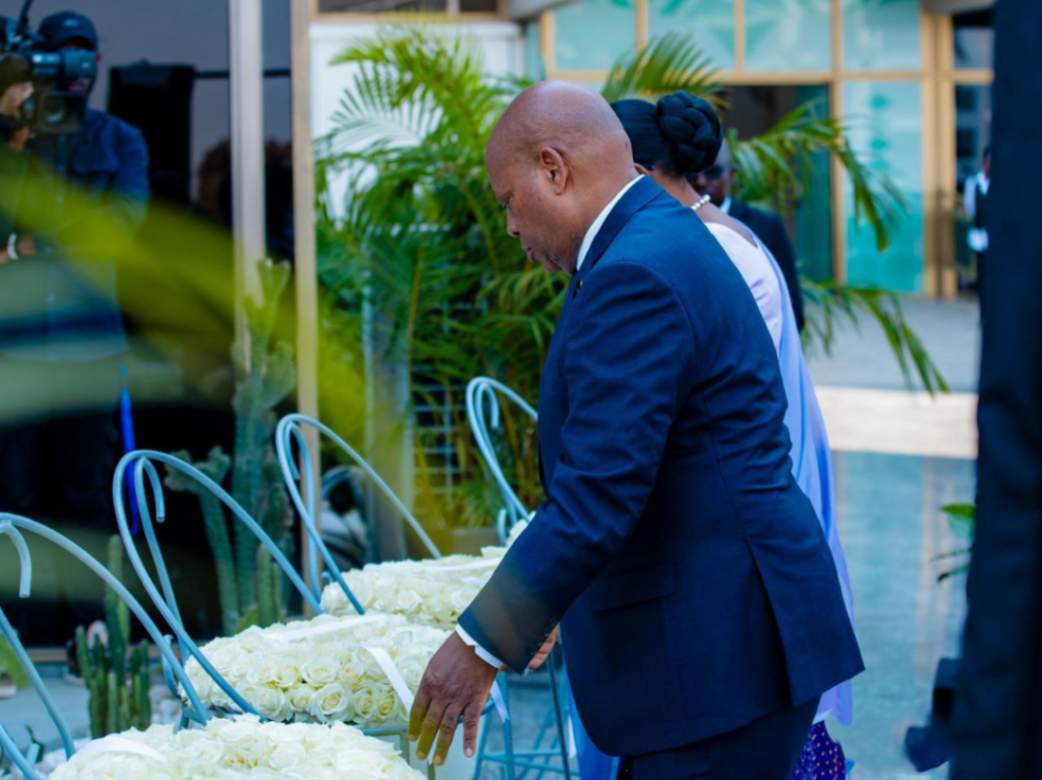
More than three decades after the 1994 Genocide against the Tutsi, Rwandan officials have renewed calls for stronger international cooperation to bring suspected génocidaires to justice, warning that failure to prosecute them fuels impunity and threatens global efforts to prevent future atrocities.
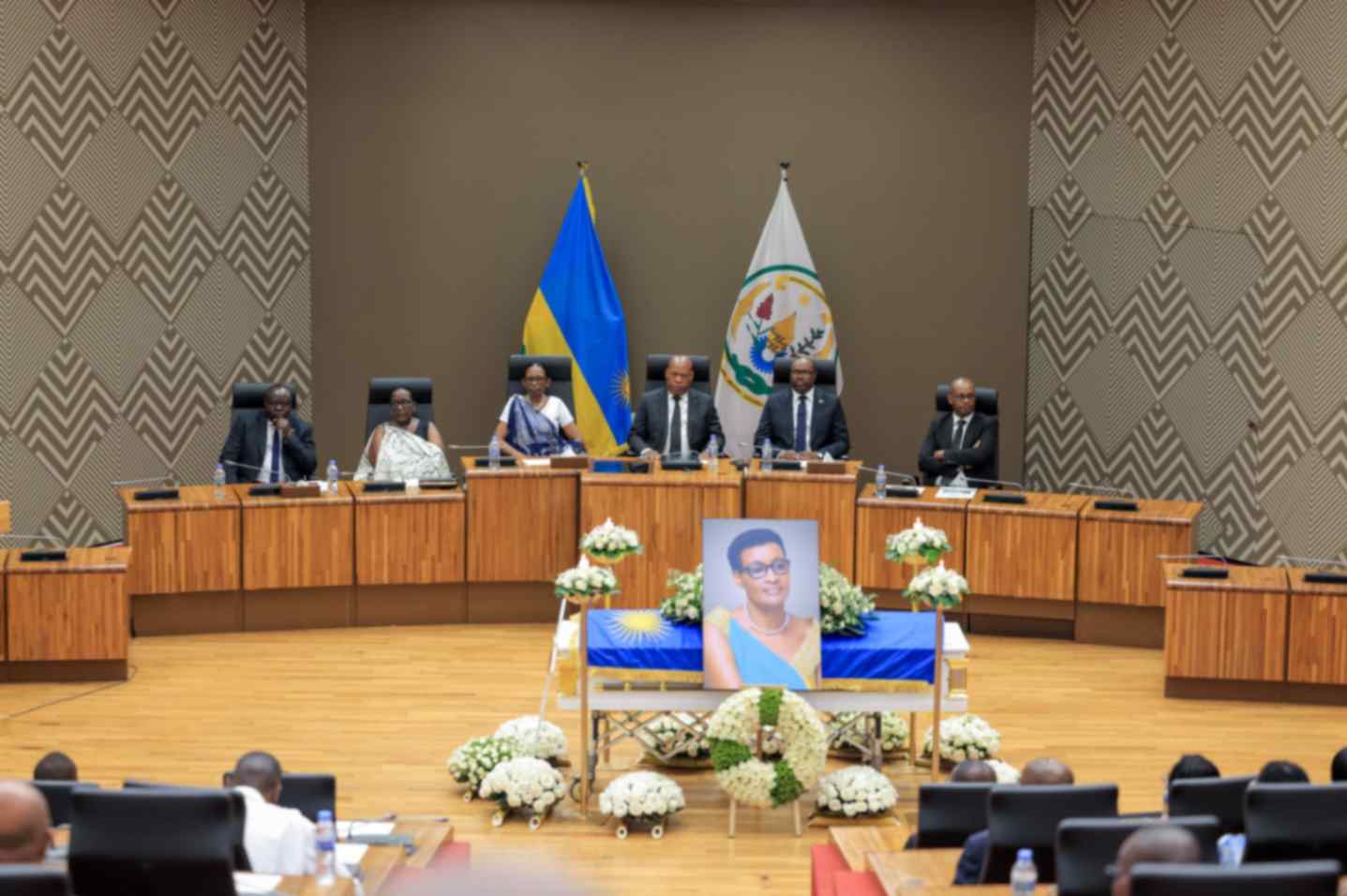
The message was delivered on Monday during the 32nd commemoration of former employees of Rwanda’s Parliament who were killed during the Genocide against the Tutsi. The ceremony was held at the Parliament premises and was preceded by the unveiling of a new Genocide Memorial built at the former Conseil National de Développement (CND), where the President of the Senate and the Speaker of the Chamber of Deputies officially inaugurated the monument.
The memorial features four components: a Wall of Messages, four memorial pillars representing the four former CND employees who were killed during the genocide, a Memorial Garden and the Flame of Hope.
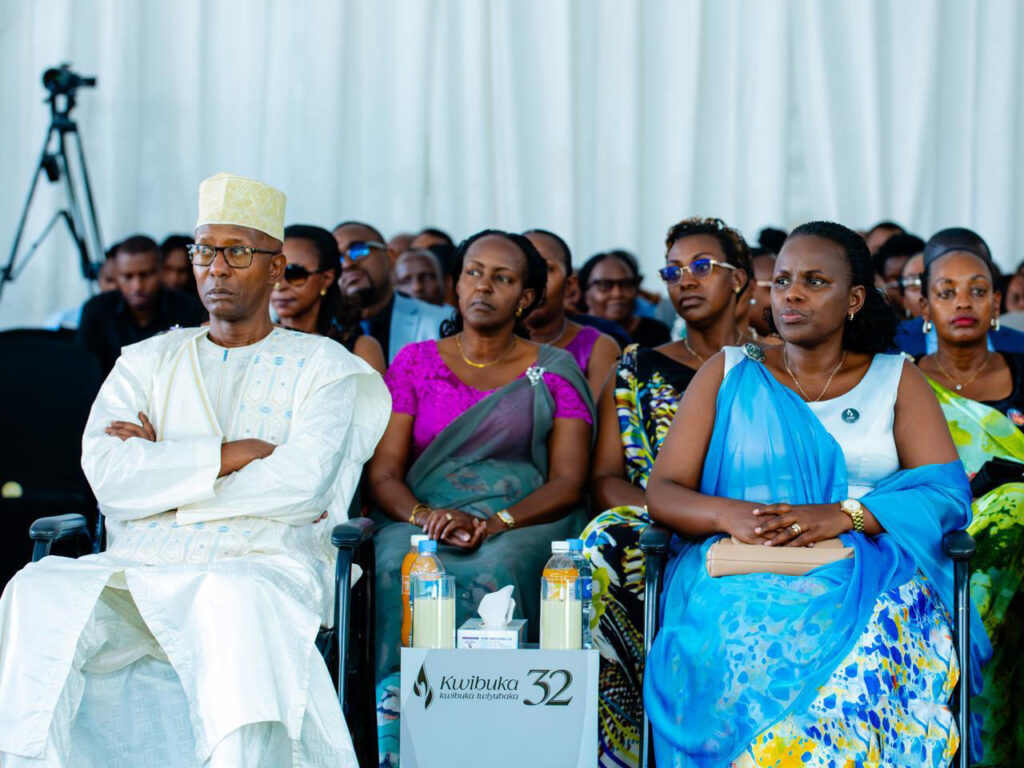
The event brought together senators, members of parliament, relatives of the victims, representatives of the genocide survivors’ organisation IBUKA and other guests to honour the lives of those who were murdered.
Addressing participants, Dr Charity Wibabara, Director General for International Justice and Judicial Cooperation at the Ministry of Justice, said Rwanda continues to face significant obstacles in securing justice for genocide suspects who remain outside the country.
She said that when the Gacaca courts concluded their work in 2012, they transferred more than 71,000 files involving fugitives to the National Public Prosecution Authority for further action.
According to Dr Wibabara, Rwanda later issued 1,199 international arrest requests for suspects whose whereabouts were known, yet only 32 individuals have been extradited to Rwanda.
Apart from suspects transferred by foreign countries and the former International Criminal Tribunal for Rwanda (ICTR) in Arusha, Tanzania, another 31 suspects have been prosecuted abroad, mostly in European countries.
She noted that many African countries have shown little willingness either to prosecute genocide suspects hiding within their territories or to extradite them to Rwanda.
“When these people are not investigated and prosecuted, justice is undermined. The international community has a responsibility to prosecute those suspected of international or other serious crimes, but countries also have responsibilities that many are ignoring,” Dr Wibabara said.
“If people who committed crimes against humanity by killing others because of their ethnicity, nationality, race or religion are not punished, others may believe they can commit such serious crimes without consequences. That creates and strengthens a culture of impunity,” she added.
Senator Prof. Jean Pierre Dusingizemungu, President of the Parliamentary Forum Against Genocide, Genocide Denial and Minimisation (AGPF), said Rwanda still faces challenges in ensuring the history of the Genocide against the Tutsi is adequately taught.
He noted that history receives limited teaching time in teacher training colleges, universities and higher education institutions, while qualified lecturers remain too few.
“Very little time is allocated to teaching the history of the Genocide against the Tutsi in teacher training institutions, universities and higher education. There is also a shortage of history lecturers. Among the eleven higher learning institutions we visited, only three lecturers held PhDs,” he said.
He added: “We still see unequal efforts when it comes to prosecuting and punishing those responsible for the Genocide against the Tutsi.”
Former International Criminal Tribunal for Rwanda prosecutor Me Florida Kabasinga cautioned that hate speech circulating in the Great Lakes region should never be ignored.
She said that hate speech is often the earliest step towards genocide.
“Among all crimes, I believe the one we must pay the greatest attention to and prevent more than any other is hate speech. Without it, genocide would not happen,” she said.
Kabasinga specifically expressed concern over rhetoric targeting the Banyamulenge community.
“As Rwandans, we know where this kind of language leads. We are deeply concerned because we understand its consequences. Does everyone else share the same concern? We do because we know where it is heading,” she said.
Reflecting on the propaganda that preceded the 1994 Genocide against the Tutsi, she added: “I used to hear Radio Rwanda and RTLM saying, ‘Inyenzi Inkotanyi are not human beings. If you meet them, you will find they have tails.’ People actually believed it. When they met Inkotanyi, they looked for those tails and, of course, found none.”
The ceremony also included testimony from Jean Claude Mugenzi, whose brother, Jean Louis Mugenzi, was among the former CND employees murdered during the genocide.
He recounted how his father had faced persecution before 1994 while living in the former Taba Commune, now in Kamonyi District, before eventually being shot dead by soldiers of the former Rwandan Armed Forces (FAR). He also described the hardships he endured while fleeing and hiding from the killers.
IBUKA President Dr Philibert Gakwenzire praised Parliament’s continued involvement in genocide remembrance activities across Rwanda.
“As members of Parliament, you have an important responsibility to preserve the unity of Rwandans and continue preventing divisionism, hatred and genocide ideology,” he said.
Senate President Dr François Xavier Kalinda said division, discrimination and genocide ideology had become deeply embedded in state institutions before 1994, including the Parliament of the First Republic and the former CND under the Second Republic.
He stressed that Rwanda’s governance model, which promotes unity and equal opportunities for all citizens, should remain the country’s guiding principle.
“During this period of remembering the Genocide against the Tutsi, we as members of Parliament must reflect on the role we have in preventing anything that could threaten the unity of Rwandans and the good governance of our country,” Dr Kalinda said.
The commemoration not only honoured the former parliamentary employees who lost their lives during the 1994 Genocide against the Tutsi, but also renewed calls for justice, vigilance against hate speech and continued efforts to safeguard Rwanda’s unity for future generations.
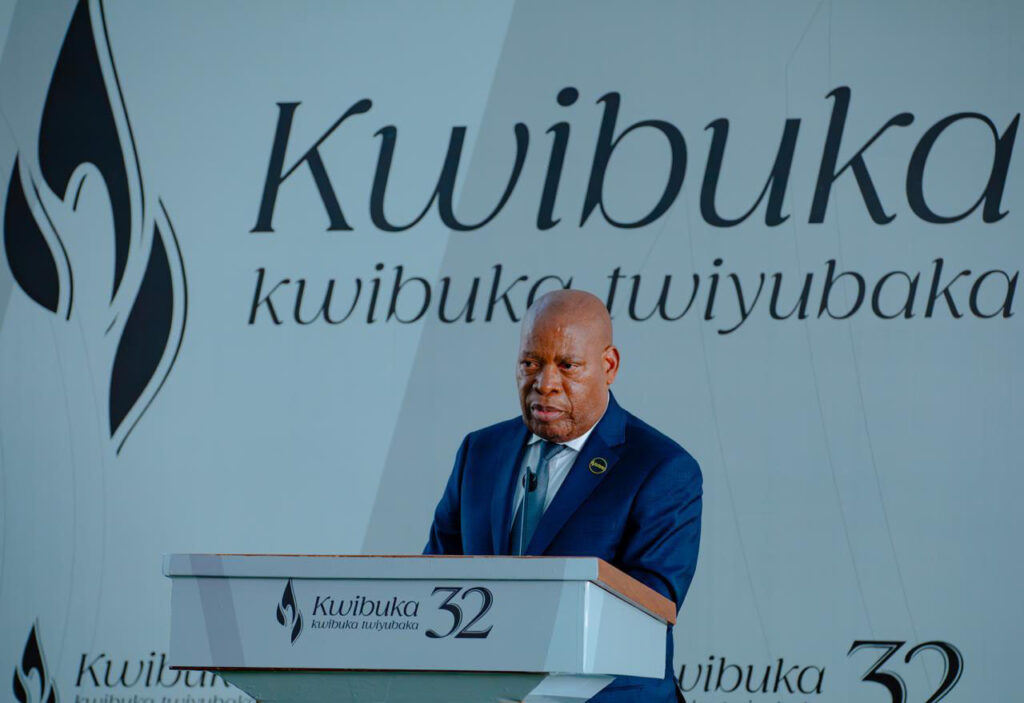

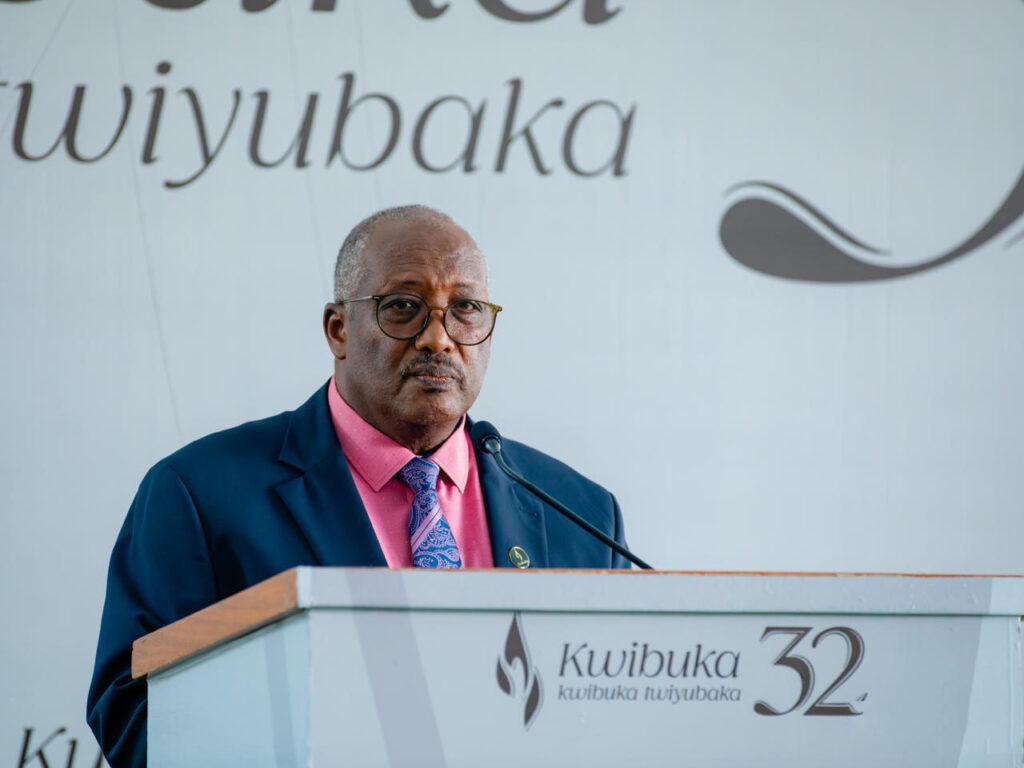

Former ICTR prosecutor Me Florida Kabasinga warns that hate speech remains one of the earliest warning signs of genocide, urging continued vigilance against dangerous rhetoric in the region.